
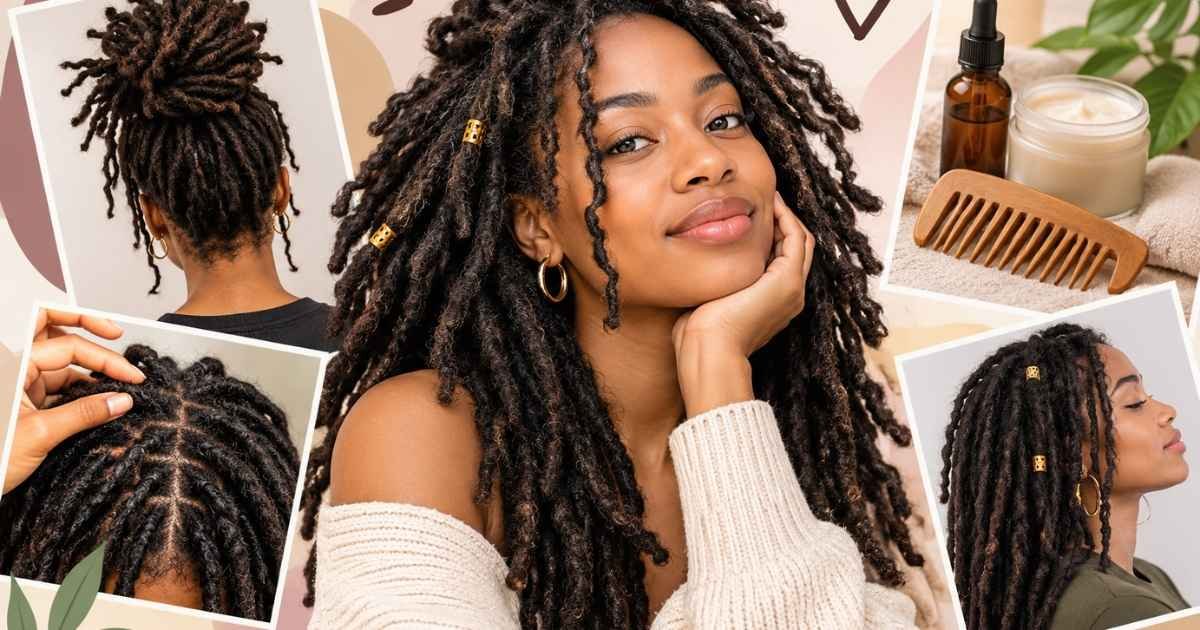
Freeforms Hair offers a beautiful way to embrace your natural texture without following a strict styling routine. Instead of frequent retwisting or artificial shaping, your hair gradually forms individual locs through its natural locking process. This approach celebrates personal style, patience, and healthy hair habits.
Whether you’re considering short freeform dreads or dreaming of long, thick Freeforms Hair locs, understanding the process makes a big difference. Your hair texture, scalp health, washing routine, and daily habits all influence how your locs develop.
The best part? You don’t need complicated styling techniques to begin. With consistent care and a little patience, you can enjoy natural freeform locs that reflect your personality. This guide covers everything from starting your journey to maintaining healthy locs and choosing attractive hairstyles.
What Are Freeforms Hair and How Do They Develop?
Freeforms Hair refers to a natural locing method that allows your hair to develop without regular retwisting or deliberate manipulation. Instead of creating perfectly uniform sections, you let your strands gradually intertwine and form individual locs.
This technique works particularly well with afro-textured hair because its natural curls and coils encourage strands to wrap around each other. However, other textures can develop freeform dreadlocks with suitable care and patience.
How Does the Natural Locking Process Work?
The hair locking process happens gradually as loose strands become tangled and compacted. Over time, these sections develop stronger, more recognizable loc structures.
Here’s how Freeforms Hair typically develops:
- Natural separation: Your hair begins forming different sections without artificial parting.
- Early tangling: Individual strands intertwine as your hair grows.
- Loc formation: Tangled sections gradually become more compact and recognizable.
- Thickening stage: Your developing locs gain structure and volume.
- Mature locs: Your sections become firmer and develop their individual shapes.
Different Types of Freeform Locs
| Loc Type | Main Characteristics |
| Traditional freeforms | Naturally formed locs without regular retwisting |
| Semi-freeform locs | Natural growth with occasional separation |
| Short freeform dreads | Compact locs suited to shorter hair |
| Thick freeform locs | Fuller sections with noticeable volume |
| Long freeform locs | Extended locs developed through years of growth |
Unlike traditional locs, natural freeform locs don’t require perfectly maintained parts. Their beauty comes from natural variation and individual character.
Benefits of Choosing a Natural Freeform Loc Journey
Choosing Freeforms Hair means embracing your natural texture while reducing the need for frequent styling appointments. It’s a practical option for people who prefer simple hair care and expressive hairstyles.
Here are some benefits worth considering.
1. Less Frequent Styling
Freeform locs don’t require regular retwisting to maintain their natural appearance.
- Spend less time manipulating your hair.
- Avoid frequent salon appointments.
- Enjoy a simpler everyday hair routine.
- Allow your natural texture to develop freely.
2. Supports Natural Hair Habits
A natural freeform loc journey encourages healthier relationships with your hair.
Instead of constantly changing your hairstyle, you focus on:
- Gentle scalp cleansing.
- Consistent moisturizing.
- Preventing unnecessary breakage.
- Maintaining healthy hair growth habits.
3. Celebrates Your Natural Texture
Your natural curl pattern plays an important role in loc formation. Freeform dreadlocks allow your afro-textured hair to develop without forcing uniform shapes.
4. Offers Unique Hairstyles
No two freeform loc journeys look exactly alike. Your loc thickness, length, and formation patterns create a distinctive appearance.
5. Reduces Manipulation
Frequent twisting and tight styling can stress your roots. Freeforms Hair generally involves less manipulation, although proper scalp care remains essential.
6. Encourages Personal Expression
Your locs gradually become part of your individual style. You can wear them naturally, accessorize them, or experiment with different arrangements.
How to Start Freeforms Hair as a Beginner

Starting Freeforms Hair doesn’t require expensive equipment or complicated techniques. You mainly need clean hair, patience, and a consistent care routine.
If you’re wondering how to get freeform dreads naturally, these beginner-friendly steps provide a helpful starting point.
Step 1: Start With Clean Hair
Wash your hair with a gentle shampoo to remove dirt, sweat, and product residue.
Clean hair creates a better foundation for natural locking.
Step 2: Understand Your Natural Texture
Your curl pattern influences how your locs develop. Tighter coils often encourage faster tangling, while looser textures may need more time.
Step 3: Stop Frequent Manipulation
Avoid constantly combing, twisting, or reshaping your hair. Allow individual sections to develop naturally.
Step 4: Encourage Natural Separation
Let your hair form its own sections. However, gently separate unwanted root tangles when necessary to prevent excessive matting.
Step 5: Follow a Consistent Washing Routine
Clean your scalp regularly without aggressively disturbing developing locs.
Step 6: Keep Your Hair Hydrated
Use lightweight moisturizing products to prevent dryness. Focus on maintaining scalp comfort and healthy hair texture.
Step 7: Give Your Hair Time
Your first few months may look uneven or messy. That’s completely normal during early loc formation.
Beginner tip: Take monthly pictures of your Freeforms Hair journey. Comparing photographs helps you notice changes that happen gradually.
Best Hair Types for Growing Freeform Locs
Almost anyone can experiment with Freeforms Hair. However, certain textures naturally encourage easier loc formation because their strands curl, coil, and intertwine more readily.
Understanding your hair type helps you set realistic expectations.
1. Type 4 Hair
Type 4 hair includes tightly coiled and kinky textures.
- Creates natural tangles relatively easily.
- Often develops compact loc structures.
- Can produce thick freeform locs.
- Requires consistent hydration to prevent dryness.
2. Type 3 Hair
Type 3 hair features defined curls ranging from loose spirals to tighter ringlets.
- Can develop natural dreadlocks.
- May require additional time for loc formation.
- Benefits from lightweight moisturizing products.
- Often produces textured and irregular loc patterns.
3. Type 2 Hair
Type 2 hair has loose waves rather than tight curls.
- Can develop freeform dreadlocks with patience.
- May require longer locking periods.
- Often produces softer, less compact loc structures.
Hair Texture Comparison
| Hair Type | Natural Texture | Freeform Loc Formation |
| 2A–2C | Loose to defined waves | Usually slower |
| 3A–3C | Curly and spiral | Moderate |
| 4A | Small, defined coils | Often easier |
| 4B | Tight zigzag coils | Often easier |
| 4C | Very tight coils | Often easier |
Remember, hair porosity, density, strand thickness, and individual care habits also influence your results.
How to Wash Freeforms Hair Without Losing Progress
Washing Freeforms Hair regularly helps remove sweat, dirt, excess oil, and scalp buildup. Skipping shampoo for too long can create unpleasant odors and affect scalp health.
The trick is choosing a gentle washing method that cleans your scalp without unnecessary manipulation.
Step-by-Step Washing Routine
- Wet your hair: Use lukewarm water to saturate your locs and scalp.
- Apply shampoo: Choose a gentle, residue-free shampoo designed for textured hair or locs.
- Clean your scalp: Massage gently using your fingertips rather than scratching.
- Wash your locs: Allow the shampoo to move through your hair naturally.
- Rinse thoroughly: Remove all shampoo to prevent product buildup.
- Squeeze excess water: Gently press your locs without pulling or rubbing.
- Dry completely: Allow sufficient drying time before covering your hair.
How Often Should You Wash Freeform Locs?
Most people benefit from washing their locs every one to two weeks. However, your schedule should reflect your scalp condition, activity level, and product use.
| Situation | Suggested Washing Frequency |
| Normal scalp | Every 1–2 weeks |
| Sweaty lifestyle | As needed, sometimes more frequently |
| Oily scalp | Adjust according to buildup |
| Dry scalp | Use a gentle, comfortable schedule |
| Heavy product use | Wash when residue accumulates |
Important: Never leave thick or mature locs damp for extended periods. Proper drying helps prevent musty odors and unwanted moisture problems.
Best Moisturizing Tips for Healthy Freeform Locs
Dryness can make Freeforms Hair feel rough and increase the risk of breakage. Although locs don’t need heavy styling products, they still benefit from regular hydration.
A simple moisturizing routine keeps your hair comfortable while supporting healthy length retention.
1. Use Water-Based Moisturizers
Water helps hydrate natural hair and improves softness.
Look for lightweight sprays containing:
- Water or aloe vera.
- Glycerin.
- Lightweight conditioning ingredients.
- Suitable botanical extracts.
2. Apply Natural Oils Carefully
Natural oils help soften hair and reduce moisture loss. However, oil doesn’t replace water-based hydration.
Consider these lightweight options:
| Oil | Potential Hair Benefits |
| Jojoba oil | Helps soften hair and scalp |
| Argan oil | Adds softness and shine |
| Grapeseed oil | Lightweight conditioning |
| Coconut oil | Helps reduce protein loss in some hair types |
| Sweet almond oil | Provides conditioning and softness |
3. Avoid Heavy Product Buildup
Thick creams and excessive oils can collect inside locs.
Choose lightweight products and apply small amounts instead.
4. Pay Attention to Your Scalp
A healthy scalp supports comfortable hair growth. Avoid excessive scratching, harsh cleansers, and irritating products.
5. Adjust Moisturizing to Your Hair Porosity
Your hair porosity affects how quickly your strands absorb and lose moisture.
- Low porosity: Choose lightweight products and avoid heavy buildup.
- Medium porosity: Maintain a balanced hydration routine.
- High porosity: Use suitable conditioning products to help retain moisture.
Quick tip: Learning how to moisturize freeform locs properly can make your hair feel softer without creating unnecessary residue.
How to Maintain Freeforms Hair Without Retwisting

One of the biggest attractions of Freeforms Hair is the freedom from regular retwisting. However, low manipulation doesn’t mean completely ignoring your hair.
Good maintenance keeps your locs comfortable, clean, and healthy as they mature.
Essential Maintenance Habits
1. Separate Excessive Root Tangling
Your roots may naturally connect as new hair grows. Gently separate unwanted connections when they become uncomfortable or overly tight.
2. Maintain Scalp Cleanliness
Wash regularly to remove sweat, dirt, dead skin cells, and product residue.
3. Avoid Excessive Styling
Constant pulling, tight ponytails, and heavy accessories can stress your roots.
4. Monitor Your Loc Development
Check your hair occasionally for unusual thinning, buildup, or excessive tangling.
5. Remove Visible Lint
Use clean hands and gentle techniques to remove accessible lint. Avoid digging into locs with sharp tools.
Freeform vs. Semi-Freeform Maintenance
| Feature | Full Freeform | Semi-Freeform |
| Retwisting | Generally avoided | Occasional |
| Hair separation | Mostly natural | Sometimes intentional |
| Parting | Irregular | More controlled |
| Appearance | Organic and varied | More organized |
| Maintenance | Minimal manipulation | Moderate manipulation |
If you enjoy natural texture but prefer slightly organized sections, semi-freeform locs might suit your preferences.
MUST READ: 1B Hair Men: Complete Guide to Hairstyles, Haircuts, Styling, and Care
Common Mistakes to Avoid During Freeform Growth
Growing Freeforms Hair takes patience. Unfortunately, a few common mistakes can create unnecessary problems during the locking process.
Avoid these habits to protect your scalp and developing locs.
1. Washing Too Infrequently
Avoid skipping scalp cleansing because you fear disturbing your locs. Regular washing supports cleanliness and comfort.
2. Using Too Much Oil
Excessive oil can attract dirt and create buildup inside developing locs.
3. Constantly Touching Your Hair
Repeated pulling and separating can interrupt natural loc formation.
4. Ignoring Root Tangles
Unwanted connections between neighboring locs can become difficult to separate. Check your roots occasionally.
5. Sleeping Without Hair Protection
Cotton pillowcases can create friction and contribute to dryness or lint accumulation.
6. Expecting Instant Results
Natural dreadlocks develop gradually. Comparing your early progress with someone else’s mature locs creates unrealistic expectations.
7. Leaving Locs Wet
Damp locs can develop unpleasant odors. Always allow sufficient drying time.
8. Applying Heavy Styling Products
Thick waxes, gels, and creams may leave stubborn residue. Keep your routine simple.
9. Ignoring Hair Breakage
Excessive dryness, rough handling, and tight hairstyles can damage your strands. Address breakage early.
Best Products for Healthy Freeforms Hair
Choosing the best products for freeform locs doesn’t mean filling your bathroom with expensive treatments. A few carefully selected products can support cleanliness, hydration, and scalp comfort.
1. Residue-Free Shampoo
A gentle shampoo removes dirt without leaving excessive buildup.
Look for formulas that:
- Clean your scalp effectively.
- Rinse out easily.
- Avoid heavy conditioning residue.
- Suit your hair and scalp needs.
2. Lightweight Moisturizing Spray
Water-based sprays help maintain hair hydration between washes.
Choose products with simple ingredients and avoid excessive fragrance if your scalp feels sensitive.
3. Natural Conditioning Oils
Lightweight oils can soften your locs and improve their appearance.
Jojoba, argan, and grapeseed oils are popular choices.
4. Aloe Vera Products
Aloe-based products can provide lightweight conditioning. Check the ingredient list and choose formulas without unnecessary heavy additives.
5. Satin or Silk Hair Accessories
Satin bonnets and scarves help reduce nighttime friction.
They also make it easier to protect freeform locs while sleeping.
Product Selection Guide
| Product | Main Purpose | Usage |
| Gentle shampoo | Scalp cleansing | Regular washing |
| Moisturizing spray | Hair hydration | As needed |
| Jojoba oil | Lightweight conditioning | Small amounts |
| Aloe vera spray | Hydration and softness | According to product directions |
| Satin bonnet | Friction reduction | Every night |
| Microfiber towel | Gentle drying | After washing |
Avoid products that leave visible residue or make your locs feel unusually heavy.
How Long Does It Take for Freeform Locs to Grow?
Patience is essential when growing Freeforms Hair. Your locs need time to tangle, compact, and develop their natural structure.
Some people notice early changes within months. Others need considerably longer before their locs look mature.
Freeform Loc Growth Timeline
| Growth Stage | Approximate Timeline | What Happens |
| Beginning | 0–3 months | Natural tangling starts |
| Early formation | 3–6 months | Small sections become noticeable |
| Developing locs | 6–12 months | Locs gain texture and structure |
| Maturing stage | 1–2 years | Sections become more established |
| Mature stage | 2–3+ years | Locs develop individual shapes |
These timelines are estimates rather than guarantees. Hair texture, washing habits, manipulation, and individual growth patterns influence development.
What Affects Freeform Hair Growth?
Several factors determine how quickly your hair develops:
- Hair texture: Tighter curls often encourage easier tangling.
- Hair thickness: Strand thickness influences loc appearance.
- Hair porosity: Affects moisture retention.
- Scalp health: Supports a healthy environment for hair growth.
- Genetics: Influences your natural hair growth rate.
- Daily habits: Gentle handling helps prevent unnecessary breakage.
Can Freeform Locs Grow Long?
Absolutely! Freeform locs can grow long when you maintain healthy hair habits and protect your strands.
Remember that shrinkage can make your hair appear shorter than its actual length. Length retention also depends on preventing breakage rather than simply encouraging growth.
Freeforms Hair Styles for Men and Women
Freeforms Hair offers plenty of styling possibilities for different personalities and hair lengths. You can keep your locs loose, add accessories, or create simple protective hairstyles.
Whether you prefer a relaxed appearance or something more polished, natural freeform locs offer flexibility.
Popular Freeform Hairstyles for Men
1. Short Freeform Dreads
Short locs create a relaxed appearance with natural texture and volume.
2. Medium-Length Freeforms
Medium locs provide more styling flexibility while maintaining an effortless look.
3. Thick Freeform Locs
Thicker sections create a bold appearance with plenty of natural character.
4. Freeform Locs With a Taper
A clean taper around the sides creates contrast while preserving natural locs on top.
5. Long Freeform Locs
Long locs offer a distinctive appearance and can be worn loose or gathered.
Popular Freeform Hairstyles for Women
1. Loose Natural Freeform Locs
Wear your locs down to highlight their texture and natural movement.
2. Freeform Locs Half-Up Style
Gather the upper sections while allowing the remaining locs to hang naturally.
3. High Freeform Bun
A loose bun creates an elegant hairstyle for everyday activities.
4. Freeform Locs With Accessories
Decorative cuffs and lightweight accessories add personality without complicated styling.
5. Long Freeform Locs
Long locs look beautiful when worn naturally or arranged into simple updos.
Hairstyle Comparison
| Hairstyle | Best For | Overall Look |
| Short freeforms | Men and women | Relaxed and casual |
| Tapered freeforms | Men | Clean and modern |
| Half-up locs | Women | Stylish and effortless |
| High loc bun | Women | Elegant and practical |
| Thick freeform locs | Everyone | Bold and textured |
| Long freeform locs | Everyone | Natural and expressive |
Women can absolutely enjoy Freeforms Hair. The technique isn’t limited by gender or a particular hairstyle preference.
How to Protect Freeform Locs While Sleeping

Your nighttime routine matters more than you might think. Pillow friction can contribute to dryness, lint accumulation, and unnecessary hair breakage.
Fortunately, protecting Freeforms Hair while sleeping takes only a few simple steps.
1. Wear a Satin Bonnet
A satin bonnet helps reduce friction between your locs and pillowcase.
Choose a comfortable size that covers your entire hairstyle.
2. Use a Satin Pillowcase
If you don’t enjoy wearing bonnets, consider a satin pillowcase instead.
It provides a smoother surface and helps reduce friction.
3. Avoid Tight Hairstyles
Never pull your locs into tight ponytails before sleeping. Excessive tension can stress your roots.
4. Keep Your Hair Dry
Always make sure your locs have dried completely after washing or moisturizing.
5. Choose Comfortable Accessories
Use soft hair ties or loose wraps when gathering longer locs.
Nighttime Protection Checklist
- Wear a clean satin or silk bonnet.
- Keep your scalp comfortable and hydrated.
- Avoid sleeping with wet locs.
- Replace rough pillowcases with satin alternatives.
- Remove tight accessories before bedtime.
- Keep your sleeping area clean.
These small habits help preserve your freeform hair journey while supporting better length retention.
Expert Tips for Healthy and Natural Freeform Growth
Healthy Freeforms Hair depends on consistency rather than complicated treatments. Your daily habits influence scalp comfort, hair strength, and long-term loc development.
Follow these practical tips to support your natural freeform loc journey.
1. Prioritize Scalp Health
A clean and comfortable scalp creates a better foundation for healthy hair. Wash away sweat, dirt, and excess product residue regularly.
2. Maintain Consistent Hydration
Use lightweight moisturizing products to prevent excessive dryness. Adjust your routine according to your hair porosity and scalp needs.
3. Avoid Unnecessary Manipulation
Let your locs develop naturally without constant twisting or pulling. Gentle handling supports hair breakage prevention.
4. Monitor Your Hair Growth Stages
Take photographs every few months to observe changes in thickness, length, and loc formation.
5. Keep Your Locs Separated
Check your roots for unwanted connections. Gentle loc separation can prevent neighboring sections from merging excessively.
6. Choose Suitable Hair Care Products
Avoid heavy waxes and products that leave stubborn residue. Simple natural hair care products often work well.
7. Protect Your Hair From Friction
Wear satin accessories and avoid hairstyles that place unnecessary tension on your roots.
8. Pay Attention to Your Diet
A balanced diet provides nutrients that support normal hair growth. Include protein-rich foods, fruits, vegetables, and healthy fats.
9. Remove Lint Carefully
Inspect your locs occasionally and remove visible lint gently. Avoid sharp tools that can damage individual strands.
10. Be Patient With Your Results
Your locs won’t develop overnight. Give your natural hair enough time to form its own texture and structure.
Healthy Freeform Hair Routine
| Routine | Recommended Habit |
| Daily | Check scalp comfort and hair hydration |
| Weekly | Wash according to scalp needs |
| After washing | Dry locs completely |
| Every few weeks | Inspect roots and remove unwanted tangles |
| Monthly | Check hair condition and progress |
| Every few months | Photograph your freeform growth |
Consistency makes the biggest difference. When you combine gentle maintenance with healthy habits, your locs have a better chance of developing comfortably.
Frequently Asked Questions About Freeforms Hair
How Can Beginners Start Natural Dreadlocks?
Start with clean hair, avoid frequent manipulation, and let natural Freeforms Hair develop gradually with consistent care.
Which Hair Products Support Healthy Loc Formation?
Lightweight moisturizers, gentle shampoos, and natural oils help Freeforms Hair stay hydrated, clean, and healthy.
How Can You Prevent Breakage During Loc Growth?
Maintain hydration, avoid tight hairstyles, and handle Freeforms Hair gently to protect strands from unnecessary breakage.
How Often Should Natural Locs Receive Proper Washing?
Wash according to scalp needs, usually every one to two weeks, keeping Freeforms Hair clean.
Can Natural Locs Develop Into Long Hairstyles?
Yes, consistent hydration, gentle maintenance, and patience help Freeforms Hair develop into beautiful, longer natural hairstyles.
Conclusion
Freeforms Hair offers a refreshing way to celebrate natural texture without following demanding styling routines. Whether you prefer short freeform dreads, thick natural locs, or longer hairstyles, the journey allows your hair to develop its own character. The secret lies in consistent cleansing, proper hydration, gentle maintenance, and patience throughout every growth stage.
Remember that healthy locs need attention even when you avoid regular retwisting. Choose suitable products, protect your hair while sleeping, and monitor your scalp for unwanted buildup or irritation. Most importantly, don’t compare your progress with someone else’s results. Every natural freeform loc journey develops differently. With healthy habits and realistic expectations, you can enjoy beautiful, comfortable locs that reflect your personality and celebrate your natural hair texture.

HairVist is a helpful destination for hair care tips, hairstyle ideas, and beauty inspiration, managed by Ava Reynolds, an SEO content writer with 2 years of experience, focused on creating simple, useful, and engaging content that helps readers learn more about hair care and styling.
1 thought on “Freeforms Hair: A Complete Guide to Natural Locs, Growth, Care, and Hairstyles”