

Have you noticed a receding hairline or thinner hair and wondered what causes it? Does High Testosterone Cause Hair Loss? The answer depends on several factors, including genetics, hormone levels, and hair follicle sensitivity. Testosterone plays an important role in your body, but its connection to hair loss isn’t always straightforward. Dihydrotestosterone (DHT), a hormone made from testosterone, can shrink sensitive hair follicles and contribute to male pattern baldness. However, normal testosterone levels can also accompany genetic hair loss.
Understanding Does High Testosterone Cause Hair Loss? can help you recognize possible warning signs and choose suitable hair loss treatment options. Hormonal hair loss, DHT sensitivity, and androgenetic alopecia may affect hair growth differently in each person. Women can experience female pattern hair loss, too, especially when hormonal changes or excess androgen levels play a role. With the right diagnosis, you can explore treatments such as minoxidil and finasteride. Learning how testosterone and hair loss connect helps you make informed decisions about healthier hair.
What Is the Link Between Testosterone and Hair Loss?
Your hormones influence hair growth more than you might think. However, testosterone and hair loss have a more complicated relationship than simply having too much testosterone in your body. Genetics, hormone sensitivity, and the way your hair follicles respond to androgens all play important roles.
Testosterone is a hormone that supports several essential functions, including muscle development, reproductive health, and body hair growth. Your body also converts some testosterone into dihydrotestosterone (DHT), a more potent androgen that can affect scalp hair follicles.
For people with a genetic predisposition to androgenetic alopecia, DHT can gradually shrink susceptible hair follicles. As a result, their hair becomes finer, shorter, and less dense over time.
The important point: High testosterone doesn’t automatically cause baldness. Some people with normal testosterone levels experience significant hair loss because their follicles have a strong genetic sensitivity to DHT.
Does High Testosterone Cause Hair Loss? So Understanding this connection can help you recognize possible hair thinning causes and choose appropriate hair loss treatment options.
How testosterone affects hair growth
- Testosterone: Supports normal body functions and contributes to androgen-related hair growth.
- Dihydrotestosterone (DHT): Can shrink genetically susceptible scalp hair follicles.
- Hair follicle sensitivity: Determines how strongly individual follicles respond to DHT.
- Genetics: Influences whether you’re more likely to develop male pattern baldness or female pattern hair loss.
- Hormonal changes: Can affect the hair growth cycle, although not every hormone fluctuation causes permanent hair loss.
The relationship between testosterone and hair loss depends on these factors working together. That’s why two people with similar hormone levels can have very different hair density.
Does High Testosterone Really Cause Hair Loss?
High testosterone can contribute to hair loss, but elevated levels aren’t necessary for it to happen. In many cases, genetic sensitivity to DHT matters more than the amount of testosterone circulating in your blood.
Male pattern baldness and female pattern hair loss commonly fall under androgenetic alopecia, a hereditary condition involving sensitivity to androgen hormones. Although the patterns differ between men and women, both can experience progressive scalp hair thinning.
Does High Testosterone Cause Hair Loss? So If you’re noticing a receding hairline, thinner temples, or reduced hair density around your crown, testosterone might be part of the picture. However, other conditions can produce similar symptoms.
What research and biology suggest
- Normal testosterone levels: Hair loss can develop when susceptible follicles respond strongly to DHT.
- High testosterone levels: Elevated androgens may contribute to thinning in some people, particularly when other hormonal symptoms are present.
- Genetic hair loss: Inherited follicle sensitivity often plays a central role in androgenetic alopecia.
- Hormone imbalance and hair loss: Thyroid disorders, certain reproductive conditions, and other hormonal changes may affect shedding.
- Testosterone replacement therapy hair loss: Some people experience accelerated androgenetic hair loss after starting testosterone replacement therapy (TRT).
Does High Testosterone Cause Hair Loss? So It’s also important to distinguish ordinary shedding from progressive follicle miniaturization. You might lose more hair temporarily because of stress, illness, or nutritional deficiencies without having androgen-related baldness.
Remember: A high testosterone result alone cannot confirm the cause of your hair loss. A dermatologist can evaluate your scalp, medical history, symptoms, and medication use to help determine what’s happening.
How DHT Affects Hair Follicles

DHT is one of the most important hormones to understand when investigating androgen-related hair loss. Your body produces it through the action of the 5-alpha reductase enzyme, which converts testosterone into DHT.
DHT binds to androgen receptors in various tissues, including certain scalp hair follicles. In genetically susceptible areas, this interaction can gradually shorten the hair growth cycle and reduce the size of individual follicles.
Does High Testosterone Cause Hair Loss? So This process is called hair follicle miniaturization. Over time, thick terminal hairs may become thinner, shorter, and less noticeable.
What happens when DHT affects your scalp?
1. DHT binds to susceptible follicles
DHT interacts with androgen receptors in genetically sensitive scalp tissue.
2. The hair growth cycle changes
The anagen phase, when hair actively grows, may become shorter with successive cycles.
3. Hair becomes finer
Affected follicles produce progressively thinner hairs that provide less scalp coverage.
4. Visible thinning develops
As more follicles miniaturize, you may notice a receding hairline, crown hair thinning, or reduced density.
Not every follicle responds to DHT in the same way. Hair follicles at the back and sides of the scalp often resist androgen-related miniaturization better than susceptible follicles near the temples and crown.
Does high DHT always mean more hair loss?
Does High Testosterone Cause Hair Loss? So No. Blood DHT levels don’t reliably predict how quickly someone will lose scalp hair. Local hormone activity, androgen receptor sensitivity, and genetic predisposition also matter.
This explains why Does High Testosterone Cause Hair Loss doesn’t have a simple yes-or-no answer. Testosterone levels and baldness don’t follow the same pattern in everyone.
Signs of Hormone-Related Hair Loss
Hormonal hair loss often develops gradually, although some conditions cause sudden or noticeable shedding. Recognizing the pattern can help you decide when to seek a professional hair loss diagnosis.
If you’re concerned about Does High Testosterone Cause Hair Loss, pay attention to changes in your hair density, shedding pattern, and other physical symptoms.
Common signs to watch for
- Receding hairline: The hairline gradually moves backward, particularly around the temples.
- Crown hair thinning: Hair becomes noticeably thinner around the top or back of the head.
- Widening hair part: The scalp becomes more visible along your usual part, a common sign of female pattern hair loss.
- Receding temples: The corners of your hairline become thinner over time.
- Smaller, finer hairs: Individual strands lose thickness as susceptible follicles gradually shrink.
- Reduced overall density: Your scalp becomes more visible under bright lighting or when your hair is wet.
- Persistent shedding: You notice more hair falling out during washing, brushing, or styling.
Can other symptoms point to a hormone imbalance?
Sometimes. Excess androgen levels may cause additional symptoms, particularly in women. These can include acne, increased facial hair, irregular menstrual periods, or scalp hair thinning.
However, these symptoms don’t automatically prove that testosterone is responsible. Polycystic ovary syndrome (PCOS), thyroid problems, and other conditions may cause overlapping symptoms.
Does High Testosterone Cause Hair Loss? So If your hair loss appears alongside several hormonal changes, a medical evaluation can help identify the underlying cause.
High Testosterone and Hair Loss in Men
For men, testosterone and hair loss often become connected through androgenetic alopecia. However, male pattern baldness usually reflects a combination of inherited susceptibility and DHT activity rather than testosterone levels alone.
Does High Testosterone Cause Hair Loss? So You can have normal testosterone and still develop a receding hairline in your twenties, thirties, or later. Conversely, some men with higher testosterone maintain thick scalp hair well into adulthood.
Why men develop male pattern baldness
Several factors can contribute to progressive hair thinning:
- Genetic predisposition: Family history influences your likelihood of developing androgenetic alopecia.
- DHT sensitivity: Susceptible follicles respond to DHT by gradually becoming smaller.
- Hairline changes: Thinning commonly begins at the temples or front hairline.
- Crown thinning: Hair density may decrease around the crown, sometimes before the hairline changes significantly.
- Testosterone replacement therapy (TRT): Treatment may accelerate existing genetic hair loss in susceptible men.
Does more testosterone mean faster baldness?
Not necessarily. A man with high testosterone may retain his hair if his follicles are relatively resistant to DHT. Someone with ordinary hormone levels may develop pronounced baldness because his follicles are more sensitive.
If you’re taking testosterone replacement therapy, discuss any new hair thinning with your prescribing clinician. Don’t stop or change prescribed treatment without medical guidance.
Does High Testosterone Cause Hair Loss in every man? No. The outcome depends on individual biology, genetics, androgen activity, and other possible causes of hair loss.
High Testosterone and Hair Thinning in Women
Women also produce testosterone, although their typical levels are lower than men’s. This hormone contributes to normal reproductive and other bodily functions. Problems may arise when androgen activity increases or when hair follicles become particularly sensitive to androgens.
Female pattern hair loss usually appears differently from male pattern baldness. Instead of developing a completely bald crown or a strongly receding hairline, many women notice gradual thinning across the top of the scalp or a widening hair part.
How high testosterone may affect women’s hair
- Excess androgen levels: Higher-than-expected androgen activity can contribute to scalp hair thinning in susceptible women.
- PCOS: Polycystic ovary syndrome may involve elevated androgens, irregular periods, acne, and unwanted facial hair.
- Genetic sensitivity: Women can develop androgenetic alopecia even without unusually high testosterone levels.
- Hormonal changes: Menstrual changes, pregnancy, and menopause can affect hair growth patterns, although their effects differ.
- Other medical conditions: Thyroid disorders, iron deficiency, and certain medications can cause similar symptoms.
When should women check their hormone levels?
Consider a medical evaluation if hair thinning develops alongside irregular periods, persistent acne, increased facial hair, or other signs of androgen excess.
A clinician may recommend a hormone blood test based on your symptoms and medical history. Depending on the situation, testing may include testosterone and other relevant hormones.
Does High Testosterone Cause Hair Loss in women? It can contribute, especially when androgen excess or follicle sensitivity is involved. However, female pattern hair loss has several possible causes, so proper evaluation matters.
More info: 21 Stunning Blonde Balayage on Dark Brown Hair Ideas
Can Normal Testosterone Levels Cause Hair Loss?
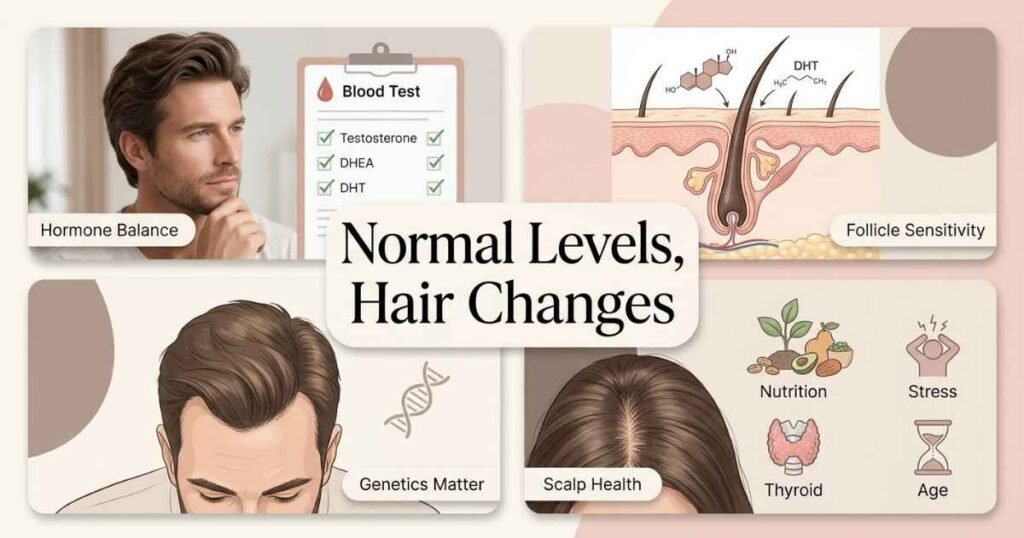
Yes. You can experience androgenetic alopecia even when your testosterone levels fall within the normal range. This is because blood hormone levels don’t tell the whole story about what’s happening inside your scalp.
Your hair follicles have individual sensitivities to androgens. If your follicles respond strongly to DHT, they may gradually miniaturize despite normal circulating testosterone.
This is one reason Does High Testosterone Cause Hair Loss isn’t the only question worth asking. Sometimes, the more useful question is whether your follicles are genetically sensitive to DHT.
Why hair loss happens with normal hormone levels
- Sensitive androgen receptors: Follicles may respond strongly to DHT even at typical hormone levels.
- Local DHT production: Enzyme activity within scalp tissue influences local androgen exposure.
- Inherited hair loss: Family history can increase your risk of progressive thinning.
- Age-related changes: Hair density and growth patterns may change as you get older.
- Other underlying conditions: Thyroid disorders, nutritional deficiencies, stress, and certain illnesses can trigger shedding.
Should you get your testosterone tested?
Not everyone with hair loss needs hormone testing. If you have a typical pattern of genetic hair loss without other symptoms, your dermatologist may diagnose androgenetic alopecia through a scalp examination and medical history.
Does High Testosterone Cause Hair Loss? So Testing becomes more useful when your symptoms suggest a hormonal disorder. Your clinician can decide whether testosterone measurements or other investigations would help.
Other Common Causes of Hair Loss
Although hormones can influence scalp hair, they aren’t responsible for every case. Hair loss treatment works best when it addresses the actual cause instead of assuming testosterone is the problem.
If you’re wondering, Does High Testosterone Cause Hair Loss, consider other explanations before focusing entirely on hormone levels.
| Cause | Common signs or clues |
| Genetic hair loss | Gradual thinning around the temples, hairline, crown, or part |
| Telogen effluvium | Increased shedding after illness, surgery, stress, or another physical trigger |
| Thyroid disorders | Diffuse thinning alongside possible changes in energy, weight, or temperature tolerance |
| Iron deficiency | Hair shedding that may occur with fatigue or other symptoms of low iron |
| Nutritional deficiencies | Hair changes associated with inadequate nutrition or specific nutrient deficiencies |
| Alopecia areata | Sudden, smooth, round patches of hair loss |
| Scalp conditions | Itching, scaling, inflammation, or sometimes scarring |
| Medication effects | Hair loss that begins after starting certain medicines or changing treatment |
| Traction alopecia | Hairline thinning caused by repeated pulling from tight hairstyles |
How stress and illness affect hair growth
Physical or emotional stress can push more hair follicles into the resting phase of the hair growth cycle. This condition, called telogen effluvium, often causes noticeable shedding several weeks or months after the trigger.
Does High Testosterone Cause Hair Loss? So In many cases, hair growth improves after the underlying cause resolves. However, persistent shedding deserves medical attention because more than one condition may be involved.
Could a hormone imbalance be the real issue?
Yes, but you shouldn’t assume every hormonal symptom points to testosterone. Thyroid hormones, reproductive hormones, nutritional status, and other health factors can influence hair growth.
Does High Testosterone Cause Hair Loss, or is another condition responsible? A proper assessment can help distinguish androgenetic alopecia from temporary shedding and other scalp disorders.
How to Know if Hormones Cause Hair Loss
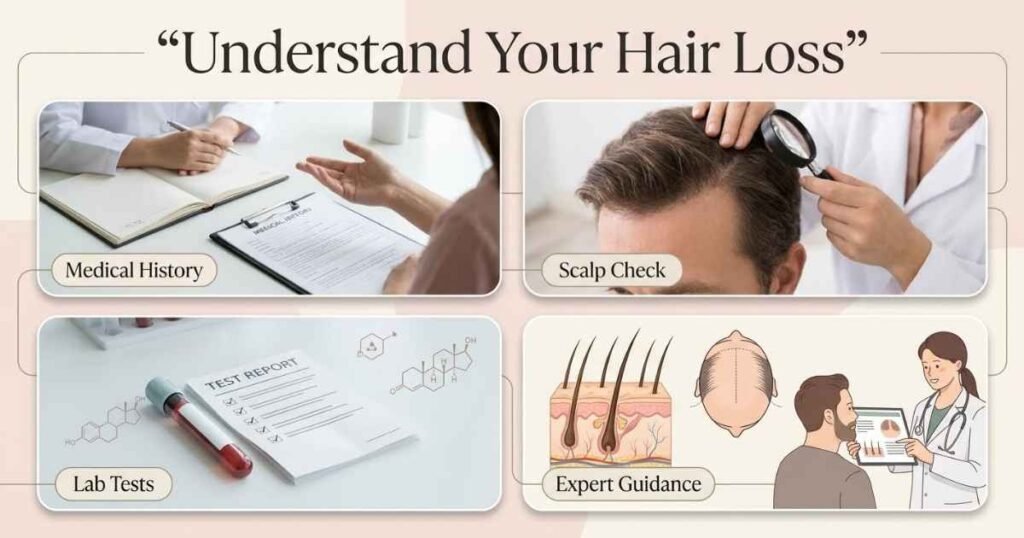
You can’t reliably identify hormonal hair loss by looking at your hair alone. The pattern provides useful clues, but a proper diagnosis may require a medical history, scalp examination, and selected laboratory tests.
If you suspect Does High Testosterone Cause Hair Loss applies to your situation, start by tracking your symptoms and discussing them with a qualified healthcare professional.
What a hair loss diagnosis may involve
1. Medical history
Your clinician may ask about family history, recent illness, stress, medications, diet, and when the shedding began.
2. Scalp examination
A dermatologist checks the hairline, crown, scalp condition, and signs of follicle miniaturization.
3. Blood tests when appropriate
A hormone blood test may help when symptoms suggest androgen excess. Thyroid function, iron status, or other tests may also be appropriate.
4. Individualized diagnosis
Your clinician considers the findings together rather than relying on one hormone result.
Should you see a dermatologist or endocrinologist?
A dermatologist is usually a good starting point for persistent scalp hair thinning. They can assess the hair follicles and recommend suitable hair loss treatment options.
An endocrinologist may help when testing suggests a hormonal disorder or when your symptoms involve complex endocrine conditions. Women with possible PCOS may also benefit from evaluation by a gynecologist.
Does High Testosterone Cause Hair Loss? So Not everyone needs both specialists. The right choice depends on your symptoms and initial findings.
Can Lowering DHT Help Prevent Hair Loss?
Lowering DHT can slow androgenetic hair loss in some people, particularly when susceptible scalp follicles respond to this hormone. However, treatment decisions depend on your diagnosis, medical history, and potential side effects.
It’s important to distinguish reducing DHT from lowering testosterone itself. These are not the same intervention, and lowering testosterone without a medical reason can create other health problems.
Treatment options that target DHT
- Finasteride: A prescription medicine that inhibits the 5-alpha reductase enzyme and reduces DHT production. It is commonly used for male pattern hair loss.
- Dutasteride: Another prescription 5-alpha reductase inhibitor that reduces DHT production. Its use for hair loss depends on local approval and clinical circumstances.
- Minoxidil: A topical or oral medication that supports hair growth through a different mechanism. It doesn’t directly block DHT.
- Medical monitoring: Helps assess treatment response, side effects, and whether the original diagnosis remains appropriate.
Can natural methods lower DHT?
Some lifestyle habits support overall health, but evidence that specific foods, supplements, or home remedies reliably prevent DHT-related hair loss remains limited.
Consider these practical steps:
- Eat a balanced diet with adequate protein and essential nutrients.
- Address confirmed nutritional deficiencies with professional guidance.
- Avoid smoking and manage stress where possible.
- Treat diagnosed medical conditions that may contribute to shedding.
- Be cautious about supplements marketed as testosterone or DHT blockers.
Does High Testosterone Cause Hair Loss that can be reversed by lowering DHT? Sometimes, treatment can slow further thinning and improve hair density. However, results vary, and severely miniaturized follicles may not recover fully.
Effective Treatments for Testosterone-Related Hair Loss
The best hair loss treatment depends on why your hair is thinning. If androgenetic alopecia is responsible, treatments may help slow progression, preserve existing hair, and encourage regrowth.
When considering Does High Testosterone Cause Hair Loss, remember that treatment should target the underlying problem rather than simply lowering your testosterone levels.
Hair regrowth treatments worth discussing
| Treatment | How it helps | Important consideration |
| Minoxidil | Supports hair growth and may improve hair density | Requires consistent use to maintain benefits |
| Finasteride | Reduces DHT production and can slow male pattern hair loss | Prescription treatment with potential side effects |
| Dutasteride | Strongly inhibits the enzymes that produce DHT | Hair loss use may be off-label, depending on location |
| Low-level laser therapy | May improve hair density for some people | Results vary, and devices differ in effectiveness |
| Platelet-rich plasma (PRP) | Uses concentrated components from your blood to support hair growth | Evidence and treatment protocols vary |
| Hair transplant surgery | Moves hair follicles from donor areas into thinning regions | Best suited to selected cases of permanent hair loss |
Which treatment is right for you?
Minoxidil is often considered for male and female pattern hair loss. It can help improve hair density, although it doesn’t correct high testosterone or directly block DHT.
Finasteride is commonly prescribed to men with androgenetic alopecia. It may slow further hair loss and support regrowth, but potential adverse effects require discussion with a clinician. Its use in women requires particular caution, especially during pregnancy or when pregnancy is possible.
Dutasteride also reduces DHT. Although it may help some people with hair loss, its approval for this purpose varies by country.
Does High Testosterone Cause Hair Loss? So For women with elevated androgens, treatment may also involve addressing an underlying condition such as PCOS. A clinician can help determine whether hormonal treatment is appropriate.
What results should you expect?
Hair regrowth takes time. Many treatments require several months before you can judge their effectiveness, and not everyone responds equally.
- Take consistent photos to monitor changes in hair density.
- Follow your prescribed treatment plan.
- Report new or troublesome side effects.
- Avoid combining prescription medicines without medical advice.
- Discuss continued treatment because benefits may fade after stopping certain medications.
Does High Testosterone Cause Hair Loss that responds to treatment? When androgenetic alopecia is the cause, appropriate treatment may preserve existing hair and improve coverage. Early evaluation often gives you more options for protecting vulnerable follicles.
When to See a Doctor for Hair Loss
Gradual thinning isn’t always an emergency, but certain changes deserve prompt medical attention. Early assessment can help identify treatable conditions before significant hair loss develops.
If you’re asking Does High Testosterone Cause Hair Loss, a healthcare professional can help distinguish hormone-related thinning from other medical problems.
Make an appointment if you notice:
- Sudden or unusually heavy hair shedding.
- Bald patches that appear quickly.
- Scalp pain, redness, scaling, or persistent itching.
- A rapidly receding hairline or worsening crown hair thinning.
- Hair loss accompanied by fatigue, unexplained weight changes, or other new symptoms.
- Irregular periods, severe acne, or increased facial hair alongside scalp thinning.
- Hair loss that continues despite appropriate care.
Seek prompt medical assessment if hair loss occurs with rapidly developing signs of androgen excess, such as a noticeably deeper voice or other marked physical changes. These symptoms warrant investigation rather than self-treatment.
What should you tell your doctor?
Before your appointment, note when the hair loss started and whether it affects particular areas. Mention any recent illness, major stress, dietary changes, medication adjustments, or family history of baldness.
If you’re using testosterone replacement therapy (TRT), tell your clinician about your dosage and any changes in shedding. Never change prescribed hormone treatment independently.
A dermatologist can evaluate your scalp and discuss appropriate hair regrowth treatments. If your symptoms suggest an endocrine disorder, your clinician may recommend further testing or referral to an endocrinologist.
How to Support Healthy Hair Growth

Healthy habits won’t eliminate genetic hair loss, but they can support normal hair growth and help prevent avoidable shedding. Think of them as the foundation of a hair care plan, not a replacement for medical treatment.
Understanding Does High Testosterone Cause Hair Loss also means recognizing the difference between supporting healthy follicles and treating androgenetic alopecia directly.
Everyday habits that support hair health
- Eat enough protein: Hair relies on protein to build its structure. Include foods such as eggs, fish, beans, poultry, and yogurt.
- Correct nutritional deficiencies: Iron, zinc, and other nutrients matter for healthy hair. Supplement only when appropriate.
- Choose gentle hair care: Limit excessive heat, harsh chemical treatments, and tight hairstyles that pull on the roots.
- Manage ongoing stress: Regular exercise, adequate sleep, and relaxing activities can support overall well-being.
- Treat medical conditions: Address thyroid disorders and other diagnosed problems that may affect hair growth.
- Track changes over time: Take monthly photos in similar lighting instead of judging your progress every day.
- Avoid unproven supplements: Products promising to block DHT or balance testosterone may lack reliable evidence and can cause harm.
Can lifestyle changes lower testosterone-related hair loss?
Lifestyle improvements may help when poor nutrition, stress, or another health issue contributes to shedding. However, they usually cannot reverse inherited follicle sensitivity on their own.
If you have androgenetic alopecia, combining sensible hair care with evidence-based treatment may provide better results than relying on lifestyle changes alone.
Does High Testosterone Cause Hair Loss even when you maintain a healthy lifestyle? It can, because genetics and DHT sensitivity remain important factors. Healthy habits support your hair, but they don’t guarantee protection against hereditary baldness.
FAQ’s
Can high testosterone levels affect hair growth?
Does High Testosterone Cause Hair Loss? Yes, elevated androgens may contribute when genetics make scalp follicles sensitive to DHT.
Does DHT cause male pattern baldness?
Does High Testosterone Cause Hair Loss? DHT can shrink sensitive follicles, gradually causing thinner hair, receding temples, and crown baldness.
Can women experience hormone-related hair thinning?
Does High Testosterone Cause Hair Loss? Yes, elevated androgens and PCOS may contribute to female pattern hair loss and scalp thinning.
Can hair regrow after hormone-related hair loss?
Does High Testosterone Cause Hair Loss? Appropriate treatments may improve hair density, depending on follicle health, diagnosis, and treatment consistency.
Which treatments help prevent DHT-related hair loss?
Does High Testosterone Cause Hair Loss? Minoxidil and finasteride may help manage androgenetic alopecia when medically appropriate and consistently used.
Conclusion
Hair thinning can feel frustrating, especially when you don’t know what’s causing it. Does High Testosterone Cause Hair Loss? Sometimes, but genetics and DHT sensitivity often matter more than testosterone levels alone. Androgenetic alopecia can gradually affect your hairline, temples, crown, or overall hair density. Other factors, including stress, nutritional deficiencies, thyroid disorders, and hormonal changes, may also trigger shedding. Recognizing the pattern can help you understand which causes deserve further attention.
If you’re concerned about Does High Testosterone Cause Hair Loss?, consider speaking with a dermatologist for an accurate diagnosis. Depending on your symptoms, a hormone blood test or other medical evaluation may be helpful. Treatments such as minoxidil, finasteride, and other hair regrowth options can support progress when appropriate. Avoid changing testosterone levels without medical guidance. With early assessment, consistent care, and realistic expectations, you can protect your hair and make informed choices about long-term hair health.

HairVist is a helpful destination for hair care tips, hairstyle ideas, and beauty inspiration, managed by Ava Reynolds, an SEO content writer with 2 years of experience, focused on creating simple, useful, and engaging content that helps readers learn more about hair care and styling.
1 thought on “Does High Testosterone Cause Hair Loss? 7 Key Facts”