
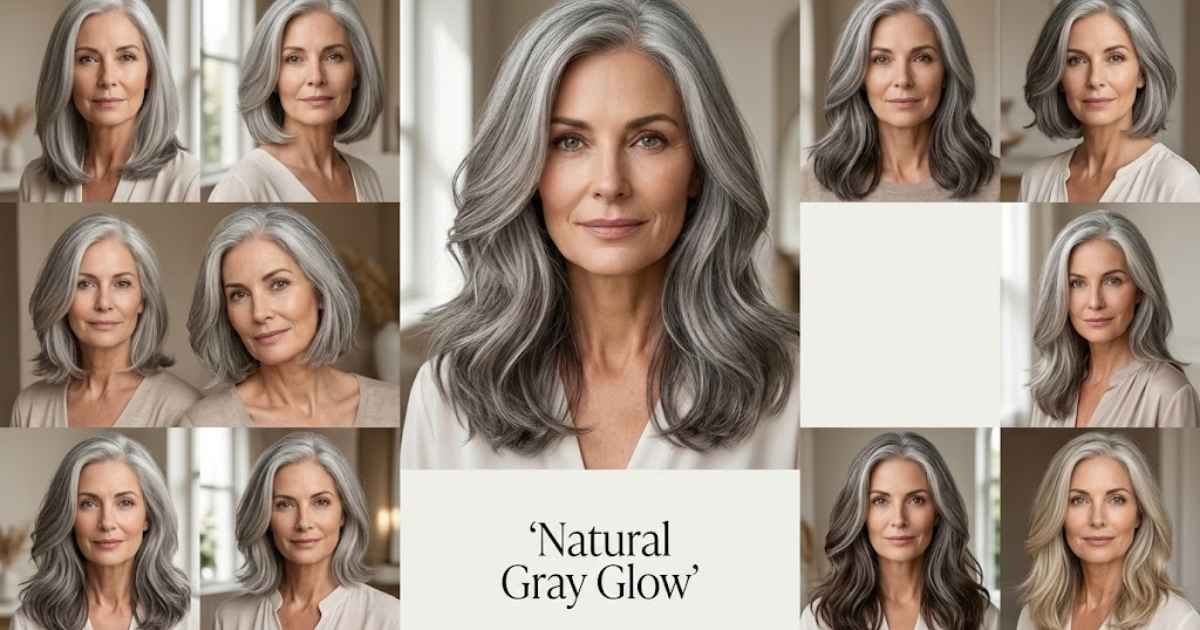
Gray hair doesn’t have to mean giving up beautiful, dimensional color. Grey Blending Hair offers a softer way to embrace changing strands while keeping your overall look polished. Instead of hiding every gray root, this technique works with your natural pattern. Gray Blending Hair can combine gray hair highlights, silver highlights, balayage, and lowlights for a seamless gray hair transition. Whether you’re a brunette, blonde, or have salt and pepper hair, the right approach can make your gray hair journey feel much easier.
Many women also choose Gray Blending Hair because it supports a low maintenance gray hair routine. You can gradually move toward natural grey hair without dealing with harsh regrowth lines. From silver balayage to subtle gray lowlights, today’s color options feel fresh and versatile. With thoughtful placement and the right shade, Grey Blending Hair can create natural-looking gray hair with beautiful dimension and movement.
What Is Grey Blending Hair?
Grey blending hair is a modern coloring technique that softly mixes natural gray strands with your existing hair color. Instead of completely hiding gray roots, the goal is to make them look intentional, dimensional, and naturally beautiful.
With gray hair blending, a stylist usually combines highlights, lowlights, balayage, or carefully placed tones. The result creates a softer transition between dyed hair and natural gray hair.
Unlike traditional root coverage, grey blending doesn’t aim for one solid color. It works with your natural pattern, which makes the growing-out stage much less noticeable.
Key benefits include:
- Creates a seamless gray hair transition
- Softens the appearance of gray roots
- Adds depth and dimension to silver gray hair
- Reduces harsh lines between color and regrowth
- Works well with brunettes, blondes, and darker hair
- Supports a low maintenance gray hair routine
- Makes going gray naturally look more polished
For many women, the biggest appeal is freedom. You don’t have to chase every new gray hair with permanent dye.
Why Is Grey Blending Hair So Popular in the USA?
The popularity of grey blending hair has grown as more women embrace gray hair instead of constantly covering it. Across the U.S., the trend fits a broader shift toward natural-looking color, easier maintenance, and personalized salon services.
Rather than treating gray as something that must disappear, modern colorists use it as part of the overall design.
Gray hair transition can take months or even years. Grey blending makes that journey look more intentional while helping you maintain a polished appearance.
Here are some reasons the technique appeals to U.S. clients:
- Lower maintenance: You can stretch the time between color appointments.
- Natural appearance: Blended tones look softer than a solid root color.
- More dimension: Highlights and lowlights create movement throughout the hair.
- Personalized results: Your stylist can work with your natural gray pattern.
- Flexible styling: The technique works with short cuts, long layers, waves, and curls.
- Better grow-out: Gray regrowth becomes less obvious between appointments.
- Modern color options: Silver, ash, beige, and cool-toned shades offer plenty of variety.
For someone transitioning to gray hair, this approach can feel like taking off the training wheels. You still get beautiful color while gradually moving toward your natural shade.
Grey Blending Hair vs. Traditional Gray Coverage
The biggest difference comes down to the goal. Traditional gray coverage aims to hide gray hair, while gray blending aims to integrate it.
With traditional color, stylists often use permanent color to create an even shade from roots to ends. That can provide excellent coverage. However, noticeable gray roots may appear again as the hair grows.
Gray blending takes a softer approach. Highlights, lowlights, balayage, and tonal adjustments help connect your natural gray with the rest of your hair.
| Feature | Grey Blending Hair | Traditional Gray Coverage |
| Main goal | Blend natural gray | Cover gray completely |
| Grow-out | Softer and less noticeable | Often creates visible roots |
| Maintenance | Usually lower | Usually more frequent |
| Appearance | Dimensional and natural | More uniform |
| Gray visibility | Works with natural gray | Minimizes gray |
| Techniques | Highlights, lowlights, balayage | Permanent or demi-permanent color |
| Gray transition | Supports gradual transition | Can delay the transition |
If your goal involves going gray naturally, grey blending may provide a more comfortable middle ground. You can enjoy polished color without committing to constant root coverage.
15 Stunning Grey Blending Hair Styles for a Natural Look
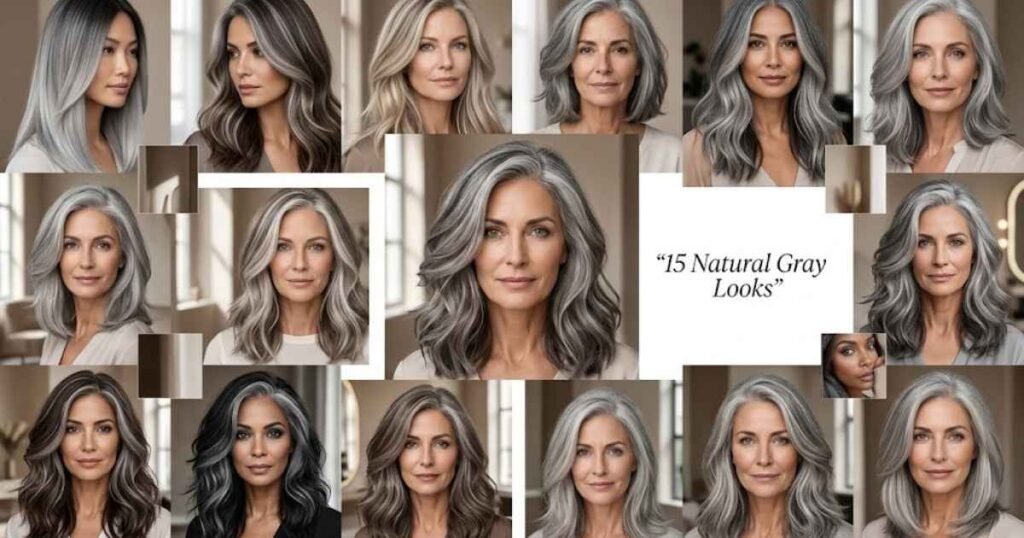
The beauty of gray blending hair lies in its flexibility. Your stylist can adjust the placement, tone, and contrast according to your natural gray pattern, base color, and preferred maintenance level.
1. Soft Silver Balayage
Soft silver balayage creates a gradual flow from darker roots into lighter gray and silver tones. It works especially well when you want noticeable dimension without a dramatic color shift.
2. Gray Blending for Brunettes
Gray blending highlights for brunettes can soften the contrast between dark brown hair and natural gray strands. Ash brown, mushroom, and silver tones create a sophisticated transition.
3. Gray Blending for Blondes
Gray blending for blondes often feels especially seamless because blonde hair naturally sits closer to silver tones. Beige, champagne, ash, and soft silver shades can create a luminous finish.
4. Salt and Pepper Blending
Salt and pepper hair creates a striking balance between dark strands and natural silver or white pieces. Subtle highlights can make the contrast look deliberate rather than uneven.
5. Gray Balayage With Dark Roots
A darker root paired with strategically placed gray balayage adds depth while allowing your natural roots to grow without an obvious line.
6. Silver Gray Hair With Lowlights
Gray lowlights add darker pieces throughout silver hair. This technique prevents the color from looking flat and gives fine hair a fuller visual effect.
7. Gray Blending With Highlights and Lowlights
Combining highlights and lowlights creates multidimensional color. This gray blending with highlights and lowlights approach works beautifully when you want movement without excessive brightness.
8. Face-Framing Gray Highlights
Face-framing pieces brighten the area around your face while keeping the rest of the color subtle. They’re a great option when you want a noticeable refresh without full-head coloring.
9. Dimensional Gray Hair
Dimensional gray hair combines multiple shades rather than relying on one silver tone. Soft charcoal, ash, pearl, and natural gray can create impressive depth.
10. Gray Blending for Dark Hair
Gray blending for dark hair requires thoughtful placement because dark bases create stronger contrast. Fine silver highlights can gradually soften that difference.
11. Gray Blending for Black Hair
For gray blending for black hair, stylists often use cool charcoal, silver, and smoky tones. Strategic placement helps avoid an overly striped appearance.
12. Gray Blending for Brown Hair
Gray blending for brown hair can combine cool brown, taupe, ash, and silver tones. The result looks especially natural when the stylist follows your existing gray pattern.
13. Soft Gray Hair With Root Smudge
A root smudge creates a gentle transition between your natural roots and lighter lengths. It can make gray hair growing out look smoother between appointments.
14. Silver Highlights on Natural Gray Hair
Adding silver highlights to natural gray hair can enhance brightness without completely changing your base. This option works well if you already have substantial gray coverage naturally.
15. Low-Maintenance Gray Blending
A strategically blended combination of natural gray, soft highlights, and subtle lowlights can create low maintenance gray blending. It’s ideal if you want beautiful color with fewer salon visits.
Ultimately, the best style depends on your starting color and the amount of gray you already have. A skilled gray blending specialist can customize the technique so your transition looks soft rather than forced.
Silver Grey Blending Hair
Silver Gray Blending hair creates a polished transition between natural gray strands and lighter silver tones. It works especially well when you already have a noticeable amount of gray and want to enhance it rather than hide it.
A stylist can combine silver highlights with your natural base to create dimensional gray hair. The result looks softer than a single all-over silver shade.
This option is ideal if you want:
- A brighter gray hair color
- More dimension and movement
- A softer gray hair transition
- Less noticeable gray regrowth
- A sophisticated silver finish
For a natural result, ask your colorist to match the silver tones to your existing gray pattern.
Ash Blonde and Grey Blending Hair
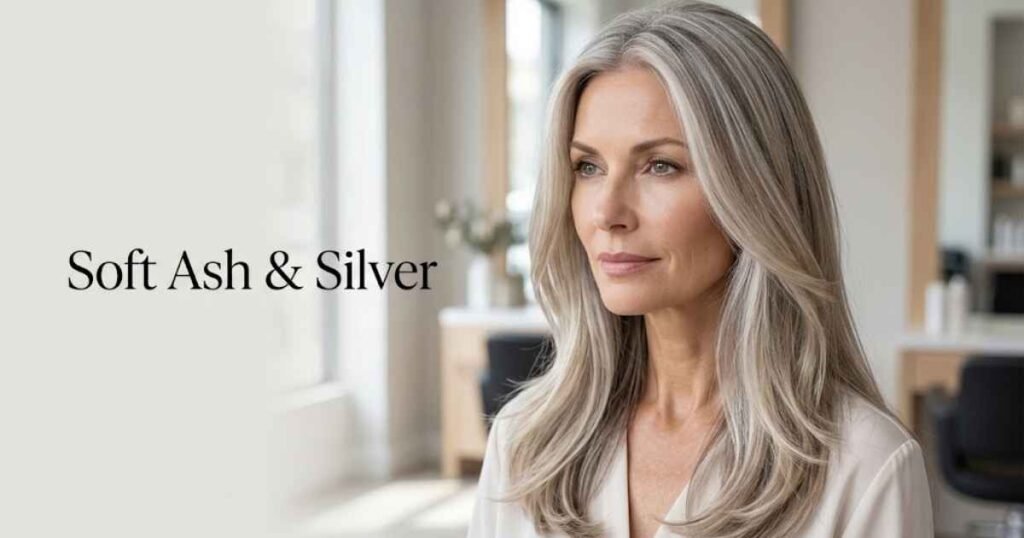
Ash blonde and Gray Blending Hair offers a softer alternative to dramatic silver coloring. Cool blonde tones can connect naturally with gray strands while keeping the overall look bright and refined.
This combination works particularly well for people with naturally blonde or light brown hair. Ash tones also help reduce unwanted warmth that can make gray blending look brassy.
For a seamless result, your stylist may combine:
- Ash blonde highlights
- Soft silver pieces
- Beige-blonde tones
- Cool root shading
- Natural gray strands
The finished color can make going gray naturally feel much more gradual.
Grey Balayage for a Soft Transition
Grey balayage creates a gradual shift between your existing hair color and natural gray. Instead of placing color evenly from root to tip, the stylist paints lighter tones strategically throughout the lengths.
This technique works beautifully for anyone transitioning to gray hair because it reduces the sharp contrast between darker roots and lighter strands.
A well-planned gray balayage can provide:
- A softer grow-out
- Natural-looking dimension
- Less obvious gray roots
- Longer-lasting visual results
- A customized gray hair transformation
If you want a low-maintenance option, keep the balayage close to your natural gray tones.
Grey Blending Hair With Highlights
Gray Blending Hair with highlights adds brightness while helping natural gray strands blend into the overall color. Fine highlights usually create a more natural effect than thick, highly contrasting sections.
For brunettes, cool brown, ash, mushroom, and silver highlights can soften dark hair. Blondes may prefer pearl, beige, champagne, or soft silver tones.
The right placement matters just as much as the shade. Face-framing highlights can brighten your features while scattered pieces create dimension throughout the hair.
This technique also makes gray hair growing out look less noticeable between appointments.
Also Read: Satin Hair Wrap: 10 Benefits for Healthier, Smoother Hair
Grey Blending Hair With Lowlights
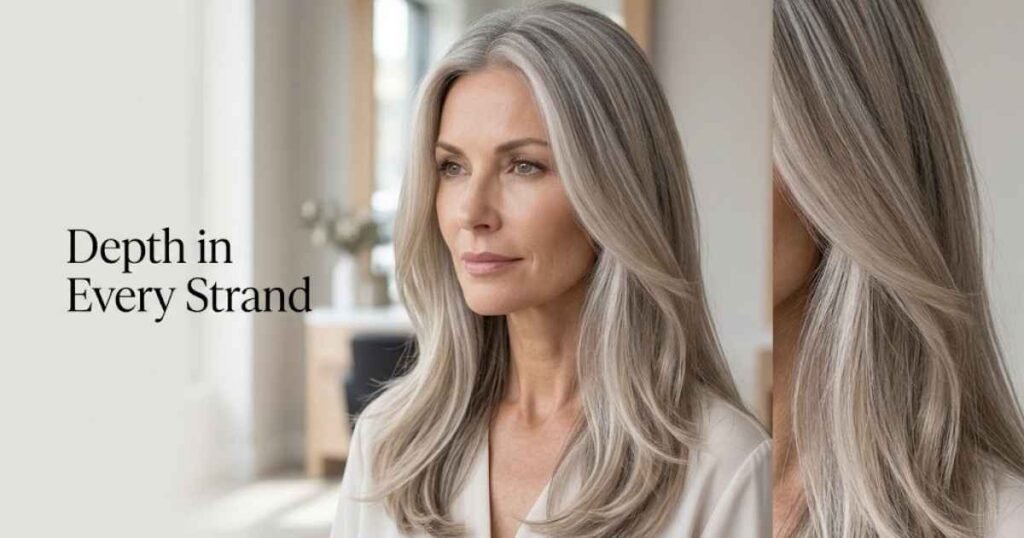
Gray Blending Hair with lowlights adds depth to gray or silver hair without covering its natural character. Darker pieces can prevent gray hair from looking flat or overly bright.
Lowlights work especially well when your hair contains different shades of gray. A colorist can add subtle darker tones that complement your natural pattern.
Consider lowlights if you want:
- More depth and contrast
- Fuller-looking hair
- A softer salt and pepper effect
- Less uniform silver color
- A dimensional gray hair transformation
The best lowlights usually look subtle. You shouldn’t see obvious stripes when the color is finished.
Grey Blending Hair for Brunettes
Grey blending hair for brunettes can create a beautiful bridge between dark brown hair and natural gray. Because the contrast can be strong, strategic color placement becomes essential.
A stylist might use ash brown, mushroom brown, taupe, charcoal, or soft silver tones. Fine gray blending highlights for brunettes can gradually break up the contrast without completely changing your base.
For a softer transition, consider:
- Gray balayage
- Fine silver highlights
- Ash-brown lowlights
- Face-framing pieces
- Root blending
This approach works well when you want to embrace gray hair while keeping some of your brunette identity.
Grey Blending Hair for Blondes
Gray Blending Hair for blondes often creates an especially smooth transition because blonde and gray tones sit closer together on the color spectrum.
Your stylist can blend ash blonde, beige, pearl, silver, and natural gray shades. The result can look bright without appearing overly processed.
For the most natural-looking gray hair, avoid choosing a silver shade that’s dramatically lighter than your existing color. A gradual shift usually creates a more believable finish.
Gray blending for blondes also offers a practical advantage: new gray roots can become less noticeable as they grow.
How to Maintain Grey Blending Hair at Home
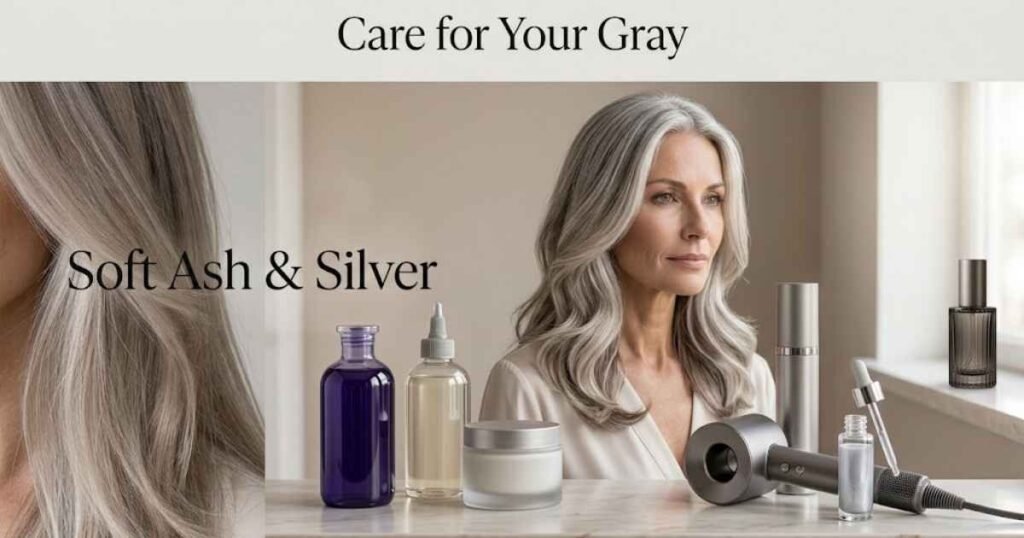
Once you achieve your ideal gray hair blending, simple home care can help preserve the tone and shine. You don’t need an elaborate routine. Consistency matters more.
Use a Purple Shampoo Carefully
Purple shampoo can help reduce unwanted yellow or brassy tones. However, using it too often may make some gray or silver hair look dull or overly cool.
Choose a Color-Safe Shampoo
A gentle, color-safe shampoo helps protect your gray hair color while reducing unnecessary fading.
Condition Regularly
Gray and chemically treated hair can feel dry. Use a moisturizing conditioner or hair mask regularly to keep strands soft and manageable.
Limit Excessive Heat
Frequent hot-tool use can make silver and gray hair look rough. Use heat protection whenever you blow-dry, straighten, or curl your hair.
Protect Your Hair From the Sun
Strong UV exposure can affect color and moisture. A UV-protective hair product can help maintain your tone when you’re outdoors.
Schedule Strategic Salon Visits
You may not need frequent full-color appointments. Many people choose occasional toning, glossing, or targeted gray blending highlights to refresh their look.
How Much Does Grey Blending Hair Cost in the USA?
The gray blending hair cost in the USA varies based on your hair length, starting color, amount of gray, location, and salon expertise.
For many U.S. clients, a basic gray blending appointment may cost roughly $150 to $400 or more. More complex transformations can exceed that range, especially when the stylist needs multiple color services or extensive lightening.
Typical factors affecting gray blending cost in USA include:
| Cost Factor | Why It Matters |
| Hair length | Longer hair often requires more product and time |
| Hair thickness | Thick hair can increase appointment time |
| Starting color | Dark hair may require additional lightening |
| Gray percentage | Different gray patterns require different techniques |
| Highlights or balayage | More detailed work can increase the price |
| Salon location | Prices often vary by U.S. city and region |
| Colorist experience | Specialists may charge premium rates |
| Maintenance | Toners and glosses can add future costs |
Before booking, ask for the estimated gray blending price and what the appointment includes. A consultation can also help you understand whether you need highlights, balayage, lowlights, or a combination.
If you’re searching for a gray blending salon near me, compare recent client photos, stylist experience, and service details rather than choosing based on price alone.
Grey Blending Hair for Dark Hair and Black Hair
Dark hair can create a stronger contrast when gray strands begin appearing. Gray blending for dark hair softens that contrast by introducing carefully chosen tones instead of trying to erase every gray strand.
For black hair, a colorist may use smoky brown, graphite, charcoal, or muted silver shades. The goal isn’t to make the entire head lighter. Instead, the color should complement your existing depth.
This approach works particularly well when you want your natural gray to become part of your overall look.
- Creates softer contrast around gray strands
- Preserves depth in naturally dark hair
- Works with black, espresso, and deep brown bases
- Can complement naturally salt and pepper patterns
- Helps create a more intentional gray hair transformation
Best Grey Blending Techniques for a Seamless Transition
The right gray blending hair technique depends on your natural color, gray pattern, hair texture, and desired maintenance level. There’s no universal formula that works for everyone.
Some techniques focus on brightness while others create depth or soften the root area.
Popular options include:
- Micro-highlighting: Uses very fine sections for an understated effect.
- Color melting: Gradually connects multiple shades without harsh boundaries.
- Root shadowing: Creates a deeper root area that transitions gradually into lighter lengths.
- Toning: Adjusts unwanted warmth or overly dull tones.
- Strategic sectioning: Places color where your natural gray appears most prominently.
A skilled colorist can combine techniques when your hair needs more than one type of adjustment.
Grey Blending Hair Without Permanent Color
You don’t always need permanent dye for gray blending without permanent color. Demi-permanent color, glosses, and toners can provide temporary tonal changes while allowing your natural gray to remain visible.
This option can suit people who aren’t ready for a major color commitment. It also gives you room to experiment with cooler or warmer shades.
Keep in mind that temporary approaches generally don’t provide the same longevity as permanent color. However, they can refresh faded tones and add shine between larger appointments.
Ask your stylist about:
- Demi-permanent color
- Clear or tinted glosses
- Professional toning services
- Deposit-only color
- Temporary gray-enhancing products
How to Transition From Dyed Hair to Natural Gray
Transitioning from dyed hair to gray requires patience because your existing color and new growth need time to meet. The process can look different depending on your starting shade.
If you’ve used dark permanent color for years, your transition may require several carefully planned appointments. Lighter artificial shades can sometimes make the process more gradual.
A practical transition plan may include:
- Discuss your natural gray pattern with a professional.
- Reduce the contrast between your existing color and new growth.
- Gradually adjust artificial color as your hair grows.
- Trim away processed ends when you’re comfortable doing so.
- Shift toward products designed for your changing color needs.
The process doesn’t have to happen overnight. A gradual approach can make the gray hair journey feel much easier to manage.
How Often Should You Get Grey Blending Hair?
There’s no fixed schedule for gray blending appointments because everyone’s hair grows at a different rate. Your color technique also affects how quickly the result needs refreshing.
Many people can wait longer between appointments when their color has been designed around their natural gray pattern.
Your maintenance schedule may depend on:
- How quickly your roots grow
- Your percentage of natural gray
- The contrast between your base and gray
- Whether you use toner or gloss
- Your preferred level of color freshness
- How quickly unwanted warmth develops
Instead of automatically booking monthly appointments, ask your colorist when your specific technique actually needs attention. That can help you maintain the look without unnecessary salon visits.
Best Grey Blending Hairstyles for Mature Women
The right haircut can make gray blending hairstyles look even more polished. Shape, texture, and movement can highlight the different tones throughout blended gray hair.
A good cut doesn’t need to be complicated. In fact, clean shaping often makes multidimensional color stand out beautifully.
Consider these options:
- Layered bob: Adds movement while keeping the overall shape sophisticated.
- Textured pixie: Works well for shorter gray hair with natural texture.
- Shoulder-length layers: Give longer blended hair lightweight movement.
- Soft shag: Adds texture and works especially well with wavy hair.
- Long face-framing layers: Draw attention toward the brighter pieces around your face.
- Classic lob: Offers enough length for styling while keeping the shape manageable.
For mature women, the best style usually matches natural texture rather than fighting it. When the cut and color work together, natural grey hair can look remarkably modern.
FAQ’s
Is Gray Blending Hair Better Than Traditional Gray Coverage?
Grey Blending Hair creates softer regrowth and dimension, while traditional coverage focuses mainly on hiding gray strands.
How Long Does Gray Blending Hair Usually Last?
Grey Blending Hair can remain attractive for several months, depending on growth, technique, toner, and personal maintenance preferences.
Can Gray Blending Hair Work on Dark Brown Hair?
Yes, Grey Blending Hair works beautifully on dark brown hair with carefully placed highlights and complementary cool tones.
Can You Blend Gray Hair Without Permanent Color?
Yes, Grey Blending Hair can use demi-permanent color, glosses, or toners for softer temporary color adjustments.
How Can You Maintain Gray Blending Hair at Home?
Maintain Grey Blending Hair with gentle shampoo, regular conditioning, heat protection, and occasional professional toning appointments.
Conclusion
Choosing Grey Blending Hair can make the journey toward natural gray feel stylish rather than stressful. The right technique blends your existing color with new growth while preserving depth, shine, and personality. From silver gray hair and soft gray hair to gray balayage and dimensional gray hair, there are plenty of ways to personalize the result. Grey Blending Hair also works across different starting shades, including brunette, blonde, brown, and dark hair.
If you’re embracing gray hair, subtle highlights or lowlights can create a smoother transition without demanding constant maintenance. Your ideal look depends on your natural gray pattern, hair condition, base color, and desired salon schedule. A thoughtful color plan can also make gray regrowth less noticeable between appointments. Whether you prefer a bold silver finish or understated salt and pepper hair, Grey Blending Hair gives you room to transition confidently while keeping your color modern, flattering, and wonderfully natural.

HairVist is a helpful destination for hair care tips, hairstyle ideas, and beauty inspiration, managed by Ava Reynolds, an SEO content writer with 2 years of experience, focused on creating simple, useful, and engaging content that helps readers learn more about hair care and styling.
1 thought on “Grey Blending Hair: 15 Stunning Styles for a Natural Look ”