
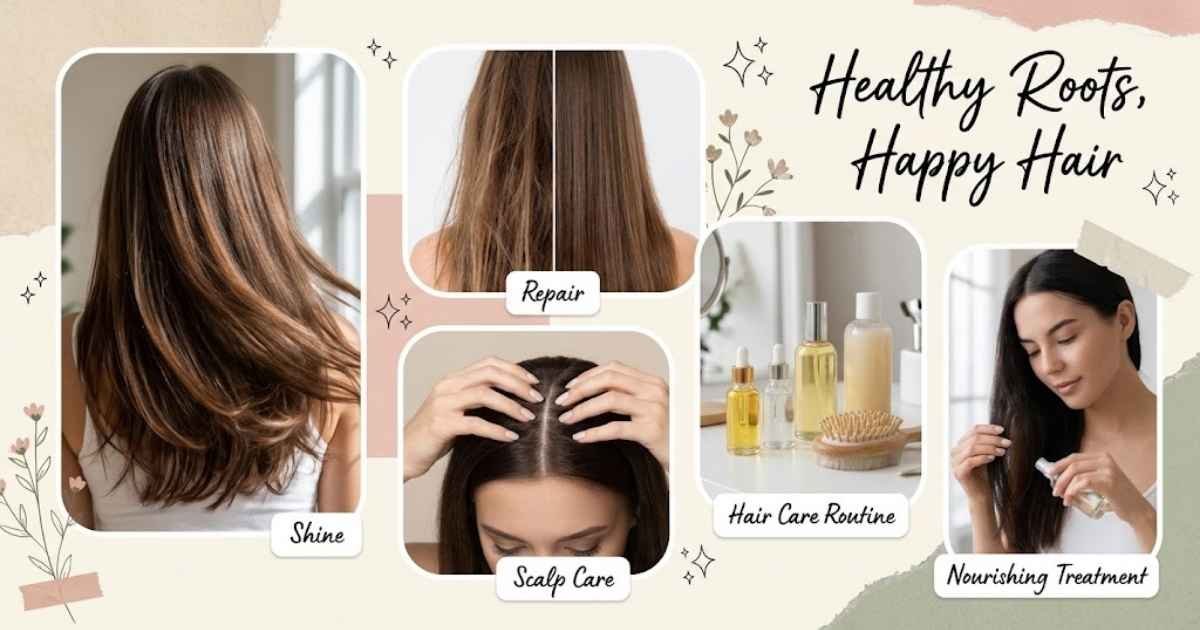
Healthy hair can boost your confidence and make everyday styling much easier. Hair Therapy offers different ways to improve hair texture, support scalp health, and manage common hair concerns. Whether you’re dealing with thinning hair, dryness, or excessive shedding, the right treatment can make a difference. From hair growth treatments to deep conditioning hair treatment, there are options for different needs and budgets.
Choosing the right Hair Therapy starts with understanding your hair and scalp. Some people benefit from hair strengthening treatments, while others need professional hair loss treatment or targeted scalp therapy. Natural hair growth remedies and at-home hair treatments can also support a healthy hair routine. However, persistent shedding may require advice from a dermatologist. With suitable hair care treatments, consistent habits, and realistic expectations, you can work toward stronger strands, better moisture, and healthier-looking hair without making your routine complicated.
What Is Hair Therapy and How Does It Work?
Healthy, beautiful hair starts with the right care, not an overflowing bathroom shelf. Hair Therapy includes treatments and daily habits that support scalp health, reduce breakage, improve hair texture, and address certain types of hair loss. Depending on your needs, it may involve moisturizing masks, scalp treatments, dermatologist-recommended medications, or professional hair restoration procedures.
The best approach depends on why your hair feels weak, looks thinner, or sheds more than usual. For example, dry hair often responds well to conditioning treatments, while hereditary hair loss may require medical treatment. Understanding the cause helps you choose effective hair growth treatments without wasting money on products that don’t match your needs.
How Does Hair Therapy Work?
Most Scalp therapy treatments focus on one or more of these goals:
- Support hair growth: Certain treatments encourage hair follicles to remain active and support the hair growth cycle.
- Improve scalp health: Scalp treatments address dryness, excess oil, buildup, and some causes of inflammation.
- Reduce hair breakage: Deep conditioning and strengthening products help protect the hair shaft from everyday damage.
- Manage hair loss: Appropriate treatments may slow shedding or encourage regrowth, depending on the underlying cause.
- Improve hair thickness: Hair thickening treatments can create a fuller appearance by coating strands or supporting regrowth.
- Restore moisture: Hair repair therapy helps dry, brittle hair feel softer and more manageable.
Hair therapy doesn’t work the same way for everyone. A conditioning mask can improve damaged strands, but it cannot reverse hereditary hair loss. Similarly, scalp massage may feel relaxing, although strong evidence that massage alone produces substantial regrowth remains limited.
Who Can Benefit From Hair Therapy?
Scalp therapy can suit different hair types and concerns, including:
- People experiencing thinning hair or excessive shedding.
- Women noticing changes in hair density after pregnancy or menopause.
- Men experiencing pattern hair loss or a receding hairline.
- Anyone dealing with dry, frizzy, brittle, or chemically damaged hair.
- People with scalp buildup, dryness, or certain scalp conditions.
- Adults looking for healthier hair care routines and preventive maintenance.
If hair loss develops suddenly, creates bald patches, or occurs with scalp pain or severe itching, consult a dermatologist. Identifying the cause early can make treatment more effective.
Benefits of Hair Therapy for Hair Growth
Strong, healthy hair needs more than occasional shampooing. The right Scalp therapy routine can improve moisture, reduce breakage, and support a healthier scalp environment. Some treatments may also help people experiencing specific forms of hair loss.
However, results depend on your hair’s condition and the treatment you choose. Cosmetic improvements can appear quickly, while genuine hair regrowth often takes several months.
Key Benefits of Hair Therapy
- Supports healthier growth: Appropriate treatments may help manage conditions that interfere with normal hair growth.
- Reduces breakage: Strengthening conditioners and protective styling help prevent strands from snapping during brushing.
- Improves hair thickness: Volumizing products create fuller-looking hair, while effective medical treatments may improve density over time.
- Enhances shine and softness: Moisturizing hair treatments smooth the cuticle and make strands easier to manage.
- Promotes scalp comfort: Suitable scalp health treatments can help address dryness, flakes, and product buildup.
- Helps manage shedding: Treating nutritional deficiencies or underlying medical conditions may reduce excessive hair shedding.
- Improves manageability: Deep conditioning reduces tangles and makes styling less stressful for fragile hair.
Hair Therapy Benefits at a Glance
| Hair concern | Helpful treatment approach | Main benefit |
| Dry, brittle hair | Deep conditioning | Improves softness and flexibility |
| Hair breakage | Bond-building or strengthening products | Helps reduce mechanical damage |
| Mild thinning | Appropriate medical evaluation and treatment | May support hair retention or regrowth |
| Dry, flaky scalp | Targeted scalp treatment | Addresses specific scalp concerns |
| Flat, fine hair | Lightweight volumizing products | Creates a fuller appearance |
| Pattern hair loss | Minoxidil or other clinician-recommended options | May slow loss or encourage regrowth |
| Damaged, color-treated hair | Moisturizing masks and gentle care | Improves texture and manageability |
Does Hair Therapy Help Hair Grow Faster?
Scalp therapy doesn’t automatically speed up your natural growth rate. Scalp care and effective treatments can support healthy growth or reduce breakage, helping you retain more length.
Most scalp hair grows approximately half an inch per month, although individual growth rates vary. Genetics, age, hormones, nutrition, and general health all influence the process.
For better results, combine suitable hair growth solutions with a balanced diet, gentle styling, and consistent care. If thinning continues despite these changes, seek professional advice instead of relying entirely on cosmetic products.
Scalp Therapy for Healthier Hair

Your scalp is the foundation of every strand, so keeping it comfortable and clean matters. Scalp therapy focuses on removing excess buildup, managing dryness, and addressing conditions that may affect follicle health. A healthy scalp supports normal hair growth, although scalp treatments alone cannot guarantee thicker hair.
Best Scalp Treatments for Healthy Hair Growth
Choose a scalp treatment based on what your skin actually needs. An oily scalp requires a different approach than a dry, sensitive one.
- Gentle scalp cleansing: Removes excess oil, sweat, and styling residue without stripping away too much moisture.
- Scalp exfoliation: Helps remove stubborn buildup when used appropriately. Avoid harsh scrubs if your scalp feels irritated.
- Moisturizing scalp treatments: Lightweight lotions or serums can relieve dryness and tightness.
- Medicated shampoos: Ingredients such as ketoconazole may help manage certain scalp conditions when used as directed.
- Scalp massage: Gentle massage may feel relaxing and distribute natural oils, but evidence for meaningful hair regrowth remains limited.
- Professional scalp therapy: A dermatologist or qualified hair specialist can recommend targeted treatments for persistent scalp concerns.
How to Improve Scalp Health at Home
Follow these simple habits to maintain a comfortable scalp and protect your hair.
- Wash your hair as often as your scalp requires.
- Rinse thoroughly to prevent unnecessary product buildup.
- Avoid scratching, aggressive brushing, and excessive heat.
- Choose hair care ingredients suited to your hair type.
- Treat persistent dandruff or itching with appropriate products.
- Avoid applying irritating essential oils directly to your scalp.
Pro tip: More products don’t necessarily mean better results. A simple, consistent routine often works better than layering several scalp serums, oils, and exfoliants.
Hair Therapy Treatments for Thinning Hair
Thinning hair can develop gradually, making it difficult to notice until your scalp becomes more visible. The right Scalp therapy approach depends on whether you’re experiencing breakage, temporary shedding, or progressive hair loss.
Before purchasing expensive hair thickening treatments, identify what’s causing the change. Hereditary hair loss, hormonal changes, stress, nutritional deficiencies, and certain medical conditions can all affect hair density.
Effective Treatments for Thinning Hair
- Minoxidil: A widely used hair loss treatment that can help some people with pattern hair loss. Results take time, and continued use is usually necessary to maintain benefits.
- Strengthening conditioners: Reduce friction and breakage, particularly when hair feels fragile or snaps during styling.
- Volumizing products: Make fine strands appear fuller without necessarily increasing the number of hair follicles.
- Nutritional support: Correcting a confirmed deficiency may improve hair health when that deficiency contributes to thinning.
- Low-level laser therapy: Certain devices may provide modest benefits for some people with pattern hair loss.
- Prescription treatments: A dermatologist may recommend medications based on your diagnosis, health history, and treatment goals.
Hair Therapy for Women and Men
Hair thinning doesn’t look the same for everyone. Women may notice a wider part or reduced fullness around the crown, while men often experience a receding hairline or thinning at the top.
| Concern | Possible approach |
| Women’s pattern hair loss | Minoxidil and a dermatologist-guided plan |
| Men’s pattern hair loss | Minoxidil or other suitable medical treatments |
| Postpartum shedding | Evaluation when needed and gentle hair care during recovery |
| Stress-related shedding | Addressing triggers and checking for other contributing causes |
| Breakage from styling | Protective styling and strengthening conditioners |
| Thinning linked to deficiencies | Appropriate testing and correction of confirmed deficiencies |
Scalp therapy treatments for women over 40 may need to account for menopause, hormonal changes, and other health factors. Likewise, hair loss treatment options for men depend on the pattern and severity of hair loss.
If your thinning progresses quickly or appears alongside other symptoms, consult a dermatologist before starting treatment.
Best Hair Therapy Options for Hair Loss
Hair loss can feel frustrating, especially when your usual products stop delivering the results you expect. Fortunately, several hair regrowth treatment options can help, depending on the cause.
The most effective plan often combines medical treatment with healthy hair habits. Cosmetic products may improve appearance, but treatments that target the underlying cause generally offer a better chance of managing progressive hair loss.
Common Hair Loss Treatment Options
| Treatment | Best suited for | Important consideration |
| Minoxidil | Certain types of pattern hair loss | Requires consistent use |
| Prescription medication | Selected cases of hereditary hair loss | Requires medical guidance |
| Treating nutritional deficiencies | Hair loss linked to confirmed deficiencies | Supplements aren’t necessary for everyone |
| PRP Scalp therapy | Selected people with pattern hair loss | Results vary and evidence continues to develop |
| Low-level laser therapy | Some cases of pattern hair loss | Benefits depend on the device and individual |
| Hair transplant surgery | Suitable candidates with permanent hair loss | Requires evaluation and recovery time |
| Hair strengthening treatments | Breakage and fragile strands | Improve hair condition rather than follicle activity |
How to Choose an Effective Hair Loss Treatment
Start with three practical steps:
- Identify the cause: A dermatologist can examine your scalp and recommend blood tests when appropriate.
- Set realistic expectations: Hair regrowth usually takes months, not days or weeks.
- Track your progress: Take monthly photos under similar lighting to compare hair density over time.
Dermatologist-recommended hair loss treatments offer a more reliable starting point than products promising instant results. Avoid taking high-dose vitamins or supplements unless a healthcare professional identifies a need.
When Should You See a Dermatologist?
Seek professional evaluation if you experience sudden shedding, distinct bald patches, scalp inflammation, or ongoing thinning without an obvious cause. Early diagnosis can help prevent unnecessary delays in treatment.
Natural Hair Therapy Remedies for Growth

Natural Scalp therapy can help you maintain softer strands and a healthier scalp without an elaborate routine. However, natural doesn’t automatically mean effective or irritation-free. Some remedies improve hair condition, while evidence for stimulating new growth remains limited.
For the best results, focus on gentle care, balanced nutrition, and proven treatments when necessary.
Natural Ways to Promote Hair Growth
- Coconut oil: May reduce protein loss and help protect hair from damage during washing.
- Aloe vera: Can moisturize some dry scalps, although strong evidence for hair regrowth is lacking.
- Scalp massage: Provides a relaxing addition to your routine, but shouldn’t replace proven hair loss treatments.
- Balanced nutrition: Protein, iron, zinc, and other nutrients support normal hair growth when consumed in adequate amounts.
- Gentle washing: Helps maintain scalp cleanliness without unnecessary friction or excessive dryness.
- Protective hairstyles: Reduce tension and mechanical damage when worn comfortably.
- Regular conditioning: Improves softness, detangling, and resistance to breakage.
Natural Hair Therapy Remedies Worth Trying
| Remedy | Potential benefit | Best practice |
| Coconut oil | Helps reduce certain forms of hair damage | Apply mainly to the lengths before washing |
| Aloe vera gel | May soothe mild dryness | Patch-test before applying |
| Warm oil treatment | Adds lubrication and softness | Use comfortably warm oil, never hot |
| Protein-rich foods | Supply building blocks for hair | Include varied protein sources in meals |
| Gentle scalp massage | Promotes relaxation | Use fingertips without scratching |
| Deep conditioning mask | Improves moisture and manageability | Choose a formula suited to your hair texture |
Do Home Remedies Really Grow Hair?
Home remedies can improve the appearance and condition of your hair, but they won’t reliably reverse hereditary hair loss. Evidence for popular ingredients such as rosemary oil remains limited compared with established medical treatments.
If you enjoy natural hair growth remedies, use them alongside a healthy hair routine rather than treating them as guaranteed cures. Stop using any product that causes burning, redness, or itching.
Professional Hair Therapy Treatments in the USA
When home care isn’t enough, professional Scalp therapy can offer more targeted solutions. Salons, dermatology offices, and hair restoration clinics provide different services, so it’s important to understand what each treatment can realistically accomplish.
A salon treatment may improve shine and softness, while a medical procedure may address specific forms of hair loss. Choosing the right provider starts with understanding your main concern.
Popular Professional Hair Therapy Treatments
1. Professional deep conditioning
This treatment uses conditioning masks and moisturizing formulas to improve softness, manageability, and shine. It’s especially helpful for dry, curly, color-treated, or heat-damaged hair.
2. Medical scalp therapy
A dermatologist evaluates scalp health, hair shedding, and possible underlying conditions. Treatment may include medicated products, prescription medications, or further testing.
3. Laser Scalp therapy
Low-level light devices may help selected people with pattern hair loss. Results vary, and the treatment doesn’t replace a proper diagnosis.
4. PRP Scalp therapy
This procedure uses platelet-rich plasma prepared from your own blood. Providers inject the plasma into the scalp in an effort to support hair growth.
How to Choose a Hair Restoration Clinic
Before booking professional Scalp therapy, consider these factors:
- Qualifications: Look for appropriately licensed medical professionals with experience treating hair loss.
- Diagnosis: A reputable provider should assess the cause of your symptoms before recommending procedures.
- Treatment evidence: Ask what research supports the recommended treatment and what results you can realistically expect.
- Total pricing: Request a breakdown of consultation fees, treatment sessions, maintenance, and follow-up visits.
- Safety standards: Confirm that the clinic follows appropriate hygiene and infection-control practices.
- Progress tracking: Choose a provider who monitors results and adjusts the treatment plan when necessary.
Be cautious of clinics that guarantee regrowth or pressure you into purchasing expensive packages. Professional hair therapy should begin with an honest assessment, not a sales pitch.
ALSO READ: Hair Ribbon: 13 Best Styles, Easy Hairstyles, and Everyday Tips
Laser Hair Therapy for Hair Regrowth
Laser Scalp therapy offers a noninvasive option for people seeking alternatives to certain medications or procedures. Low-level laser therapy, sometimes called red-light therapy, uses specific wavelengths of light to target the scalp.
Researchers continue to study how these devices affect follicle activity. Some clinical studies suggest modest improvements in hair density for certain people with pattern hair loss. However, results aren’t guaranteed, and not every device has the same evidence behind it.
How Does Laser Hair Therapy Work?
Low-level laser therapy delivers light energy to the scalp without intentionally damaging the skin. Researchers believe it may influence cellular activity around hair follicles, although the precise mechanisms and clinical benefits require further study.
Potential benefits include:
- A noninvasive treatment approach.
- No surgical incisions or injections.
- Possible improvements in hair density for some users.
- Convenient home-use devices and professional treatment options.
- A potential addition to a broader hair loss management plan.
At-Home Devices vs. Professional Laser Treatments
| Feature | At-home laser devices | Professional treatment |
| Convenience | Use on your schedule | Requires appointments |
| Cost | Higher initial purchase price | Repeated session fees may add up |
| Treatment consistency | Depends on your routine | Sessions follow the provider’s schedule |
| Monitoring | Usually self-managed | May include professional progress checks |
| Results | Vary by device and user | Also vary by device and user |
Is Laser Hair Therapy Worth Trying?
Laser Scalp therapy may suit adults with certain types of pattern hair loss who prefer a noninvasive option. Before purchasing a device, check its regulatory status, instructions, safety information, and evidence for your specific concern.
Keep these points in mind:
- Follow the manufacturer’s treatment schedule.
- Protect your eyes according to the device instructions.
- Don’t expect immediate results.
- Discuss possible interactions with other treatments with your healthcare provider.
- Continue monitoring hair density and shedding over time.
Laser Scalp therapy for thinning hair generally requires consistent use over several months. If you have sudden or unexplained hair loss, get a diagnosis before spending money on a device.
PRP Hair Therapy and Its Benefits
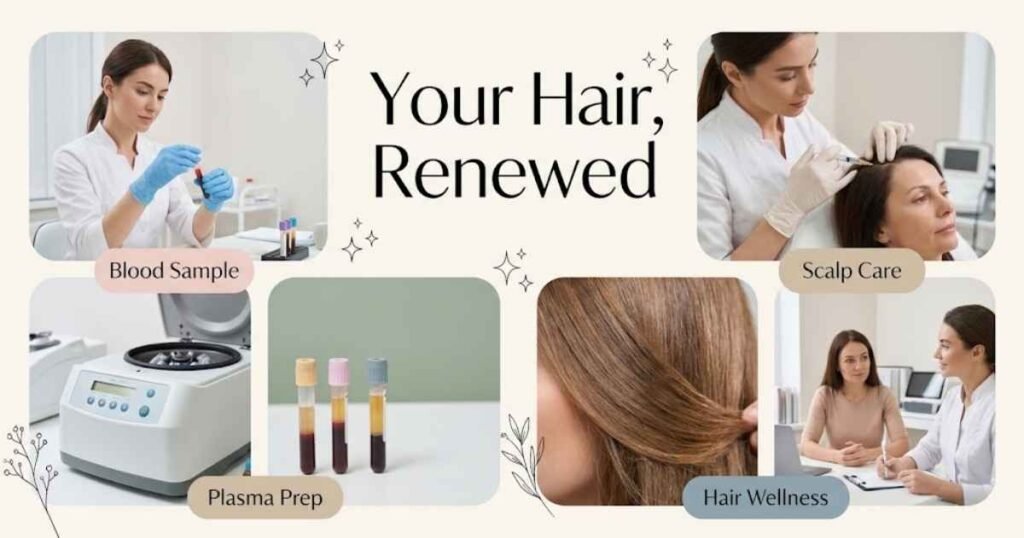
Platelet-rich plasma, commonly called PRP, has become a popular option at hair restoration clinics. PRP hair therapy uses a concentrated portion of your own blood that contains platelets and associated growth factors.
The procedure aims to support follicle activity in people with certain types of hair loss. Research shows promising results in some patients, although study methods, treatment schedules, and outcomes vary.
How Does PRP Hair Therapy Work?
A typical appointment involves three main steps:
- Blood collection: A clinician draws a small sample of your blood.
- Plasma preparation: A centrifuge separates platelet-rich plasma from other blood components.
- Scalp injections: The clinician injects the prepared plasma into selected areas of the scalp.
Appointments often take about 30 to 60 minutes, although the exact duration varies by clinic and protocol.
Potential Benefits of PRP Hair Therapy
- May improve hair density in some people with pattern hair loss.
- Uses material collected from your own blood.
- Doesn’t require surgical hair transplantation.
- May complement other clinician-recommended hair loss treatments.
- Usually involves limited downtime compared with surgery.
However, PRP isn’t suitable for every cause of hair loss. It may also cause temporary soreness, swelling, bruising, or tenderness. Infection is uncommon but remains a possible complication of injections.
Who Is a Good Candidate for PRP?
A dermatologist or qualified medical provider can determine whether PRP fits your needs. People with certain types of pattern hair loss may benefit, particularly when viable hair follicles remain.
PRP may be less helpful when follicles have been permanently destroyed or when an untreated medical condition drives the shedding.
Before scheduling treatment, ask your provider about expected results, the number of sessions, maintenance needs, and alternative options. Scalp therapy works best when your plan matches the cause of your hair loss.
Hair Therapy for Dry and Damaged Hair
Dry, rough hair doesn’t always need an expensive salon makeover. Often, it needs moisture, less friction, and a break from damaging styling habits. Scalp therapy for dry damaged hair focuses on improving the condition of existing strands rather than stimulating new growth.
Heat styling, bleaching, chemical treatments, and rough brushing can damage the hair shaft. Once a strand develops significant structural damage, products may improve its feel and appearance, but they can’t permanently restore it to its original condition.
Best Treatments for Damaged Hair
- Deep conditioning hair treatment: Helps soften strands and improve detangling.
- Leave-in conditioner: Reduces friction and makes daily styling easier.
- Bond-building treatments: May improve the feel and resilience of chemically damaged hair, depending on the formula.
- Protein treatments: Can temporarily improve the feel of some damaged strands. Excessive use may leave certain hair types feeling stiff.
- Heat protection: Helps limit damage when using blow-dryers, curling irons, or flat irons.
- Hair oils and serums: Smooth the surface, add shine, and reduce friction.
- Regular trims: Remove split ends and help prevent splitting from traveling farther up the strand.
How to Repair Dry and Brittle Hair
Follow this practical routine for stronger-looking, more manageable hair.
| Step | What to do | Why it helps |
| 1 | Wash with a suitable shampoo | Cleans the scalp without unnecessary stripping |
| 2 | Condition after washing | Improves softness and detangling |
| 3 | Apply a leave-in product | Reduces friction during styling |
| 4 | Limit high heat | Helps prevent additional damage |
| 5 | Detangle gently | Reduces snapping and mechanical stress |
| 6 | Protect hair overnight | Helps limit rubbing against fabrics |
Scalp Therapy for Different Hair Types
Your hair texture influences which treatments work best.
- Fine hair: Choose lightweight conditioners to avoid a flat, greasy appearance.
- Curly hair: Use moisturizing products that improve slip and reduce tangling.
- Coily hair: Rich conditioners and careful detangling can help manage dryness and breakage.
- Color-treated hair: Use products designed for chemically processed strands and limit excessive heat.
- Bleached hair: Consider bond-building products alongside gentle cleansing and regular conditioning.
The goal isn’t to use every treatment available. It’s to build a simple routine that keeps your hair flexible, moisturized, and easier to manage.
Best Hair Therapy Products to Try at Home
You don’t need a professional appointment every time your hair feels dry or looks dull. The right at-home Scalp therapy products can help maintain moisture, improve manageability, and reduce breakage between salon visits.
However, choose products according to your main concern. A serum designed for dry ends won’t necessarily address hair loss, and a scalp treatment won’t repair split ends.
Hair Therapy Products Worth Considering
| Product type | Best for | What to look for |
| Moisturizing shampoo | Dry or coarse hair | Gentle cleansing ingredients |
| Deep conditioning mask | Brittle, frizzy strands | Conditioning agents and emollients |
| Leave-in conditioner | Tangled or curly hair | Lightweight moisturizers |
| Hair oil or serum | Dry ends and frizz | Smoothing ingredients |
| Bond-building treatment | Chemically damaged hair | Formulas designed for structural damage |
| Scalp serum | Specific scalp concerns | Ingredients suited to your diagnosis |
| Minoxidil product | Certain types of pattern hair loss | Appropriate formulation and medical guidance |
| Anti-dandruff shampoo | Dandruff and related scalp symptoms | Suitable active ingredients |
Ingredients That Can Support Healthy Hair
Understanding hair care ingredients makes shopping much easier.
- Glycerin: Attracts moisture and helps improve hair softness.
- Ceramides: Help support the protective barrier of the hair and skin.
- Conditioning agents: Reduce friction, making strands easier to detangle.
- Silicones: Smooth the hair surface and help reduce friction during styling.
- Proteins and hydrolyzed proteins: Can temporarily improve the feel of damaged strands.
- Minoxidil: A topical medication that can help certain people with pattern hair loss.
- Ketoconazole: An antifungal ingredient used in certain dandruff treatments.
Remember that ingredients work differently depending on their formulation and concentration. A product containing a popular ingredient isn’t automatically the best option for your hair.
Build an Easy At-Home ScalpTherapy Routine
A consistent routine is usually more useful than buying multiple products without a plan.
Weekly routine:
- Cleanse your scalp with a suitable shampoo.
- Apply conditioner to the lengths and ends.
- Use a deep conditioning mask when your hair needs extra moisture.
- Apply a leave-in product if you experience tangling or frizz.
- Limit heat styling and protect your hair from excessive friction.
If you’re using a medicated scalp treatment, follow its directions instead of adding several active products at once.
For thinning hair, remember that cosmetic Scalp therapy products primarily improve appearance. Choose evidence-based treatments when your goal is genuine regrowth.
Hair Therapy Cost in the United States
Scalp therapy prices in the USA vary widely depending on the provider, treatment type, location, and number of sessions. A drugstore conditioning mask might cost less than $20, while a course of professional hair restoration treatments can cost thousands.
Before choosing a service, separate cosmetic hair care from medical treatment. They serve different purposes and have very different price ranges.
Average Hair Therapy Costs in the USA
The following figures are approximate budgeting estimates, not guaranteed national averages. Actual prices depend on the clinic, product, treatment plan, and local market.
| Hair therapy treatment | Estimated cost in the USA |
| At-home hair mask | $10 to $40 |
| Leave-in conditioner or hair serum | $10 to $50 |
| Professional deep conditioning | $25 to $100 per session |
| Professional scalp treatment | $30 to $150 per session |
| Dermatologist consultation | $100 to $300 or more |
| At-home laser hair device | $200 to $1,500 or more |
| Professional PRP scalp therapy | $500 to $1,500 per session |
| Hair transplant surgery | $4,000 to $15,000 or more |
These ranges are broad estimates intended to help you compare options. Some metropolitan clinics charge considerably more, and additional fees may apply.
What Affects the Cost of Hair Therapy?
Several factors determine how much you’ll spend:
- Treatment type: Basic conditioning costs less than medical procedures.
- Provider expertise: Specialist consultations and advanced procedures may carry higher fees.
- Location: Prices often vary between cities and metropolitan areas.
- Number of sessions: PRP and other ongoing treatments can require repeated appointments.
- Product requirements: Prescription medications and maintenance products add to long-term costs.
- Severity of hair loss: More extensive treatment plans may require additional services.
How to Find Affordable Hair Therapy Treatments Near Me
If you’re comparing affordable scalp therapy treatments near me, start by checking local dermatology practices and qualified hair restoration clinics.
Use these tips to avoid unnecessary spending:
- Request a complete estimate before booking.
- Ask whether the consultation fee includes scalp examination or testing.
- Compare the total treatment cost instead of the advertised starting price.
- Confirm whether maintenance sessions are necessary.
- Ask your insurance provider whether evaluation or treatment of an underlying medical condition is covered.
Cosmetic procedures and hair restoration services often aren’t covered by health insurance. Coverage depends on your plan and the reason for treatment.
The smartest investment isn’t necessarily the cheapest treatment. It’s the one that addresses your specific concern with reasonable evidence and transparent pricing.
How to Choose the Right Hair Therapy for You

Choosing the right scalp therapy becomes easier when you identify what you want to improve. Are you dealing with excessive shedding, slow regrowth, dryness, breakage, or an irritated scalp? Each concern calls for a different approach.
Rather than following every trending treatment, build your plan around your hair’s condition, your budget, and your long-term goals.
Match Your Hair Concern to the Right Treatment
| Your main concern | A sensible starting point |
| Dry, rough hair | Deep conditioning and gentle hair care |
| Frequent breakage | Strengthening products and reduced heat styling |
| Gradual pattern thinning | Dermatologist evaluation and evidence-based treatment |
| Sudden hair shedding | Medical assessment to identify the cause |
| Dandruff or itchy scalp | Appropriate medicated shampoo or professional advice |
| Hair thinning after a health change | Evaluation of possible underlying causes |
| Persistent hair loss | Consultation with a dermatologist or hair restoration specialist |
Five Questions to Ask Before Starting Hair Therapy
1. What is causing my hair problem?
A clear diagnosis helps you avoid treatments that address the wrong issue. Hair breakage and follicle-related hair loss may look similar, but they require different solutions.
2. Does the treatment have evidence behind it?
Look for credible evidence supporting the treatment for your particular condition. Be skeptical of dramatic before-and-after photos and guaranteed results.
3. How long will results take?
Moisturizing treatments may improve softness after one use. Hair regrowth treatments typically require several months of consistent use before you can assess their benefits.
4. Can I afford the ongoing cost?
Some scalp therapy options require continuous maintenance. Calculate the cost of products, follow-up appointments, and repeat procedures before committing.
5. Is the treatment suitable for my health and hair type?
Consider allergies, medications, pregnancy or breastfeeding where relevant, scalp sensitivity, and previous chemical treatments. Ask a healthcare professional about any concerns before beginning medical treatment.
How Long Does Hair Therapy Take to Work?
The timeline depends on what you’re treating.
| Treatment goal | General timeframe |
| Softer, more manageable hair | Often after one application |
| Reduced tangling | Immediately or after several uses |
| Better control of scalp symptoms | Days to weeks, depending on the condition |
| Early assessment of medical hair regrowth | Often around 3 to 6 months |
| More meaningful assessment of hair density | Around 6 to 12 months for many treatments |
These timelines are approximate. Your diagnosis, treatment consistency, and individual response can change the results.
FAQ’s
What Causes Excessive Hair Shedding?
Stress, hormonal changes, nutritional deficiencies, and certain medical conditions can increase shedding and may require professional evaluation.
Which Treatments Help Improve Hair Thickness?
Hair Therapy may improve thickness through suitable medical treatments, gentle care, and products that reduce breakage.
How Can I Improve My Scalp Health?
Hair Therapy supports scalp health through gentle cleansing, appropriate treatments, and routines that address dryness or buildup.
Are Natural Remedies Effective for Hair Growth?
Hair Therapy can complement natural remedies, although evidence varies and home treatments cannot reliably reverse hereditary hair loss.
When Should I Seek Professional Hair Loss Treatment?
Hair Therapy may require dermatologist guidance when shedding persists, bald patches appear, or scalp irritation develops.
Conclusion
Beautiful hair begins with consistent care and treatments that match your needs. Hair Therapy can help improve softness, reduce breakage, and support healthier scalp conditions. From moisturizing hair treatments to laser scalp therapy and PRP hair treatment, different options address different concerns. The key is knowing which approach suits your hair type, budget, and goals.
A simple routine can deliver meaningful improvements over time. Choose gentle products, nourish your body with balanced meals, and protect your strands from excessive heat. If thinning hair continues, professional hair restoration treatments may provide additional support. Remember that hair regrowth solutions require patience, and results vary from person to person. Effective Hair Therapy isn’t about buying every trending product or trying every salon service. It’s about making informed choices, maintaining scalp health, and following treatments consistently. With the right approach, you can improve hair manageability, protect existing strands, and build a routine that supports healthier-looking hair.

HairVist is a helpful destination for hair care tips, hairstyle ideas, and beauty inspiration, managed by Ava Reynolds, an SEO content writer with 2 years of experience, focused on creating simple, useful, and engaging content that helps readers learn more about hair care and styling.
1 thought on “Hair Therapy: A Complete Guide to Hair Growth, Repair, and Scalp Health”