

Choosing the right shampoo can make your hair care routine easier. If you’re asking, Is Native Shampoo Good for Your Hair, your hair type and scalp needs matter. Native shampoo offers cleansing, fragrance, and moisturizing features that may suit many routines. However, results can differ between dry hair, oily hair, curly hair, and sensitive scalp needs. Understanding Native shampoo ingredients can help you make a smarter choice.
In this guide, Is Native Shampoo Good for Your Hair gets a practical answer without complicated claims. You’ll learn about Native shampoo benefits, Native shampoo pros and cons, cleansing performance, and possible Native shampoo side effects. You’ll also see how Native shampoo for dry hair, Native shampoo for oily hair, and Native shampoo for curly hair may fit different routines. By checking your hair texture, scalp type, and moisture needs, you can decide whether Native shampoo belongs in your routine.
Is Native Shampoo Good for Your Hair?
If you’re wondering is Native shampoo good for your hair, the answer depends on your hair type, scalp type, and what you want from a cleanser. Native shampoo uses a blend of cleansing agents, moisturizing ingredients, and fragrance ingredients designed for everyday hair care.
For many people, Native shampoo for hair can provide effective hair cleansing without leaving strands feeling overly coated. However, results can vary. Dry hair may need extra moisture, while an oily scalp may benefit from stronger cleansing. Your hair texture and current condition also matter.
Overall, Native shampoo effectiveness comes down to how well the formula matches your needs. Before adding it to your hair care routine, check the Native shampoo ingredients, consider your scalp health, and choose a formula that suits your hair type.
What Is Native Shampoo?
Is Native Shampoo Good for Your Hair is a personal-care cleanser designed to remove oil, sweat, dirt, and scalp buildup while keeping hair feeling fresh. It comes in several Native shampoo varieties, allowing you to choose based on fragrance preferences and hair-care needs.
The formula focuses on everyday hair cleansing while offering a fresh washing experience. Depending on your hair and scalp type, it can fit easily into a regular hair care routine.
Why Do People Choose Native Shampoo?
- Designed for regular hair cleansing
- Available in multiple fragrance options
- Offers different Native shampoo varieties
- Helps remove excess oil and daily buildup
- Fits easily into a simple hair care routine
- Can leave hair feeling clean and soft
- Available in formulas suited to different preferences
Is Native Shampoo Good for Your Hair should clean your scalp without making your hair feel like straw. That’s where choosing the right formula matters.
Native Shampoo Ingredients and What They Do
Understanding Native shampoo ingredients can help you decide whether the formula fits your hair needs. Different ingredients contribute to cleansing, moisture, fragrance, texture, and overall washing performance.
Here’s a simple breakdown of common ingredient categories:
| Ingredient Type | What It Does |
| Cleansing ingredients | Remove oil, dirt, sweat, and buildup |
| Moisturizing ingredients | Help support hair moisture and softness |
| Plant-based ingredients | Add botanical elements to the formula |
| Fragrance ingredients | Give the shampoo its scent |
| Conditioning ingredients | Help improve hair feel and manageability |
The exact Native shampoo formula can vary by variety. That’s why checking the label matters, especially if you have a sensitive scalp, fragrance concerns, or specific hair-care needs.
Are Native Shampoo Ingredients Good for Hair?
For many users, the Is Native Shampoo Good for Your Hair ingredients and benefits make it a practical everyday cleanser. However, no shampoo works perfectly for every person.
Your hair type, scalp type, washing frequency, and styling habits all influence the result. Someone with oily roots may prefer stronger cleansing, while someone with dry or damaged hair may need a more moisturizing routine.
10 Benefits of Native Shampoo for Your Hair
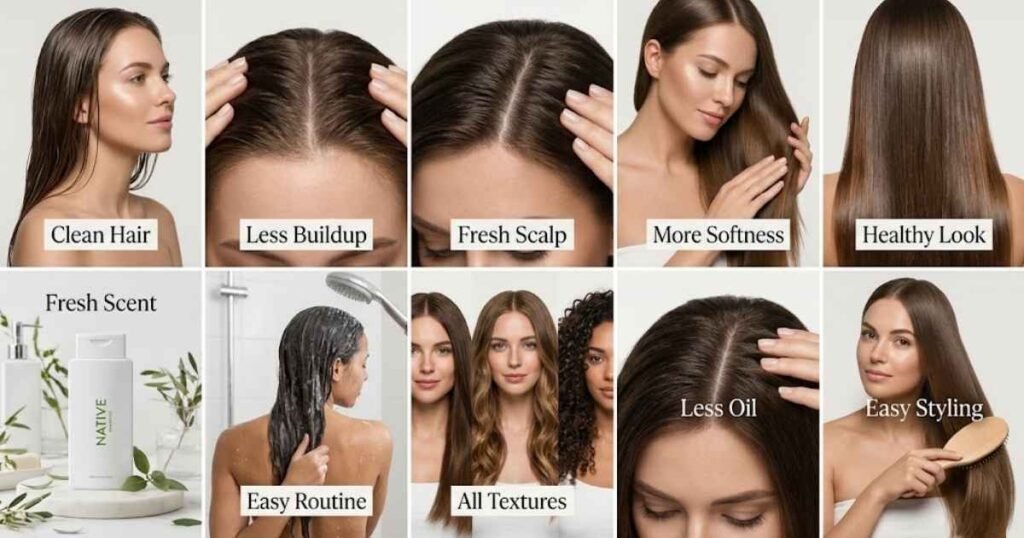
A well-matched shampoo can make your entire hair care routine easier. Here are some potential Is Native Shampoo Good for Your Hair benefits to consider:
1. Cleanses the Hair
Native shampoo helps remove everyday oil, dirt, sweat, and product residue. Regular hair cleansing can keep strands looking fresh.
2. Removes Scalp Buildup
Proper cleansing can help wash away excess oil and scalp buildup caused by styling products, sweat, and environmental debris.
3. Supports a Fresh Scalp
Clean hair starts at the roots. Regular shampooing can support overall scalp health when you use a formula that suits your scalp type.
4. Can Improve Hair Softness
Some formulas contain moisturizing ingredients that help hair feel smoother after washing.
5. Helps Maintain Healthy-Looking Hair
Clean, manageable strands can contribute to more healthy-looking hair and a fresher overall appearance.
6. Offers Different Fragrance Choices
Native shampoo fragrance is another reason some people enjoy the product. Different varieties provide different scent experiences.
7. Fits Into an Everyday Routine
For people who prefer straightforward Native shampoo for everyday use, it can become a convenient part of regular washing.
8. Works With Different Hair Textures
Depending on the formula, Native shampoo can work for straight, wavy hair, curly hair, and other textures when paired with suitable conditioning products.
9. Helps Control Excess Oil
The cleansing action can help remove excess oil from the roots. This may benefit people with an oily scalp.
10. Supports Better Hair Manageability
Clean hair often feels easier to style and manage. Your results will depend on your hair’s moisture level and overall condition.
Is Native Shampoo Good for Different Hair Types?
There’s no universal answer to whether Is Native Shampoo Good for Your Hair. Different hair types need different levels of cleansing and moisture.
| Hair Type | Potential Fit | What to Consider |
| Dry hair | Moderate | Follow with a moisturizing conditioner |
| Oily hair | Good | Focus on thorough scalp cleansing |
| Curly hair | Moderate | Protect moisture and follow with conditioner |
| Wavy hair | Good | Avoid over-cleansing |
| Damaged hair | Moderate | Pair with a restorative hair-care routine |
| Fine hair | Good | Avoid heavy products afterward |
| Normal hair | Good | Suitable for a simple cleansing routine |
Native Shampoo for Curly Hair
If you have curly hair, moisture matters. Curly strands can become dry more easily because natural scalp oils don’t always travel evenly down the hair shaft.
Is Native Shampoo Good for Your Hair for curly hair may work as a cleanser, but your routine shouldn’t stop there. Follow shampoo with a conditioner or moisturizing product to support softness, definition, and manageable hair texture.
Native Shampoo for Wavy Hair
Wavy hair needs balance. Too much cleansing can leave waves dry, while insufficient cleansing may create buildup and make them look flat.
Use an amount that cleans your scalp without aggressively scrubbing the lengths. A lightweight conditioner can help maintain smoothness without weighing waves down.
Native Shampoo for Dry and Damaged Hair
Dry and damaged hair usually needs more than cleansing. Heat styling, coloring, chemical treatments, and frequent washing can affect moisture and increase hair breakage.
So, is Native shampoo good for dry hair? It can work for some people, but your overall routine matters more than shampoo alone.
If You Have Dry or Damaged Hair:
- Wash with lukewarm water instead of very hot water.
- Focus shampoo mainly on your scalp.
- Avoid repeatedly scrubbing the hair lengths.
- Follow with a moisturizing conditioner.
- Use a leave-in product when extra moisture is needed.
- Limit frequent heat styling.
- Handle wet hair gently to reduce breakage.
For Native shampoo for damaged hair, think of shampoo as one step rather than the complete solution. Your conditioner, styling products, washing frequency, and heat habits all affect your results.
Does Native Shampoo Cause Dry Hair?
Does Native shampoo cause dry hair? Not necessarily. However, any cleansing formula can feel drying if it doesn’t match your hair or if you wash too frequently.
If your hair feels rough after shampooing, try using less product, washing less often, and adding more moisture afterward.
Native Shampoo for Oily Hair and Scalp
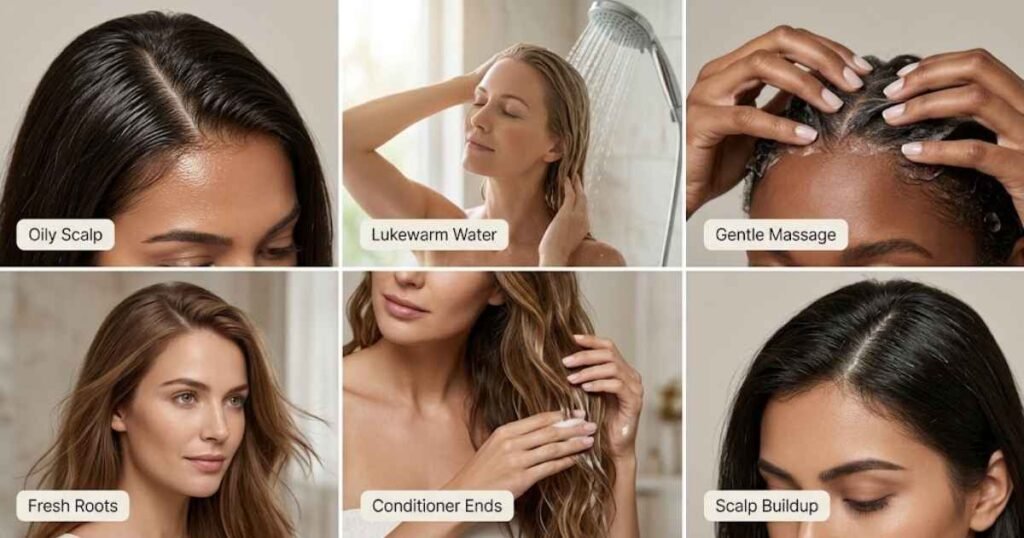
An oily scalp produces more sebum, which can make roots look greasy faster. In this situation, effective cleansing becomes especially important.
Native shampoo for oily hair may help remove excess oil and daily buildup while keeping the scalp feeling fresh. However, avoid aggressive over-washing because excessive cleansing can leave the scalp uncomfortable.
How to Use Native Shampoo for Oily Hair
- Thoroughly wet your hair with lukewarm water.
- Apply shampoo mainly to the scalp.
- Massage gently with your fingertips.
- Rinse thoroughly.
- Repeat only if your hair needs another cleanse.
- Apply conditioner mainly to the mid-lengths and ends.
If you struggle with persistent scalp buildup, flakes, itching, or unusual scalp changes, regular shampoo may not address the underlying issue.
The best approach is simple: choose your shampoo based on your scalp type while treating your hair lengths according to their needs. That balance can make Native shampoo for hair much more effective in your everyday routine.
Native Shampoo for Curly and Wavy Hair
Curly and wavy hair needs a careful balance between cleansing and moisture. Because natural oils don’t always travel evenly along textured strands, frequent washing can sometimes leave the lengths feeling dry.
Native shampoo for curly hair can fit into a routine when you choose a formula that doesn’t leave your strands feeling stripped. After cleansing, use a conditioner to support hair moisture, softness, and manageable hair texture.
For Native shampoo for wavy hair, the goal is similar. You want clean roots without flattening your natural pattern.
How to Use It for Textured Hair
- Apply shampoo mainly to your scalp.
- Massage gently with your fingertips.
- Let the suds rinse through the lengths.
- Avoid rough scrubbing that can increase frizz.
- Follow with a moisturizing conditioner.
- Detangle gently while the hair is damp.
- Limit washing if your curls become excessively dry.
If your curls feel rough after washing, your routine may need more moisture rather than more cleansing.
Must Read: Short Hair Hentai: 25+ Popular Anime Characters & Styles
Potential Drawbacks of Native Shampoo
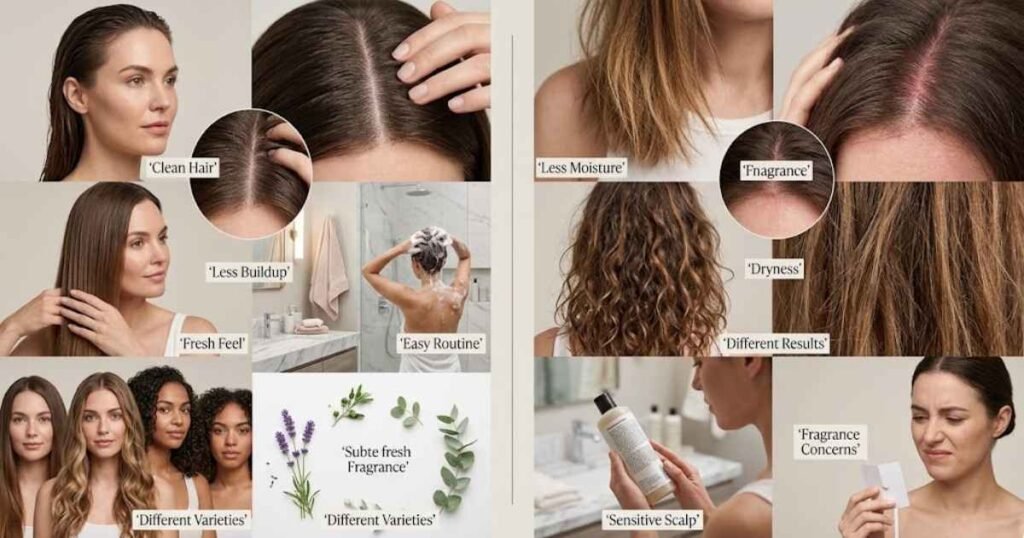
Every shampoo has strengths and limitations. Native shampoo pros and cons can also vary depending on your hair type, scalp type, and washing habits.
Potential Pros
- Convenient for everyday hair cleansing
- Multiple Native shampoo varieties are available
- Offers different fragrance options
- Helps remove excess oil and buildup
- Can leave hair feeling clean and refreshed
- Works for many normal-to-oily hair routines
Potential Cons
- Some formulas may not provide enough moisture for very dry hair.
- Fragrance may not suit everyone.
- Results can differ across hair textures.
- Frequent use may feel drying for some people.
- Very damaged hair may need more conditioning support.
- People with a sensitive scalp may need to check fragrance ingredients carefully.
Native shampoo side effects aren’t guaranteed, but any shampoo can cause dryness, irritation, or discomfort for someone who doesn’t tolerate a particular ingredient.
If you notice persistent itching, burning, redness, or unusual scalp changes, stop using the product and consider speaking with a dermatologist.
How to Use Native Shampoo for Best Results
The right technique can make a noticeable difference. Even a good formula won’t perform well if you use too much or scrub aggressively.
Follow These Simple Steps
- Wet your hair thoroughly with lukewarm water.
- Use a small amount of shampoo based on your hair length and density.
- Focus on the scalp rather than coating every strand.
- Massage gently using your fingertips.
- Rinse completely to remove cleanser and loosened buildup.
- Repeat if needed after heavy sweating or significant product buildup.
- Condition the lengths to support softness and moisture.
- Rinse well and gently squeeze out excess water.
How Often Should You Use Native Shampoo?
How often should you use Native shampoo? There’s no single schedule that works for everyone.
| Scalp Type | General Washing Approach |
| Oily scalp | Wash more frequently as needed |
| Normal scalp | Wash according to oil and buildup |
| Dry scalp | Avoid unnecessary frequent washing |
| Curly hair | Adjust frequency to preserve moisture |
| Fine hair | Wash based on oil and product buildup |
Your workout schedule, climate, styling products, and scalp condition can also affect washing frequency.
Native Shampoo vs. Other Popular Shampoos
Choosing between shampoos isn’t simply about which brand is more popular. The better option depends on your hair type, scalp type, ingredients, fragrance preferences, and cleansing needs.
| Feature | Native Shampoo | Moisturizing Shampoo | Clarifying Shampoo |
| Everyday cleansing | Good option | Good option | Usually not ideal |
| Removes excess oil | Yes | Moderate | Strong |
| Moisture support | Formula-dependent | Usually higher | Usually lower |
| Product buildup | Moderate | Mild to moderate | Strong |
| Dry hair | Depends on formula | Often better suited | Use sparingly |
| Oily scalp | Often suitable | May feel heavy | Often useful occasionally |
| Curly hair | Formula-dependent | Often preferred | Occasional use |
When comparing Native shampoo vs regular shampoo, look beyond the brand name. Is Native Shampoo Good for Your Hair depends on the shampoo ingredients and what your hair actually needs.
For example, someone with oily roots may prioritize cleansing ingredients. Someone with dry, frizzy curls may care more about moisturizing ingredients and gentle washing. That’s why Is Native Shampoo Good for Your Hair can have different answers for different people.
Tips for Choosing the Right Native Shampoo
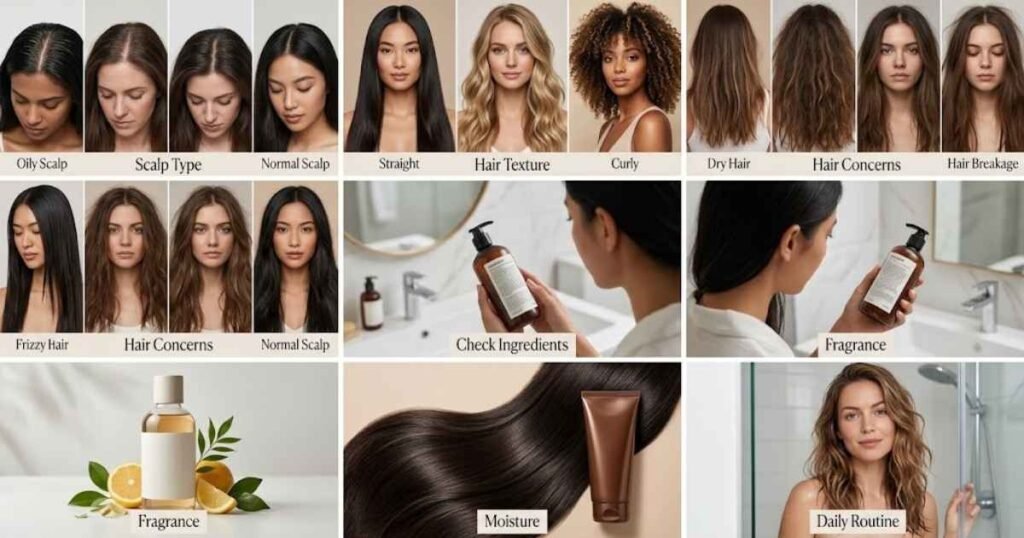
The best Native shampoo isn’t necessarily the most popular variety. If you’re wondering Is Native Shampoo Good for Your Hair, start by matching the formula to your hair and scalp needs.
1. Start With Your Scalp Type
Your scalp determines how often you need cleansing. Consider these simple guidelines:
- Oily scalp: Look for effective cleansing.
- Dry scalp: Prioritize a gentle routine.
- Sensitive scalp: Pay close attention to fragrance ingredients.
- Normal scalp: Choose based on your regular hair-care needs.
Understanding your scalp type can make it easier to decide Is Native Shampoo Good for Your Hair and whether it fits your routine.
2. Consider Your Hair Texture
Straight, wavy, and curly hair can respond differently to the same shampoo. Thicker or textured hair often needs more moisture after cleansing.
If your hair feels dry after washing, consider whether Is Native Shampoo Good for Your Hair depends on adding a richer conditioner or moisturizing treatment.
3. Think About Your Main Hair Concern
If you’re dealing with dry hair, frizzy hair, damaged hair, or hair breakage, shampoo alone won’t solve everything. Build a complete hair care routine around your specific concern.
This is especially important when deciding Is Native Shampoo Good for Your Hair based on your current hair condition.
4. Check the Ingredient List
Review the Native shampoo ingredients before buying. Look for ingredients that match your preferences and avoid anything you’ve previously found irritating.
Reading the label can also help you decide Is Native Shampoo Good for Your Hair before adding it to your regular routine.
5. Consider Fragrance
Native shampoo fragrance can influence your overall washing experience. If strong scents bother your scalp or senses, choose carefully.
For anyone with a sensitive scalp, fragrance preferences can influence whether Is Native Shampoo Good for Your Hair is the right choice.
6. Don’t Ignore Moisture
Clean hair should still feel comfortable afterward. If your strands feel tight or rough, add a conditioner or moisturizing treatment.
Keeping enough moisture in your routine can affect how well Is Native Shampoo Good for Your Hair works for your specific texture.
7. Match the Shampoo to Your Routine
If you need an everyday shampoo, choose something that cleans effectively without leaving your hair excessively dry.
Ultimately, Is Native Shampoo Good for Your Hair comes down to how well the formula matches your scalp, hair texture, and cleansing needs. The right option should keep your scalp clean while helping your lengths stay comfortable, manageable, and healthy-looking.
Native Shampoo for Sensitive Scalp
A sensitive scalp needs a little extra care when choosing shampoo. Native shampoo for sensitive scalp may work for some people, but fragrance and individual ingredient tolerance matter.
Before regular use, check the Native shampoo ingredients and pay attention to fragrance ingredients. If your scalp often feels itchy, tight, or irritated, choose products carefully.
If you’re still asking Is Native Shampoo Good for Your Hair, consider your scalp’s sensitivity before making a final decision.
Helpful Tips
- Use lukewarm water instead of hot water.
- Don’t scrub your scalp aggressively.
- Rinse shampoo thoroughly.
- Avoid using too much product.
- Stop using it if irritation develops.
Does Native Shampoo Cause Dry Hair?
Does Native shampoo cause dry hair? Not necessarily. However, any cleansing formula can make hair feel dry when it doesn’t match your needs.
Frequent washing, hot water, heat styling, and insufficient conditioning can also reduce hair moisture. If your strands feel rough after washing, adjust your routine before blaming the shampoo alone.
For Native shampoo for dry hair, pair cleansing with a moisturizing conditioner. This simple step can help improve softness and manageability.
When considering Is Native Shampoo Good for Your Hair, remember that your complete hair care routine also affects dryness.
Does Native Shampoo Help With Scalp Buildup?
Yes, regular hair cleansing can help remove oil, sweat, styling residue, and everyday scalp buildup. Native shampoo can support this process through its cleansing ingredients.
However, stubborn buildup may need a different approach. If your scalp still feels coated after washing, avoid repeatedly scrubbing it because that can cause unnecessary irritation.
A balanced washing schedule usually works better than aggressive cleansing. This can help you decide whether Is Native Shampoo Good for Your Hair based on your scalp’s cleansing needs.
Is Native Shampoo Good for Everyday Use?
Native shampoo for everyday use may suit people who need regular cleansing, especially when their scalp becomes oily quickly.
However, daily shampooing isn’t necessary for everyone. Your scalp type, activity level, climate, hairstyle, and product use all affect how often you should wash.
| Hair or Scalp Type | General Approach |
| Oily scalp | More frequent cleansing may help |
| Normal scalp | Wash when needed |
| Dry hair | Avoid unnecessary washing |
| Curly hair | Prioritize moisture retention |
| Fine hair | Watch for oil and buildup |
Your washing frequency can also influence Is Native Shampoo Good for Your Hair because over-cleansing may leave some hair types feeling dry.
Native Shampoo for Frizzy Hair
Frizz often appears when hair lacks moisture or becomes rough from heat, friction, or environmental exposure. Native shampoo for frizzy hair can be part of a routine, but shampoo alone won’t eliminate frizz.
Use a conditioner after cleansing and avoid rough towel drying. A leave-in conditioner can also help improve smoothness and manageability.
For better results, focus on maintaining hair moisture rather than simply washing more often. This balanced approach can make Is Native Shampoo Good for Your Hair a more useful question when building a routine for frizzy hair.
FAQ’s
Is Native shampoo suitable for everyday hair cleansing?
Is Native Shampoo Good for Your Hair depends on your scalp needs, washing frequency, and overall hair condition.
Can Native shampoo help with dry hair?
Is Native Shampoo Good for Your Hair may depend on moisture needs, conditioning habits, and your specific hair texture.
Does Native shampoo work well for oily scalps?
Is Native Shampoo Good for Your Hair can depend on how effectively its formula manages excess oil and buildup.
Is Native shampoo suitable for curly hair?
Is Native Shampoo Good for Your Hair varies with curl pattern, moisture needs, conditioning routine, and individual hair texture.
Can Native shampoo cause scalp dryness?
Is Native Shampoo Good for Your Hair depends on ingredients, washing frequency, scalp sensitivity, and how your hair responds.
Conclusion
Choosing a shampoo should start with your hair and scalp, not popularity alone. If Is Native Shampoo Good for Your Hair remains your question, the answer depends on your needs. Native shampoo can provide hair cleansing while fitting Native hair care routines. Still, dry hair, oily scalp, curly hair, and sensitive scalp may respond differently to the same formula.
Now you know what to consider before choosing Native shampoo for hair. Review the Native shampoo ingredients, consider its fragrance, and match the formula with your hair texture. The Native shampoo benefits can include clean roots, fresh strands, and easier everyday cleansing. However, Native shampoo pros and cons deserve attention. If Is Native Shampoo Good for Your Hair is still on your mind, start with your scalp type and washing habits. A good choice can support healthy-looking hair, softness, and comfortable scalp health without making your routine complicated.

HairVist is a helpful destination for hair care tips, hairstyle ideas, and beauty inspiration, managed by Ava Reynolds, an SEO content writer with 2 years of experience, focused on creating simple, useful, and engaging content that helps readers learn more about hair care and styling.
1 thought on “Is Native Shampoo Good for Your Hair? 10 Benefits, Ingredients & Tips”