

Laser Hair Removal offers a practical way to reduce unwanted hair and simplify your beauty routine. Laser Hair treatment uses focused light energy to target hair follicles beneath the skin. Many people choose Laser Hair for smoother skin, fewer razor bumps, and long-term hair reduction. Professional Laser Hair can treat areas such as the face, underarms, legs, bikini area, and back. Results vary, yet consistent treatment can make daily grooming much easier.
Before booking professional laser hair, you should understand the benefits, costs, preparation, and possible side effects. This guide covers essential facts about Laser Hair, including treatment areas, sessions, technology, aftercare, and expected results. You’ll also learn how skin tone and hair color can affect treatment. Whether you’re considering Laser Hair Removal near me or comparing prices in the USA, these insights can help you make a confident decision.
What Is Laser Hair Removal and How Does It Work?
Unwanted hair can turn a simple grooming routine into a recurring chore. Laser hair offers a longer-lasting approach by using concentrated light energy to target hair follicles beneath the skin. During a laser hair removal treatment, the device sends controlled pulses of light into the skin. The pigment in the hair absorbs that energy, which converts into heat and damages the follicle’s ability to produce new hair.
Unlike shaving, which only cuts hair at the skin’s surface, laser treatment works beneath the surface. That difference makes professional laser hair a popular choice for people who want smoother skin with less daily maintenance.
A typical treatment may include these steps:
- A consultation to assess your skin tone, hair color, and treatment goals.
- Preparation of the selected treatment area.
- Adjustment of the laser settings for your skin and hair characteristics.
- Controlled pulses of light delivered to individual areas.
- Cooling or soothing care to improve comfort afterward.
- Aftercare instructions to protect the treated skin.
Modern laser hair technology has also become more adaptable. Different systems can accommodate various skin tones and hair types when used correctly. Your provider may recommend a particular laser based on your complexion, hair pigment, treatment area, and previous response.
How Laser Hair Removal Targets Hair Follicles
The magic happens at the follicle, not on the surface. Laser energy travels through the skin and gets absorbed primarily by the pigment in the hair. The resulting heat disrupts the follicle without intentionally damaging the surrounding skin.
Your provider may use technologies such as:
- Diode hair removal for a broad range of skin and hair combinations.
- Alexandrite hair removal for suitable lighter skin tones and darker hair.
- Nd:YAG hair removal for deeper penetration and commonly for darker skin types.
- Cooling systems that help protect the skin and make treatment more comfortable.
The right hair removal machine matters, but the operator matters just as much. Proper settings, technique, and skin assessment can make a major difference in both comfort and results.
Is Laser Hair Removal Permanent?
Here’s where expectations matter. Laser hair isn’t usually considered a guarantee of permanent hair removal. Instead, it typically provides significant and lasting hair reduction.
After a complete treatment plan, many people experience much less hair growth. The remaining hairs may also appear finer, lighter, or less noticeable. Some follicles can become inactive for extended periods, while others may eventually produce new growth.
Hormonal changes can also influence results. For example, certain hormonal conditions or life stages may stimulate additional hair growth even after successful treatment.
So, when asking “is laser hair removal permanent?”, a more accurate answer is that it can provide substantial permanent hair reduction for many people rather than promising that every hair will disappear forever.
How Many Sessions Are Usually Needed?
One appointment rarely tells the whole story. Most people need multiple laser hairs removal sessions because follicles respond differently depending on their growth stage.
The exact number varies according to your:
- Hair color and thickness
- Skin tone
- Treatment area
- Hormonal factors
- Hair growth pattern
- Laser technology used
- Individual response to treatment
What Are the Benefits of Laser Hair Removal?
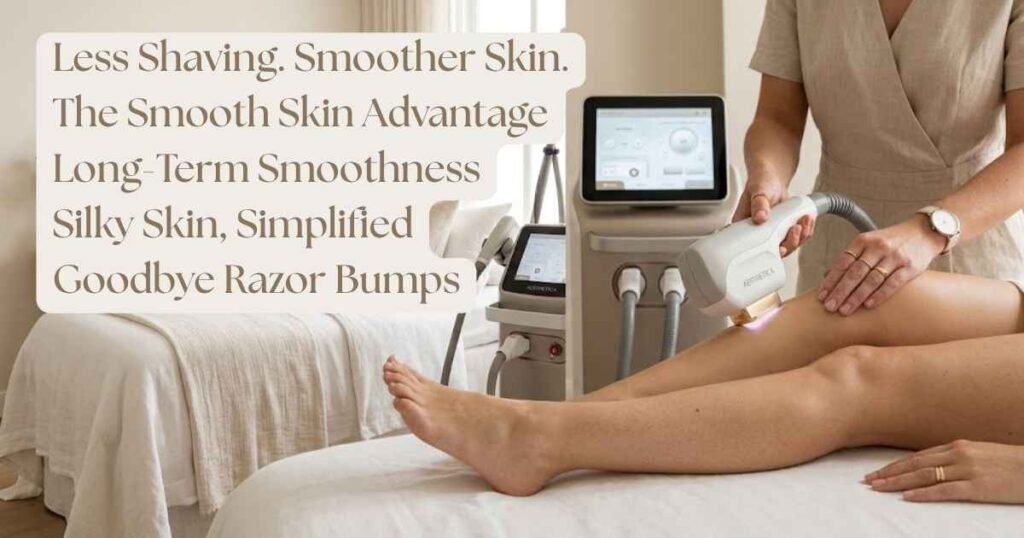
The appeal goes beyond simply removing unwanted hair. For many people, laser hairs removal benefits include less frequent shaving, fewer razor-related problems, and smoother-looking skin.
Depending on your goals, treatment can target areas such as:
- Facial hair
- Underarms
- Bikini area
- Brazilian area
- Legs
- Arms
- Back
- Chest
- Stomach
- Shoulders
- Buttocks
Long-Term Hair Reduction
The biggest advantage for many patients is long-term hair reduction. Instead of repeatedly cutting or pulling hair, laser treatment works directly on the follicles responsible for growth.
Over a series of treatments, hair can become noticeably less dense and slower to return. Some people eventually need only occasional maintenance instead of constant grooming.
This can make laser treatment particularly appealing for people dealing with persistent or coarse hair. It can also reduce the frustration associated with daily shaving.
Smoother Skin With Less Maintenance
Smooth skin often comes with a hidden price: time. Shaving, trimming, waxing, and other grooming methods require repeated effort.
Laser treatment can reduce that routine considerably.
After completing a treatment series, you may spend less time managing unwanted hair. You won’t necessarily need to reach for a razor every day. For busy schedules, that small change can feel surprisingly significant.
Still, realistic expectations matter. Laser treatment doesn’t make every person completely hair-free forever. Its primary goal remains substantial and lasting hair reduction.
Fewer Ingrown Hairs and Razor Bumps
If shaving leaves your skin covered in bumps, laser hair may offer another advantage. By reducing hair growth, treatment can reduce the repeated shaving that contributes to razor bumps and irritation.
People who frequently experience ingrown hairs may particularly appreciate this benefit. Fewer coarse hairs growing back can mean fewer opportunities for hairs to curl into the surrounding skin.
That said, laser treatment itself can temporarily cause laser hairs removal, skin irritation, redness, or mild swelling. These effects usually settle with appropriate care.
How Laser Hair Removal Compares With Shaving and Waxing
Each hair removal method has a different approach. Shaving cuts hair at the surface. Waxing pulls hair from the root. Laser treatment targets the follicle with controlled light energy.
| Method | How It Works | How Long Results Last | Maintenance |
| Shaving | Cuts hair at skin level | Usually a few days | Frequent |
| Waxing | Pulls hair from the root | Usually several weeks | Regular appointments |
| Laser hairs removal | Targets hair follicles with light energy | Long-term reduction | Periodic maintenance may help |
Shaving usually offers the quickest solution, but regrowth can appear rapidly. Waxing lasts longer, although it can be uncomfortable and requires the hair to reach a certain length.
How Much Does Laser Hair Removal Cost in the USA?
The laser hair removal cost in USA varies widely because clinics price treatments differently. Your location, treatment area, laser technology, provider experience, and number of sessions can all change the final bill.
When asking “how much does laser hairs removal cost?”, don’t focus only on the price of one appointment. Laser hair usually requires a series of treatments. Therefore, the total investment matters more than a single session.
Before booking, ask whether the quoted price includes the consultation, treatment, follow-up care, and maintenance sessions. A bargain can become less attractive when extra fees appear later.
Average Laser Hair Removal Cost by Treatment Area
The average laser hair cost depends heavily on the size and location of the area. Prices also differ between major metropolitan areas and smaller communities.
Typical treatment pricing may look something like this:
| Treatment Area | Approximate Cost Per Session |
| Upper lip | $50–$150 |
| Chin | $75–$200 |
| Full face | $150–$400 |
| Underarms | $100–$250 |
| Bikini | $100–$250 |
| Brazilian | $150–$350 |
| Full legs | $300–$700 |
| Arms | $200–$500 |
| Chest | $200–$500 |
| Back | $250–$600 |
| Full body | $500–$1,500+ |
These figures are broad estimates rather than fixed national rates. A clinic’s technology, location, expertise, and pricing model can push the cost higher or lower.
For example, face laser hair cost may seem inexpensive compared with full-leg treatment. However, facial areas can require ongoing maintenance because hormonal changes may stimulate additional growth.
Factors That Affect Laser Hair Removal Prices
Several variables influence laser hair prices beyond the treatment area.
Clinic location comes first. Treatment in New York City, Los Angeles, Miami, or another high-cost market may carry higher pricing than treatment in a smaller city.
The treatment area matters, too. A five-minute upper-lip appointment requires far less time and equipment than a full-body session.
Other important factors include:
- Number of sessions required
- Hair density and thickness
- Skin tone and hair color
- Type of laser used
- Provider experience
- Clinic reputation
- Treatment package discounts
- Maintenance appointments
- Geographic location
- Whether a consultation carries a separate fee
Your laser hair consultation should provide a clearer estimate. Ask for the complete expected treatment cost rather than simply asking for the lowest laser hair cost per session.
Package pricing can sometimes make treatment more affordable. Some clinics also advertise laser hair deals, financing, or laser hair payment plans.
Laser Hair Removal Cost for Full Body Treatment
Full body laser hair cost can vary considerably because “full body” doesn’t mean exactly the same thing at every clinic.
One provider might include the legs, arms, underarms, bikini area, stomach, chest, and back. Another may exclude the face or certain sensitive areas.
Full-body packages can range from roughly $500 to more than $1,500 per session, depending on the clinic and what’s included. A complete treatment course will cost more because several sessions are typically necessary.
If you’re comparing laser hair package prices, look beyond the headline discount. Check how many sessions the package includes, which areas qualify, and whether maintenance treatments cost extra.
A package isn’t automatically the best deal. The cheapest option can become expensive if the equipment or expertise doesn’t match your needs.
Does Insurance Cover Laser Hair Removal?
Coverage policies can vary depending on your plan and circumstances. If a healthcare professional recommends treatment for a specific medical reason, ask your insurer whether any exception applies.
Before scheduling treatment, contact your insurance company directly. You can also ask the clinic whether it offers financing or other payment options.
Which Areas Can Be Treated With Laser Hair Removal?

One reason laser treatment remains popular is its versatility. Providers can treat many areas of the face and body with appropriately selected equipment and settings.
Common laser hair treatment areas include:
- Face
- Upper lip
- Chin
- Neck
- Underarms
- Bikini area
- Brazilian area
- Legs
- Arms
- Chest
- Back
- Stomach
- Shoulders
- Buttocks
- Full body
Not every area receives identical treatment. Skin thickness, hair density, sensitivity, and hormonal influences can affect the treatment plan.
Laser Hair Removal for the Face
Facial laser hairs removal can target areas such as the upper lip, chin, jawline, sideburns, and neck. Because facial hair can respond differently from body hair, providers usually customize treatment settings carefully.
Upper lip laser hairs removal is particularly popular because shaving or waxing this small area repeatedly can become tedious.
Similarly, chin laser hairs removal can help reduce recurring coarse hairs. However, facial hair may require maintenance because hormonal fluctuations can trigger new growth.
If you’re considering full face laser hairs removal, discuss which areas the package actually covers. Some clinics exclude the forehead or certain parts of the face.
Underarm Laser Hair Removal
Underarm laser hairs removal offers a practical solution for people tired of frequent shaving. The area is relatively small, so appointments can be quick.
Over multiple sessions, many people experience slower and lighter regrowth. That means fewer shaving sessions and less irritation from repeated razor use.
Underarm skin can also become irritated from deodorant, shaving, or friction. Follow your provider’s laser hairs removal aftercare instructions carefully after treatment.
Bikini and Brazilian Laser Hair Removal
Bikini laser hairs removal focuses on the hair along the bikini line and surrounding area. Brazilian laser hairs removal typically covers a more extensive region.
These areas often contain coarse, pigmented hair, which can respond well to laser treatment. Still, sensitivity varies considerably from person to person.
Before your appointment, ask exactly which areas your provider includes. “Brazilian” can mean slightly different things between clinics.
If you’re researching Brazilian laser hairs removal cost, compare what each package includes rather than comparing prices alone.
Legs, Arms, Chest, Back, and Other Areas
Larger areas generally require more treatment time. Consequently, leg laser hairs removal, full leg laser hairs removal, back, chest, and full-arm treatments usually cost more than small-area appointments.
Providers can also treat areas such as the stomach, shoulders, and buttocks when appropriate.
For larger treatment areas, ask how long each appointment takes and whether the clinic uses a cooling system. Comfort can matter when you’re treating a substantial portion of the body.
Is Laser Hair Removal Safe for Different Skin Tones?
Modern hair removal technology can treat a wide range of skin tones. However, safety depends heavily on selecting appropriate equipment and settings.
The key issue involves melanin. Laser energy needs to target pigment in the hair while minimizing unwanted absorption by the surrounding skin.
That balance requires careful assessment.
A qualified provider should evaluate your skin tone, hair color, recent sun exposure, medications, and treatment history before starting. This is particularly important for people seeking hair removal for dark skin.
Does Laser Hair Removal Work on All Hair Colors?
Hair color plays a major role in how well hair removal works. The treatment relies on pigment, or melanin, in the hair to absorb laser energy. When the hair contains plenty of pigment, the laser can more easily identify and target the follicle.
That’s why hair removal for dark hair generally produces more predictable results than treatment for blonde, red, or gray hair.
However, hair color isn’t the only factor. Skin tone, hair thickness, growth cycle, laser wavelength, and treatment settings all influence the outcome. A skilled technician can assess these factors during your hair removal consultation and recommend the most suitable approach.
How to Prepare for a Laser Hair Removal Appointment
Good preparation can make your hair removal appointment smoother and safer. Think of it as preparing the runway before takeoff. The better the setup, the easier the treatment can proceed.
Your clinic should provide specific instructions based on your skin type, hair characteristics, and treatment area. Follow those instructions carefully because preparation can affect both comfort and results.
Should You Shave Before Laser Hair Removal?
In many cases, shaving shortly before treatment is recommended. Can you shave before hair removal? Usually, yes, and your provider may specifically ask you to do so.
Shaving removes visible hair above the skin while leaving the follicle beneath the surface. That allows the laser to target the follicle without having excess surface hair absorb unnecessary energy.
Your provider may recommend shaving roughly one day before treatment, although timing can vary.
Avoid shaving so aggressively that you create cuts or significant irritation. Fresh razor burns can make the treatment area more sensitive.
And yes, can you shave between hair removal sessions? Generally, shaving is the preferred way to manage regrowth between treatments. It doesn’t remove the follicle from the root.
What to Avoid Before Treatment
A few habits can interfere with treatment or make your skin more sensitive.
Before your appointment, your provider may recommend avoiding:
- Excessive sun exposure
- Tanning beds
- Self-tanning products
- Harsh exfoliation
- Irritating skincare products
- Certain topical treatments
- Heavy fragrances on the treatment area
hair removal sun exposure deserves particular attention. Recently tanned or sunburned skin may have a higher risk of irritation or pigmentation changes.
Use hair removal sunscreen recommendations from your provider and protect the treatment area from unnecessary UV exposure.
If you’re unsure what to do before hair removal, ask the clinic for written preparation instructions. A few minutes of preparation can prevent unnecessary complications.
Must Read: Haircuts for Thin Hair Men: 25 Best Styles for a Fuller Look
Why You Should Avoid Waxing and Plucking
Waxing and plucking remove hair from the root. That creates a problem because the follicle is the laser’s target.
If you remove the hair from the root shortly before treatment, the laser may have less pigment and structure to target effectively.
Therefore, avoid waxing, tweezing, threading, and similar root-removal methods before your treatment unless your provider tells you otherwise.
Can you wax while getting hair removal? Generally, no. Shaving is usually the better option between laser treatments because it leaves the follicle intact.
This distinction is important. Shaving cuts the hair. Waxing pulls it out. Laser treatment needs access to the follicle.
What to Tell Your Laser Technician
Honest communication helps your technician choose safer treatment settings. During your hair removal consultation, mention anything that could affect your skin’s response.
Tell your technician about:
- Recent sun exposure or tanning
- Current skin irritation
- Recent waxing or plucking
- Medications you’re taking
- Topical skincare products
- Previous laser treatments
- History of unusual pigmentation
- Previous reactions to hair removal
- Any changes affecting the treatment area
Don’t worry about asking too many questions. A reputable hair removal clinic should welcome them.
What Happens During a Laser Hair Removal Treatment?

Walking into your first laser hair removal treatment can feel a little mysterious. In reality, the process is usually straightforward. Your provider first assesses the treatment area, confirms your skin and hair characteristics, and then selects appropriate settings for the laser hair device.
During treatment, you’ll wear protective eyewear while the technician applies the laser to the selected area. The device delivers controlled pulses of light that target pigment in the hair follicle.
Afterward, the technician may apply a cooling product or recommend specific hair removal aftercare. You can typically return to normal activities quickly, although treated skin may look mildly flushed for a short time.
What to Expect During Your First Appointment
Your first visit usually starts with a hair removal consultation. This step matters because the same settings don’t work for everyone.
The technician may assess:
- Your skin tone and recent sun exposure
- Hair color, thickness, and density
- The treatment area
- Previous waxing, plucking, or laser treatments
- Skin sensitivity or irritation
- Your expected results
- The appropriate laser technology
Once everything looks suitable, the treatment area gets prepared. You may receive protective eyewear before the technician begins.
The laser then treats the area section by section. Smaller areas can be surprisingly quick. Larger areas naturally take longer.
Don’t hesitate to speak up if something feels unusually uncomfortable. Good professional hair removal involves communication rather than simply getting through the appointment.
How Long Does Each Session Take?
How long does hair removal take? It depends mainly on the size of the treatment area.
A small area such as the upper lip may take only a few minutes. Underarms can also be relatively quick. Larger areas, such as both legs or the back, require considerably more time.
Your clinic should give you a realistic estimate before treatment.
| Treatment Area | Typical Appointment Length |
| Upper lip | 5–10 minutes |
| Underarms | 10–20 minutes |
| Bikini area | 15–30 minutes |
| Brazilian area | 20–40 minutes |
| Full face | 20–40 minutes |
| Legs | 45–90 minutes |
| Back | 30–60 minutes |
| Full body | 2–4+ hours |
These are general estimates. Actual timing depends on the equipment, provider, hair density, and clinic’s treatment process.
What Are the Side Effects of Laser Hair Removal?
Like any cosmetic procedure, laser treatment can cause side effects. Fortunately, most reactions are temporary and mild when an appropriate device and treatment setting are used.
Understanding potential hair removal side effects helps you distinguish a normal response from something that deserves professional attention.
Common Temporary Side Effects
The most common reactions affect the surface of the skin. You may notice temporary redness after hair removal, mild swelling, warmth, or sensitivity around the treated follicles.
These reactions often resemble a mild sunburn and usually improve within a relatively short period.
Common temporary effects include:
- Redness
- Mild swelling
- Warmth or tenderness
- Temporary skin sensitivity
- Minor irritation around hair follicles
Following proper hair removal aftercare can help minimize discomfort.
Avoid excessive heat, friction, harsh skincare products, and unnecessary sun exposure immediately after treatment. Your provider should give you specific instructions based on your skin.
Rare Laser Hair Removal Complications
More serious complications are uncommon, but they can occur, particularly when inappropriate settings or poor technique are involved.
Potential complications include:
- Blistering
- Burns
- Crusting
- Persistent irritation
- Temporary or lasting pigmentation changes
- Hyperpigmentation after hair removal
- Hypopigmentation
- Changes in skin texture.
Laser Hair Removal Aftercare: What to Do After Treatment
Your skin has just received concentrated light energy. Treat it gently.
How to Care for Treated Skin
Immediately after treatment, your skin may feel warm or look slightly pink. A cool compress can sometimes provide relief when recommended by your provider.
For the first day or two, treat the area gently. Avoid unnecessary rubbing or scratching.
Your provider may recommend:
- Keeping the area clean and moisturized
- Using gentle skincare products
- Applying a cool compress when needed
- Avoiding excessive heat
- Avoiding harsh exfoliation temporarily
- Protecting the skin from direct sunlight
Don’t introduce aggressive products simply because you want faster results. Your skin needs calm, not chaos.
What Products Should You Avoid?
Immediately after treatment, avoid products that may irritate freshly treated skin.
Depending on the treatment area, your provider may ask you to temporarily avoid:
- Strong exfoliating acids
- Retinoid products
- Abrasive scrubs
- Fragranced products
- Harsh deodorants
- Strong active skincare ingredients
The exact restrictions depend on your skin and treatment area. When in doubt, ask your provider before applying a new product.
Laser Hair Removal vs. Waxing, Shaving, and Electrolysis
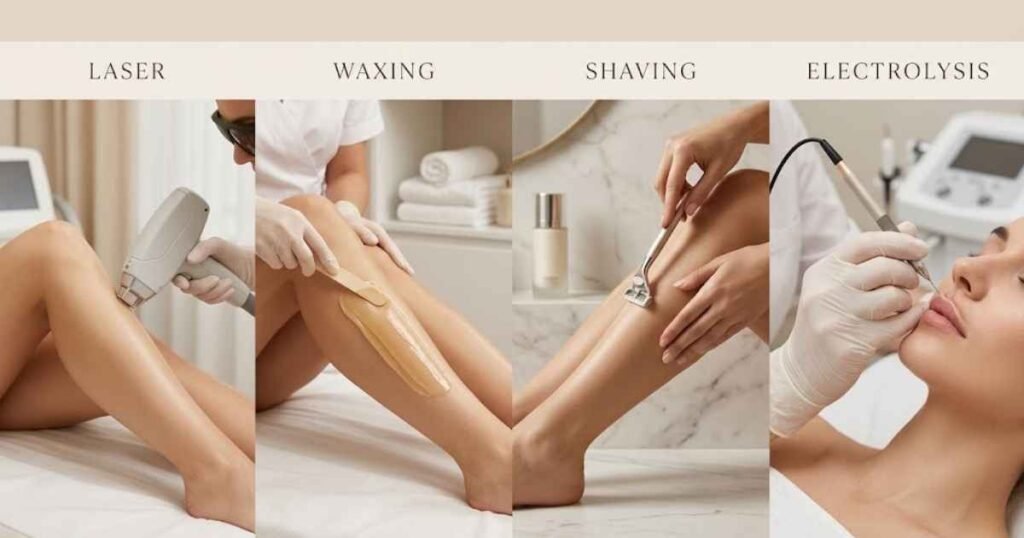
Choosing between different hair removal options depends on what you value most. Some methods provide instant results. Others require patience but can reduce long-term maintenance.
Laser Hair Removal vs. Waxing
Waxing physically pulls hair from the root. Results usually last longer than shaving, but the process must be repeated as hair grows back.
Laser treatment takes several appointments, yet it aims for lasting hair reduction rather than temporary removal.
Waxing may suit someone who wants occasional grooming without committing to a treatment series. Laser may appeal more to someone tired of repeating the same routine year after year.
One important distinction: waxing removes the hair from the follicle. Laser treatment needs the follicle as its target. Therefore, waxing and plucking are generally discouraged during a laser treatment plan.
Laser Hair Removal vs. Shaving
Shaving remains one of the simplest and least expensive ways to remove visible hair. You grab a razor, spend a few minutes grooming, and you’re done.
The catch? The result doesn’t last very long.
Laser treatment requires a greater upfront investment through multiple laser hair sessions. In return, it can significantly reduce future hair growth.
| Feature | Laser Hair Removal | Shaving |
| Initial cost | Higher | Low |
| Long-term hair reduction | Yes | No |
| Results duration | Long-term reduction | Usually short |
| Root targeted | Yes | No |
| Ingrown hair potential | May decrease over time | Can occur |
| Maintenance | Occasional treatments | Frequent shaving |
Laser Hair Removal vs. Electrolysis
Electrolysis works differently from laser treatment. It uses an electrical current to target individual hair follicles.
One major advantage of electrolysis is its ability to treat a broad range of hair colors, including hairs with little pigment. That can make it useful for blonde, gray, or certain red hairs that respond poorly to laser.
Laser treatment, by contrast, can treat larger areas more efficiently because it targets many follicles during each pulse.
The choice often comes down to your hair color, treatment area, desired timeline, budget, and tolerance for repeated appointments.
Who Is a Good Candidate for Laser Hair Removal?
Laser hair can be an excellent option if you’re tired of shaving, waxing, or constantly managing unwanted hair. However, the best candidate depends on your hair characteristics, skin tone, health history, and treatment goals. Modern hair removal technology has also made professional treatment suitable for a broader range of skin tones than older systems.
How to Choose a Laser Hair Removal Clinic in the USA
Choosing a laser hair clinic deserves the same care you’d give any professional skin treatment. The cheapest provider isn’t automatically the best value. A poorly selected clinic can cost you more through ineffective treatments, complications, or unnecessary sessions.
Look for a combination of qualified professionals, appropriate technology, transparent pricing, strong safety practices, and credible reviews.
20 Essential Facts to Know Before Laser Hair Removal
Hair removal can simplify your routine, but good results start with realistic expectations. Before booking an appointment, it helps to understand how treatment works, what affects results, and why professional care matters.
These 20 essential facts will help you approach your first session with confidence.
Fact 1: Results Vary by Person
Laser hair results aren’t identical for everyone. Hair color, hair thickness, skin tone, hormones, genetics, treatment area, and laser technology can all influence your outcome.
Some people notice a substantial reduction after a few sessions. Others need more treatments before the difference becomes obvious. Your provider should evaluate your individual characteristics instead of promising a universal result.
Fact 2: Multiple Sessions Are Usually Necessary
One treatment rarely provides complete hair reduction. Laser energy works most effectively when hairs are in the active growth phase.
Because different follicles enter that phase at different times, you need multiple laser hair sessions to target more of them.
Your provider can recommend a treatment schedule based on your hair growth pattern and treatment area.
Fact 3: Hair Growth Cycles Affect Results
Your laser hair hair growth cycle plays a major role in treatment success. Laser energy primarily targets follicles during the appropriate active growth stage.
Think of your follicles like people arriving at a train station at different times. One session catches some of them, while later sessions reach others.
That’s why spacing appointments appropriately matters.
Fact 4: Shaving Is Usually Preferred Before Treatment
Shaving is generally preferred before laser treatment because it leaves the follicle intact while removing excess surface hair.
Your provider may recommend shaving the area shortly before your appointment. Follow the clinic’s specific instructions because timing can vary depending on the treatment area and laser system.
Fact 5: Waxing Removes the Target From the Follicle
Waxing and plucking remove hair from the root. Laser treatment needs the follicle and its pigment to remain available as a target.
For that reason, you should generally avoid waxing, tweezing, threading, and similar root-removal methods during your treatment plan.
Shaving is different because it cuts the hair at the skin’s surface.
Fact 6: Sun Exposure Can Affect Treatment
Sun exposure can make laser treatment more complicated. Recently tanned or sunburned skin may have increased pigmentation, which can raise the risk of unwanted reactions.
Follow your provider’s instructions about laser hair sun exposure before and after treatment. Consistent laser hair sunscreen use can also help protect treated skin.
Fact 7: Skin Tone Matters When Choosing a Laser
Your skin tone helps determine which laser technology and settings may be appropriate. Modern devices can treat many different skin tones, but the approach should be customized.
For example, laser hair for dark skin often requires careful technology selection and conservative settings. Experienced providers may consider Nd:YAG technology when appropriate.
A consultation helps determine the safest strategy for your complexion.
Fact 8: Hair Color Can Affect Effectiveness
Laser treatment relies heavily on pigment in the hair. Darker hair generally provides a stronger target than very light hair.
Laser hair for blonde hair, red hair, or gray hair can therefore be more challenging with conventional laser systems.
If your hair contains little pigment, ask your provider whether laser treatment is likely to produce meaningful results. In some situations, another hair removal option may make more sense.
Fact 9: Treatment Areas Have Different Prices
Laser hair cost depends partly on the size and location of the treatment area.
A small upper lip takes considerably less time than both legs or a full-body appointment. Clinics may therefore charge different prices for facial, bikini, underarm, leg, back, and full-body treatments.
When comparing laser hair prices, look at the total treatment plan rather than only the cost of one session.
Fact 10: Maintenance May Be Necessary
Hair removal can provide substantial, long-term hair reduction, but it doesn’t guarantee that every treated follicle will remain inactive forever.
Hormonal changes, genetics, age, and other factors can contribute to future growth. Some people benefit from occasional laser hair maintenance treatments.
Think of maintenance as an occasional touch-up rather than starting the entire process again.
Fact 11: Treatments Can Feel Like Small Rubber-Band Snaps
Does laser hair hurt? The sensation varies, but many people describe each pulse as a quick rubber-band snap or tiny pinch.
Sensitive areas can feel more intense. Treatment settings, hair thickness, and individual pain tolerance also influence comfort.
The sensation is usually brief because each pulse lasts only a fraction of a second.
Fact 12: Cooling Technology Can Improve Comfort
Many professional systems include cooling features that help protect the skin and make treatment more comfortable.
Cooling may be delivered through the laser handpiece, a cooling spray, chilled air, or another method. The exact system depends on the device used by your provider.
If comfort concerns you, ask about the clinic’s cooling laser hair technology during your consultation.
Fact 13: Results Aren’t Always Immediate
Don’t expect perfectly smooth skin immediately after your first appointment. Laser hair works progressively.
Treated hairs may remain visible temporarily before they shed. Meanwhile, untreated follicles continue moving through their natural growth cycles.
That’s why when laser hair results appear is a gradual question rather than an overnight one.
Fact 14: Hair May Shed After Treatment
Some treated hairs gradually loosen and shed from the follicle after a session. This process can make it seem like hair is still growing when the follicles are actually releasing treated hairs.
Your provider may give you specific instructions about cleansing, shaving, and gentle skin care during this stage.
Avoid aggressive scrubbing or trying to pull hairs out from the root.
Fact 15: Some Regrowth Is Normal
Seeing some regrowth doesn’t automatically mean your treatment failed. Not every follicle responds during every appointment.
Hormonal changes can also stimulate new growth in certain areas. Over time, successful treatment often makes regrowth appear finer, lighter, slower, or less dense.
That gradual change is one of the key signs of long-term hair reduction.
Fact 16: Professional Treatment Is Different From At-Home Devices
Professional systems generally provide greater control over treatment settings and are operated by trained providers. At-home devices typically use lower energy levels and require consistent personal use.
The right choice depends on your goals, budget, treatment area, and comfort with self-treatment. If you’re seeking stronger, customized treatment, professional laser hair removal may offer advantages.
Fact 17: Proper Aftercare Matters
Your skin needs gentle treatment after a laser session. Good laser hair aftercare can help reduce irritation and support comfortable recovery.
Your provider may recommend:
- Gentle cleansing.
- Moisturizing the treated area.
- Avoiding excessive heat for a short period.
- Limiting sun exposure.
- Applying broad-spectrum sunscreen.
- Avoiding harsh exfoliants immediately after treatment.
- Following any personalized skincare instructions.
If your skin remains unusually irritated, contact your provider rather than experimenting with multiple products.
Fact 18: Not Every Laser Works Equally for Every Skin Type
Different laser wavelengths interact with skin and hair differently. That’s why laser hair technology matters.
Common professional systems include diode, Alexandrite, and Nd:YAG lasers. The best option depends on factors such as skin tone, hair pigment, hair thickness, and treatment area.
There isn’t one universal laser that’s perfect for everyone.
Fact 19: Choosing an Experienced Provider Matters
The machine alone doesn’t determine treatment quality. The person operating it matters, too.
An experienced provider understands how to assess your skin and hair, select appropriate settings, manage comfort, and recognize potential laser hair side effects.
When comparing a laser hair clinic, ask about provider qualifications, experience with your skin tone, equipment, safety protocols, and treatment approach.
A bargain appointment isn’t much of a bargain if poor technique leads to complications.
Fact 20: A Consultation Can Help Set Realistic Expectations
A laser hair consultation gives you an opportunity to ask questions before treatment begins.
Your provider can assess your skin and hair, discuss likely results, recommend an appropriate treatment schedule, explain preparation and aftercare, and review possible risks.
Use the appointment to ask practical questions such as:
- How many treatments might I need?
- What laser technology will you use?
- Is it suitable for my skin tone?
- How should I prepare?
- What side effects should I expect?
- How long should I wait between sessions?
- What maintenance might I need?
- What will the complete treatment plan cost?
The best consultation doesn’t promise perfection. It gives you a realistic roadmap.
FAQ’s
How long do laser hair removal results typically last?
Laser Hair can provide long-term reduction, though occasional maintenance treatments may support lasting results.
How many laser hair removal sessions do you need?
Most people need several Hair Removal sessions because follicles grow through different active phases.
Is laser hair removal painful?
Hair Removal may feel like quick rubber-band snaps, while cooling technology can improve overall comfort.
Can you get laser hair removal on your face?
Yes, Hair Removal can safely treat facial areas when suitable technology and settings are professionally selected.
How much does laser hair removal cost in the USA?
Hair Removal costs vary by area, provider, location, technology, and treatment package selected.
Conclusion
Laser Hair Removal can transform a time-consuming grooming routine into something far simpler. It offers long-term hair reduction without the constant cycle of shaving, waxing, or plucking. Still, successful treatment requires patience. Multiple sessions, suitable hair removal technology, proper preparation, and consistent aftercare all influence your results.
Before choosing a provider, consider more than hair removal cost. Look at experience, safety practices, treatment equipment, reviews, and personalized recommendations. A professional consultation can also clarify your expected results and maintenance needs. Whether you want facial hair removal, Brazilian hair removal, underarm treatment, or full body hair removal, the right approach matters. With realistic expectations and qualified professional care, Laser Hair Removal can help you enjoy smoother-looking skin and a more convenient beauty routine.

HairVist is a helpful destination for hair care tips, hairstyle ideas, and beauty inspiration, managed by Ava Reynolds, an SEO content writer with 2 years of experience, focused on creating simple, useful, and engaging content that helps readers learn more about hair care and styling.