
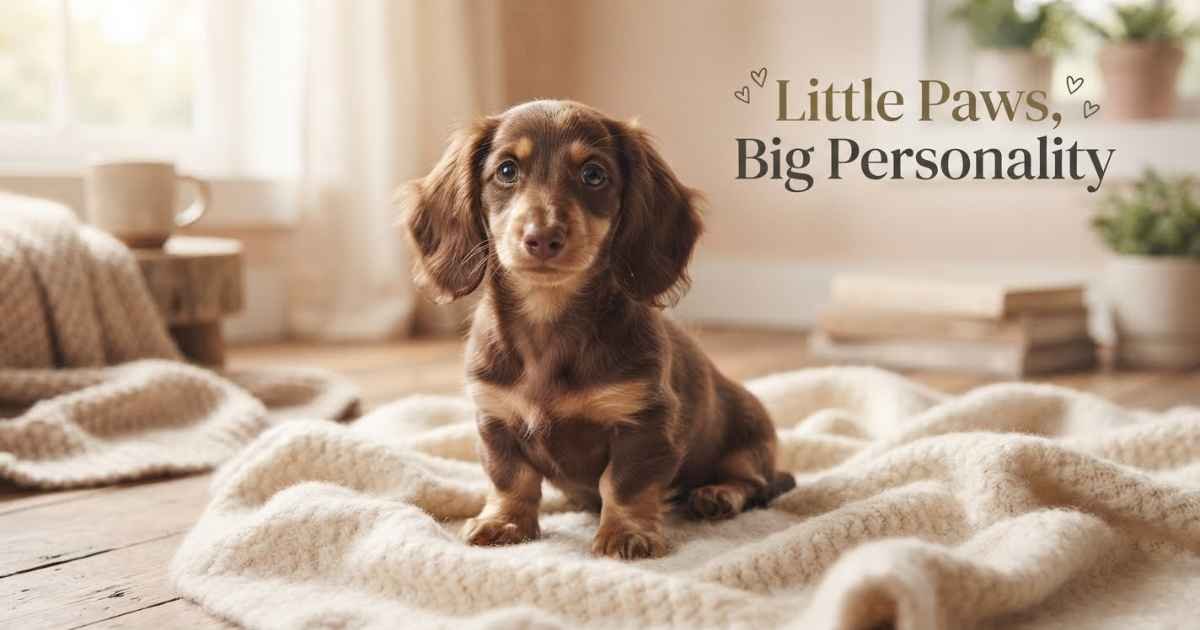
A Long Hair Mini Dachshund is a charming little companion with a silky coat, short legs, and a long body. Its feathered ears, fluffy tail, and playful nature make this miniature dog breed especially lovable. Whether you live in an apartment or a family home, this small companion dog can bring plenty of happiness. However, its beautiful coat needs regular brushing and proper care. Understanding its personality, grooming routine, diet, and health needs helps you become a responsible owner.
Choosing a Long Hair Mini Dachshund means welcoming a loyal and intelligent dog into your life. From mini dachshund coat colors to long haired dachshund grooming, every detail matters. You’ll also want to understand its exercise requirements, back health, training, and nutrition. With consistent attention and affection, your Long Hair Mini Dachshund can enjoy a comfortable and happy life.
What Is a Long Hair Mini Dachshund?
A Long haired miniature dachshund is a small, charming dog with a long body, short legs, and a beautiful flowing coat. This adorable variety combines the classic Dachshund shape with soft, silky hair that gives it an elegant appearance. Its feathered ears, fluffy tail, and affectionate personality make it especially popular among American dog lovers.
The Long haired miniature dachshund belongs to the Dachshund breed, originally developed in Germany for hunting small animals. Today, families appreciate these dogs as loyal companions rather than working hunters. Their small size also makes them suitable for many homes, including apartments and smaller living spaces.
Unlike the Smooth Coat Dachshund, this variety has longer hair around its ears, chest, legs, and tail. Its coat usually feels soft and slightly wavy, creating an attractive appearance without changing its distinctive body structure.
Key characteristics include:
- Breed type: Miniature Dachshund
- Origin: Germany
- Coat type: Long, silky, and feathered
- Body structure: Long back with short legs
- Personality: Affectionate, curious, intelligent, and independent
- Average weight: Usually under 11 pounds
- Average lifespan: Approximately 12–16 years
- Best suited for: Families, singles, couples, and apartment residents
A Long Hair Mini Dachshund can bring plenty of personality into a small package. However, its long coat and delicate back require consistent attention. Understanding its needs helps you provide a comfortable, healthy, and happy life.
Long Hair Mini Dachshund Appearance and Size
Small body, beautiful coat, and an unmistakable silhouette.
The Long Hair Mini Dachshund has an appearance that stands out immediately. Its elongated body, short muscular legs, and flowing coat create a distinctive look. Despite its small size, this dog carries itself with confidence and often behaves like a much larger breed.
Its long silky coat adds softness around the ears, chest, underside, and tail. Some dogs have slightly wavy hair, while others develop straighter, smoother coats.
How Big Does a Long Hair Mini Dachshund Get?
A healthy miniature Dachshund generally stays compact throughout adulthood. Breed size standards primarily use weight and chest circumference to distinguish miniature dogs.
| Physical feature | Typical measurement |
| Adult weight | 8–11 pounds |
| Adult height | Approximately 5–6 inches |
| Chest circumference | Usually around 12–14 inches |
| Body shape | Long and low |
| Leg structure | Short and muscular |
| Coat length | Medium to long |
| Growth period | Around 10–12 months |
These measurements provide general guidance rather than guaranteed adult sizes.
Distinctive Physical Features
The Long haired miniature dachshund has several recognizable characteristics:
- Long silky coat: Soft hair creates an elegant, flowing appearance.
- Feathered ears: Longer hair frames the face beautifully.
- Feathered tail: A fuller tail adds movement and charm.
- Expressive eyes: Dark, bright eyes create an alert expression.
- Long body: Its elongated torso gives the breed its signature silhouette.
- Short legs: Strong legs support its low-set body.
- Muscular chest: A well-developed chest reflects its original hunting background.
A Small Long Haired Dachshund may look delicate because of its flowing hair. Nevertheless, it has a surprisingly sturdy personality and athletic instincts.
How Much Does a Long Hair Mini Dachshund Weigh?
Most adult miniature Dachshunds weigh between 8 and 11 pounds. Their compact size makes transportation and everyday handling relatively easy.
However, maintaining a healthy weight matters because extra pounds increase pressure on their long backs. Your veterinarian can recommend an appropriate weight range based on your dog’s body condition and overall health.
Long Hair Mini Dachshund Coat Colors and Patterns
One of the most exciting things about the Long haired miniature dachshund is its beautiful range of coat colors. From rich chocolate shades to creamy blondes, these dogs come in several attractive combinations.
Their colors depend on Dachshund coat genetics, which influence pigmentation and pattern development. Some puppies develop solid-colored coats, while others display striking markings.
Popular Mini Dachshund Coat Colors
Common colors and their distinctive appearances
| Coat color | Appearance |
| Red | Warm reddish-brown coat with a rich appearance |
| Black and tan | Black body with tan markings around the face and legs |
| Chocolate and tan | Deep brown coat with lighter tan points |
| Cream | Pale ivory or golden-cream coloring |
| Sable | Dark-tipped hairs over a lighter base |
| Isabella | Soft, diluted chocolate coloring |
| Blue and tan | Grayish-blue coat with tan markings |
| Wild boar | Mixed dark and lighter hairs |
Popular Dachshund Coat Patterns
Patterns that give every puppy a distinctive appearance
- Dapple Dachshund: Features lighter patches across a darker base coat.
- Sable Dachshund: Displays darker hair tips over lighter-colored hair.
- Brindle: Shows darker stripes across a lighter background.
- Piebald: Has noticeable white areas combined with another coat color.
- Solid red: Features an attractive, consistent reddish shade.
Are Certain Colors More Expensive?
Yes, some colors and patterns may influence puppy prices. However, responsible breeding, health testing, pedigree, and breeder reputation matter more.
For example, a Cream Miniature Dachshund may attract buyers because of its soft, elegant appearance. Meanwhile, red and black-and-tan puppies remain popular choices.
Remember that unusual coloring doesn’t automatically mean better health or quality. In particular, responsible breeders should understand the health risks associated with certain genetic combinations, including double-dapple breeding.
Long Hair Mini Dachshund Personality and Temperament

Don’t let its small body fool you. The Long haired miniature dachshund has a bold personality that often fills an entire room.
These dogs combine affection, curiosity, intelligence, and independence. They enjoy spending time with their owners but also have a naturally adventurous side. Their hunting background explains why they love exploring interesting smells and investigating unfamiliar places.
Common Personality Traits
Here are some qualities that make this little companion so lovable:
- Affectionate: Enjoys cuddling and spending time with familiar people.
- Loyal: Often develops a particularly strong connection with its family.
- Intelligent: Learns routines and commands with consistent training.
- Curious: Loves exploring new surroundings and interesting scents.
- Playful: Enjoys toys, games, and interactive activities.
- Protective: Often alerts owners when strangers approach.
- Independent: Sometimes prefers following its own ideas.
- Vocal: May bark when excited, bored, or suspicious.
Are Long Haired Mini Dachshunds Affectionate?
Absolutely! Many owners describe the Long haired miniature dachshund as a loving companion that enjoys staying close to its favorite people.
Some happily curl up beside you during movie nights. Others follow their owners from room to room like tiny shadows.
However, their attachment can sometimes develop into separation anxiety. Gradually teaching your puppy to spend short periods alone helps encourage independence.
Are Long Hair Mini Dachshunds Good With Children?
They can make wonderful family companions when children understand how to handle small dogs gently.
Keep these safety tips in mind:
- Teach children not to pull their ears or tail.
- Never allow rough play or jumping on the dog’s back.
- Supervise interactions with toddlers and younger children.
- Give your dog a quiet place to rest.
- Teach children to respect feeding and sleeping time.
A Long haired miniature dachshund generally does best with patient children who understand animal boundaries. Early dog socialization also helps it become comfortable around different people and pets.
Long Hair Mini Dachshund Grooming and Coat Care
That beautiful flowing coat needs regular attention to stay soft and manageable. Fortunately, Long haired miniature dachshund Grooming becomes easier when you establish a simple weekly routine.
Compared with a Smooth Coat Dachshund, this variety needs more brushing because its longer hair can develop tangles. Pay particular attention to the ears, chest, belly, and feathered tail.
How Often Should You Groom a Mini Dachshund?
Brush your Long haired miniature dachshund around three to four times weekly. Daily brushing may help dogs with thicker coats or frequent tangles.
| Grooming task | Recommended frequency |
| Coat brushing | 3–4 times weekly |
| Bathing | Every 4–6 weeks or when needed |
| Ear cleaning | Weekly inspection |
| Nail trimming | Every 3–4 weeks |
| Tooth brushing | Ideally daily |
| Professional grooming | Every 6–8 weeks if needed |
| Coat inspection | Several times weekly |
Essential Long Haired Dachshund Grooming Tips
1. Brush the Coat Regularly
Use a soft slicker brush or suitable dog comb to remove loose hair. Work gently around feathered areas because the hair behind the ears and legs tangles easily.
2. Keep the Ears Clean
Long, feathered ears can collect dirt and moisture. Check them regularly and use a veterinarian-approved ear cleaner when necessary.
3. Bathe When Necessary
Use a gentle dog shampoo designed for sensitive skin. Rinse thoroughly because leftover shampoo can irritate the skin.
4. Trim Overgrown Hair
A professional groomer can tidy the feet, sanitary areas, and uneven feathering. Avoid unnecessary shaving because the long coat provides natural protection.
5. Maintain Healthy Nails
Long nails can affect walking comfort and posture. Trim them regularly or ask a professional groomer for help.
Do Long Hair Mini Dachshunds Shed a Lot?
Yes, the Long haired miniature dachshund sheds moderately throughout the year. Seasonal changes may increase shedding during certain periods.
Regular brushing helps remove loose hair before it spreads across furniture, carpets, and clothing.
Are long haired Dachshunds hypoallergenic? No. Their shedding and skin dander can trigger allergies in sensitive individuals. Their beautiful coats don’t make them allergy-friendly dogs.
Best Diet and Nutrition for Mini Dachshunds
Good nutrition supports healthy growth, strong muscles, and a beautiful coat. Your Long haired miniature dachshund needs balanced meals that provide appropriate calories, protein, fats, vitamins, and minerals.
Because miniature Dachshunds have small bodies, portion control matters. Even a little extra food can contribute to unwanted weight gain.
What Should You Feed a Miniature Dachshund?
Choose a complete and balanced small-breed dog food that suits your dog’s age and activity level.
| Life stage | Recommended food |
| Puppy | Complete small-breed puppy formula |
| Adult | Balanced adult small-breed dog food |
| Senior | Senior formula based on health and activity |
| Sensitive stomach | Veterinarian-recommended digestive formula |
Important Nutrients for Healthy Development
Your dog’s meals should contain:
- Protein: Supports muscle development and tissue repair.
- Healthy fats: Provide energy and support skin health.
- Omega-3 fatty acids: Help maintain healthy skin and coat.
- Calcium and phosphorus: Support healthy bones and teeth.
- Fiber: Helps maintain normal digestion.
- Vitamins and minerals: Support overall body functions.
How Much Should You Feed a Mini Dachshund?
The correct portion depends on age, weight, activity, and food calorie content. Follow the feeding instructions on your dog’s food package and adjust portions with veterinary guidance.
Helpful feeding habits include:
- Divide adult meals into two daily servings.
- Feed puppies according to their age and veterinary advice.
- Measure portions instead of estimating them.
- Limit high-calorie treats.
- Provide fresh drinking water throughout the day.
- Monitor body condition and weight regularly.
What Should You Avoid Feeding?
Certain everyday foods can seriously harm dogs. Keep these items away from your Long haired miniature dachshund:
- Chocolate
- Grapes and raisins
- Onions and garlic
- Xylitol-containing products
- Alcohol
- Caffeinated drinks
- Cooked bones that can splinter
A nutritious diet also supports coat quality. However, supplements aren’t necessary for every dog. Ask your veterinarian before introducing them.
Long Hair Mini Dachshund Exercise and Activity Needs

Although the Long haired miniature dachshund looks like a relaxed lapdog, it still needs regular physical activity. Its hunting ancestry gives it plenty of curiosity and energy.
Daily exercise helps maintain a healthy weight, support muscle strength, and prevent boredom. The key is choosing activities that protect its long back.
How Much Exercise Does a Mini Dachshund Need?
Most healthy adult miniature Dachshunds benefit from approximately 30–60 minutes of daily activity. Divide this time into shorter walks and gentle play sessions.
Puppies need shorter, age-appropriate activities rather than forced or prolonged exercise.
Best Activities for Mini Dachshunds
| Activity | Main benefit |
| Short daily walks | Supports fitness and healthy weight |
| Gentle indoor games | Provides physical activity |
| Sniffing games | Encourages natural hunting instincts |
| Puzzle toys | Keeps the mind active |
| Supervised backyard play | Offers safe exploration |
| Basic obedience games | Strengthens training skills |
Exercise Safety Tips
The Long Hair Mini Dachshund has a long spine that needs extra protection. Choose controlled activities instead of exercises that involve repeated jumping.
Follow these precautions:
- Avoid jumping from sofas, beds, and high furniture.
- Discourage climbing steep stairs when possible.
- Use a comfortable harness for walks.
- Maintain a healthy body weight.
- Avoid excessive exercise during hot weather.
- Supervise outdoor activities around larger dogs.
- Stop activities if your dog shows discomfort.
Swimming may provide gentle exercise for some Dachshunds. However, never assume every dog naturally swims well. Use close supervision and appropriate flotation equipment when needed.
ALSO READ: Wash and Wear Haircuts for Over 70 With Thin Hair
Common Health Problems in Mini Dachshunds
Every dog deserves a healthy, comfortable life, and the Long haired miniature dachshund is no exception. Although this breed can live for many years, its unique body structure creates certain health concerns.
The biggest concern involves its long spine and short legs. Responsible breeding, healthy nutrition, regular exercise, and preventive veterinary care can help reduce several risks.
1. Intervertebral Disc Disease (IVDD)
Intervertebral disc disease (IVDD) is one of the most important health concerns in the Dachshund breed. It occurs when spinal discs degenerate or become displaced, potentially putting pressure on the spinal cord.
Possible warning signs include:
- Back or neck pain
- Reluctance to walk or move
- Crying when picked up
- Weakness in the legs
- Unusual posture
- Difficulty walking or paralysis in severe cases
Sudden weakness, severe pain, or difficulty walking requires urgent veterinary attention.
2. Obesity
Extra weight puts additional pressure on a Dachshund’s already vulnerable spine. Overfeeding and limited exercise can increase this risk.
Maintain healthy portions and encourage regular, gentle activities.
3. Dental Problems
Small dog breeds can develop plaque, tartar, gum inflammation, and tooth loss. Daily brushing with dog-safe toothpaste helps maintain oral health.
Regular dental examinations also help detect problems early.
4. Ear Infections
The long, feathered ears of a Long Hair Mini Dachshund can trap moisture and dirt.
Watch for:
- Frequent head shaking
- Scratching around the ears
- Unpleasant ear odor
- Redness or discharge
Contact your veterinarian if these symptoms appear.
5. Eye Conditions
Some Dachshunds can develop eye conditions such as cataracts and progressive retinal atrophy. Regular veterinary examinations help identify potential vision problems.
6. Skin Allergies
Environmental allergens, fleas, and certain food sensitivities may cause skin irritation.
Common signs include excessive scratching, redness, hair loss, and repeated licking.
7. Patellar Luxation
This condition occurs when the kneecap moves out of its normal position. Some affected dogs develop limping or an unusual walking pattern.
A veterinarian can recommend appropriate treatment based on severity.
Mini Dachshund Health Problems at a Glance
| Health concern | Common symptoms | Helpful prevention |
| IVDD | Back pain, weakness | Weight control and back protection |
| Obesity | Excess body weight | Measured meals and exercise |
| Dental disease | Bad breath, tartar | Regular tooth brushing |
| Ear infections | Scratching, redness | Routine ear inspections |
| Eye conditions | Cloudiness, vision changes | Regular eye examinations |
| Skin allergies | Itching, irritation | Parasite control and veterinary care |
| Patellar luxation | Limping, skipping steps | Veterinary screening |
How Can You Protect Your Mini Dachshund’s Health?
A few consistent habits can make a meaningful difference:
- Schedule regular veterinary checkups.
- Maintain a healthy body weight.
- Brush teeth with dog-safe toothpaste.
- Keep ears clean and dry.
- Follow the recommended vaccination schedule.
- Discuss appropriate screening with your veterinarian.
- Consider pet insurance for Dachshunds.
- Use ramps or steps designed for safe furniture access.
Good preventive care doesn’t guarantee a disease-free life. However, it gives your Long haired miniature dachshund a stronger foundation for long-term health.
Long Hair Mini Dachshund Lifespan and Life Expectancy
One lovely advantage of owning a Long haired miniature dachshund is the possibility of enjoying many years together. These little companions often remain playful and affectionate well into their senior years.
The average miniature Dachshund lifespan ranges from approximately 12 to 16 years. Some dogs live longer when genetics, nutrition, preventive healthcare, and daily habits work in their favor.
How Long Do Long Haired Miniature Dachshunds Live?
Most healthy miniature Dachshunds can live around 12–16 years. Individual life expectancy varies because every dog has different genetics and health needs.
| Life stage | Approximate age |
| Puppy | Birth to 12 months |
| Young adult | 1–3 years |
| Mature adult | 4–7 years |
| Senior | 8–10 years |
| Older senior | 11 years and above |
These stages provide general guidance rather than strict medical categories.
Factors That Influence Life Expectancy
Several everyday factors can affect how long your Long Hair Mini Dachshund lives.
1. Genetics: Puppies from responsible breeders may have better opportunities for healthy development.
2. Nutrition: Balanced meals help maintain healthy muscles and body weight.
3. Exercise: Regular movement supports fitness without placing unnecessary stress on the spine.
4. Dental Care: Healthy teeth and gums contribute to better overall well-being.
5. Veterinary Checkups: Routine examinations help identify developing health problems.
6. Safe Living Environment: Preventing falls and unnecessary jumping helps protect the dog’s back.
Signs Your Dachshund Is Entering Its Senior Years
As your dog gets older, you may notice:
- Longer sleeping periods
- Reduced activity levels
- Gray hair around the muzzle
- Stiffness after resting
- Changes in appetite
- Reduced hearing or eyesight
- Greater sensitivity to cold weather
Senior dogs may need dietary adjustments and more frequent veterinary examinations.
With thoughtful care, your Long Hair Mini Dachshund can remain a loving family companion for many wonderful years.
Long Hair Mini Dachshund Training and Socialization

Training a Long Hair Mini Dachshund can be entertaining, challenging, and incredibly rewarding. These intelligent dogs learn quickly, but their independent personality sometimes makes them selective listeners.
Their hunting background encourages curiosity and determination. Therefore, patient training works much better than harsh corrections.
Are Miniature Long Haired Dachshunds Easy to Train?
They can learn basic commands and household routines with consistency. However, some puppies take longer to master certain behaviors, especially house training.
Positive reinforcement training is particularly useful because it rewards desirable behavior through treats, praise, and play.
Essential Training Commands
Start with simple commands before introducing more complicated activities.
| Command | Purpose |
| Sit | Encourages calm behavior |
| Stay | Builds patience and self-control |
| Come | Improves recall |
| Down | Encourages relaxation |
| Leave it | Prevents unwanted grabbing |
| Drop it | Helps release objects safely |
| Quiet | Helps manage excessive barking |
Important Training Tips
1. Start Early
Begin basic Dachshund puppy training as soon as your puppy settles into its new home. Keep lessons short and enjoyable.
2. Reward Good Behavior
Use small treats, praise, and toys to encourage positive habits. Rewards help your puppy understand what you expect.
3. Establish a Potty Routine
Take your puppy outside after waking, eating, playing, and sleeping. Consistency makes house training easier.
4. Introduce New Experiences
Early dog socialization helps your puppy become comfortable around different people, sounds, animals, and environments.
5. Prevent Excessive Barking
Teach your dog to respond calmly to doorbells, visitors, and outdoor noises. Reward quiet behavior instead of shouting.
6. Address Separation Anxiety
Practice short periods of independence and gradually increase the time. Provide safe toys and comfortable resting spaces.
Common Training Challenges
The Long Hair Mini Dachshund may develop a few habits that require extra patience.
- Stubborn behavior: Use consistent commands and positive rewards.
- Excessive barking: Identify triggers and reward quiet responses.
- Digging: Provide appropriate digging games or designated play areas.
- Separation anxiety: Build independence gradually.
- House training difficulties: Follow a predictable outdoor bathroom schedule.
- Leash pulling: Practice walking calmly with a comfortable harness.
Never punish your puppy for accidents or fearful behavior. Gentle guidance creates better long-term results.
Long Hair Mini Dachshund Price and Ownership Costs
Before bringing home a Long Hair Mini Dachshund, consider the financial commitment involved. The purchase price represents only one part of responsible dog ownership.
Food, grooming, veterinary visits, training, and unexpected medical expenses can add up over time. Planning ahead helps you provide consistent care without financial surprises.
How Much Does a Long Hair Mini Dachshund Cost?
In the United States, a puppy from a responsible breeder may cost approximately 1,500–3,500 or more. Prices vary depending on location, pedigree, breeder reputation, health testing, and coat characteristics.
Adoption usually costs considerably less.
| Purchasing option | Estimated US cost |
| Responsible breeder | 1,500–3,500+ |
| Rescue organization | 150–500 |
| Animal shelter | 50–300 |
| Initial supplies | 150–400 |
These figures are general estimates rather than guaranteed current prices.
Monthly Ownership Expenses
After purchasing your puppy, expect ongoing expenses.
| Expense | Estimated monthly cost |
| Dog food | 25–60 |
| Grooming | 20–60 |
| Preventive healthcare | 15–40 |
| Toys and accessories | 10–25 |
| Pet insurance | 25–60 |
| Treats | 10–20 |
Your actual expenses may differ depending on location, service providers, insurance coverage, and your dog’s needs.
Additional Costs to Consider
Some expenses occur only occasionally but deserve a place in your budget.
- Initial veterinary examination
- Puppy vaccinations and boosters
- Microchipping
- Spaying or neutering
- Professional dental cleaning
- Emergency veterinary treatment
- Training classes
- Boarding or pet sitting
Is a Long Hair Mini Dachshund Expensive to Maintain?
The Long Hair Mini Dachshund has manageable food requirements because of its small size. However, grooming and potential spinal health expenses deserve consideration.
Pet insurance may help with eligible unexpected veterinary bills. Compare exclusions, waiting periods, deductibles, and coverage limits before choosing a policy.
Responsible ownership means preparing for both everyday expenses and unexpected situations.
How to Find a Healthy Mini Dachshund Puppy
Bringing home a puppy is exciting, but choosing the right breeder matters. A healthy Long Hair Mini Dachshund starts with responsible breeding, proper early care, and appropriate health screening.
Whether you want a family companion or a playful little friend, take time to research your options.
Where Can You Find Long Haired Mini Dachshund Puppies?
You can explore several reliable options when searching for your new companion.
1. Responsible Dog Breeders
Look for breeders who understand Dachshund coat genetics, temperament, and inherited health conditions. Responsible breeders prioritize puppy welfare instead of producing as many litters as possible.
2. Dachshund Rescue Organizations
Breed-specific rescues sometimes have miniature long-haired Dachshunds available for adoption. This option can give an adult dog another opportunity for a loving home.
3. Animal Shelters
Local shelters and adoption groups occasionally receive Dachshund puppies and adult dogs. Check their listings regularly because availability changes.
4. Veterinary Recommendations
Your veterinarian may know reputable breeders or established Dachshund rescue organizations in your area.
Questions to Ask a Breeder
Before purchasing a puppy, ask these important questions:
- Can I meet the puppy’s mother?
- Have the parents received appropriate health screenings?
- What vaccinations has the puppy received?
- Has the puppy received regular veterinary examinations?
- What food is the puppy currently eating?
- Can you provide health records?
- How do you socialize your puppies?
- Do you provide written health and purchase agreements?
A trustworthy breeder should welcome reasonable questions and explain their breeding practices.
Signs of a Healthy Mini Dachshund Puppy
Look for these positive signs before making your decision.
- Bright, clear eyes without unusual discharge.
- Clean ears without unpleasant odors.
- A soft, healthy-looking coat.
- Comfortable movement without obvious limping.
- Alert and curious behavior.
- Clean skin without visible irritation.
- Healthy appetite and normal activity.
- Appropriate vaccination and veterinary records.
Important Red Flags to Avoid
Be cautious if a seller:
- Refuses to show where puppies live.
- Cannot provide veterinary documentation.
- Offers unusually low prices without a reasonable explanation.
- Pressures you into immediate payment.
- Avoids questions about parental health.
- Offers puppies that appear weak or unwell.
- Advertises unusual colors without discussing potential genetic risks.
Long Hair Mini Dachshund Adoption
Adoption is another wonderful way to welcome this breed into your home. Some rescue organizations have puppies, young adults, and senior Dachshunds looking for permanent families.
Before adopting, ask about the dog’s medical history, behavior, previous living arrangements, and specific care requirements.
A Long Hair Mini Dachshund from a shelter can become just as affectionate and loyal as a puppy from a breeder. What matters most is finding a dog whose needs match your lifestyle.
Is a Long Hair Mini Dachshund Right for Your Family?

A Long Hair Mini Dachshund can make a wonderful companion, but its personality and care requirements aren’t suitable for every household.
These dogs enjoy attention, companionship, and interactive play. They can adapt to different living environments when their families provide enough exercise, training, and affection.
Why Families Love Long Haired Mini Dachshunds
Here are some reasons this miniature dog breed attracts so many American households:
- Compact size: Fits comfortably into many homes and apartments.
- Loving personality: Enjoys spending time with familiar family members.
- Attractive appearance: Its flowing coat creates a charming look.
- Playful nature: Enjoys games, walks, and interactive toys.
- Strong loyalty: Often forms close bonds with its owners.
- Long companionship: May share your home for 12–16 years.
Potential Challenges of Ownership
Despite their wonderful qualities, these dogs require thoughtful care.
| Potential challenge | What you should consider |
| Regular grooming | Long hair needs frequent brushing |
| Back problems | Avoid unnecessary jumping and excess weight |
| Barking | Early training helps manage vocal behavior |
| Separation anxiety | Gradual independence training is important |
| House training | Consistent routines require patience |
| Shedding | Regular cleaning and brushing help manage loose hair |
| Stubbornness | Positive reinforcement encourages cooperation |
Can Long Hair Mini Dachshunds Live in Apartments?
Yes! Their small size makes them suitable for many apartments and smaller homes.
However, apartment living doesn’t eliminate their exercise requirements. Daily walks, indoor games, and mental stimulation remain important.
Consider these apartment-friendly habits:
- Establish a consistent walking schedule.
- Provide comfortable sleeping arrangements.
- Use puzzle toys for mental stimulation.
- Teach appropriate barking behavior.
- Create a safe space away from household noise.
- Protect your dog’s back around furniture and stairs.
Who Should Consider This Breed?
A Long Hair Mini Dachshund may suit you if you:
- Want a small but affectionate companion.
- Enjoy regular grooming and coat maintenance.
- Can provide daily exercise and playtime.
- Have enough time for training and companionship.
- Understand the importance of spinal health.
- Prefer an indoor family pet with an adventurous personality.
However, this breed may not suit people who spend most of their time away from home or prefer completely independent pets.
FAQ’s
How Big Does a Long Haired Mini Dachshund Get?
A Long Hair Mini Dachshund typically weighs 8–11 pounds and measures approximately 5–6 inches tall.
Are Long Haired Mini Dachshunds Good Family Dogs?
Yes, a Long Hair Mini Dachshund makes a loving family companion with gentle handling and early socialization.
How Often Should You Brush a Mini Dachshund?
Brush your Long Hair Mini Dachshund three to four times weekly to prevent tangles and remove loose hair.
Do Long Haired Mini Dachshunds Have Health Problems?
A Long Hair Mini Dachshund may develop IVDD, obesity, dental problems, and certain inherited health conditions.
How Much Does a Long haired miniature dachshund Cost?
A Long Hair Mini Dachshund puppy from a responsible US breeder typically costs 1,500–3,500 or more.
Conclusion
A Long Hair Mini Dachshund offers a wonderful combination of beauty, affection, and playful energy. Its flowing coat, feathered tail, and expressive eyes make this miniature dog breed hard to resist. However, responsible ownership requires more than admiring its adorable appearance. Regular brushing, balanced meals, daily exercise, and routine veterinary checkups support its overall well-being. Protecting its long back and maintaining a healthy weight are especially important throughout adulthood.
Whether you’re considering long haired dachshund puppies or adopting an older companion, choose carefully. Learn about miniature dachshund personality, coat maintenance, training, and common health concerns before making your decision. A Long Hair Mini Dachshund needs patience, companionship, and consistent attention. With proper care, positive reinforcement training, and plenty of affection, this loyal family companion can bring years of laughter, friendship, and unforgettable memories into your home.

HairVist is a helpful destination for hair care tips, hairstyle ideas, and beauty inspiration, managed by Ava Reynolds, an SEO content writer with 2 years of experience, focused on creating simple, useful, and engaging content that helps readers learn more about hair care and styling.
1 thought on “Long Hair Mini Dachshund: 7 Amazing Facts and Care Tips”