

Healthy, shiny hair doesn’t always require expensive salon treatments. Sometimes, simple ingredients from your kitchen can become useful additions to your hair care routine. Rice water has gained attention as an affordable natural treatment for improving hair texture, reducing breakage, and supporting stronger-looking strands.
Learning How to Use Rice Water for Hair can help you make the most of this traditional beauty remedy. Rice water contains starch, amino acids, vitamins, and minerals that may offer cosmetic benefits. Many people use it as a conditioning rinse to improve softness, smoothness, and manageability.
How to Use Rice Water for Hair? However, the secret lies in preparing and applying it correctly. Using too much rice water can leave your hair feeling stiff or dry. In this guide, you’ll learn how to prepare homemade rice water, choose the right rice, follow a suitable application routine, and avoid common mistakes.
What Is Rice Water and Why Is It Used for Hair?
Rice water is the starchy liquid left behind after soaking, rinsing, or boiling rice. Although people commonly use it for cooking, many beauty enthusiasts include it in their hair care routines.
This simple liquid contains several naturally occurring compounds that may support healthier-looking hair. Its starch content can coat individual strands and temporarily improve their smoothness.
When learning How to Use Rice Water for Hair, understanding its composition helps you choose the right preparation method.
Some naturally occurring components include:
- Starch: Creates a light coating that may improve hair smoothness.
- Amino acids: Provide building blocks associated with hair structure.
- Inositol: A carbohydrate compound studied for its potential hair-conditioning benefits.
- Minerals: Rice contains small amounts of minerals, depending on the variety and preparation.
- Antioxidant compounds: Certain rice varieties contain plant compounds that may support overall hair care.
Why do people use rice water?
- To make rough hair feel smoother.
- To improve manageability and reduce tangling.
- To support a hair-strengthening routine.
- To improve the appearance of dull strands.
- To reduce friction during combing.
- To add temporary softness and shine.
How to Use Rice Water for Hair? Rice water isn’t a proven hair growth treatment. However, it may help improve hair appearance and reduce some types of mechanical damage.
Benefits of Rice Water for Hair Growth and Health
How to Use Rice Water for Hair? Rice water has become popular because it offers an inexpensive way to experiment with natural hair care. Although scientific evidence remains limited, some people notice improvements in softness and manageability.
The following benefits explain why rice water remains a popular ingredient in homemade hair treatments.
1. Supports Stronger-Looking Hair
Hair becomes fragile when excessive heat, chemical treatments, and rough brushing weaken its structure. Rice water may provide a conditioning effect that helps strands feel smoother.
If you’re wondering How to Use Rice Water for Hair at Home, Regular, moderate use may also help reduce friction during detangling.
2. Improves Hair Smoothness
Rough hair often struggles to reflect light evenly. Rice water’s starch content can coat strands and temporarily improve their surface feel.
This makes hair appear smoother and more polished.
3. Helps Reduce Hair Breakage
Breakage often happens when hair becomes dry, tangled, or difficult to manage. A rice water hair rinse may help reduce friction during combing.
However, it won’t repair split ends or reverse severe structural damage.
4. Adds Temporary Shine
Dull strands can make even healthy hair look lifeless. Rice water may help create a smoother surface that reflects light more evenly.
If you’re wondering How to Use Rice Water for Hair at Home, For better results, follow your rinse with a suitable conditioner.
5. Supports Hair Length Retention
Want longer-looking hair? Protecting your existing length matters just as much as encouraging new growth.
If you’re wondering How to Use Rice Water for Hair at Home, A gentle rice water hair strengthening treatment may help reduce breakage when it suits your hair type.
6. Makes Detangling Easier
Knots can cause unnecessary pulling and snapping during brushing. Rice water may improve slip slightly when combined with conditioning products.
This can make your regular detangling routine more comfortable.
7. Complements Natural Hair Care
How to Use Rice Water for Hair? People looking for affordable homemade treatments often appreciate simple ingredients. Rice water offers an accessible option without requiring complicated equipment.
If you’re wondering How to Use Rice Water for Hair at Home, You can also customize it with your usual conditioner.
Important: Rice water doesn’t have strong clinical evidence proving faster hair growth. Its most realistic benefits involve temporary conditioning, smoother texture, and potentially less friction-related breakage.
How to Make Rice Water at Home
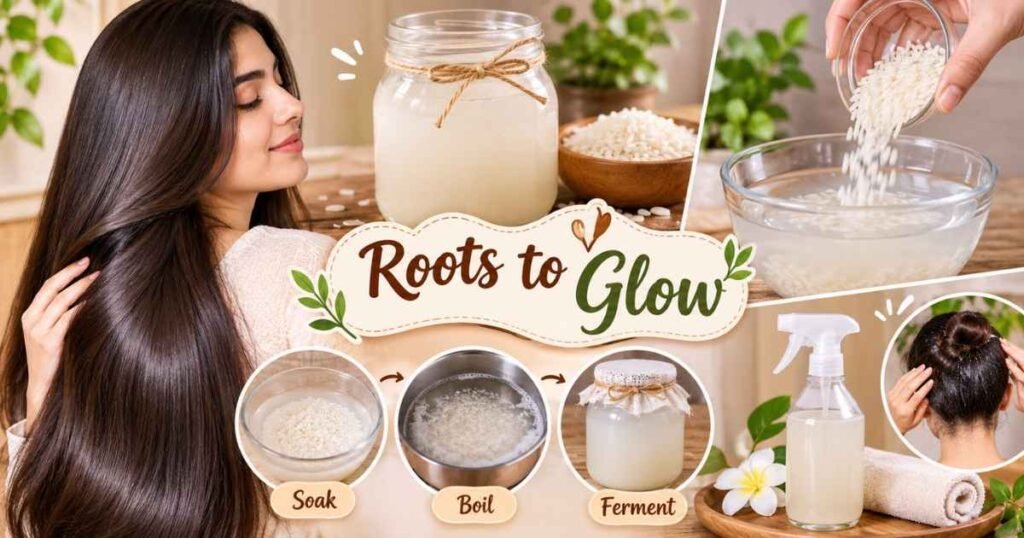
How to Use Rice Water for Hair? Making homemade rice water for hair doesn’t require special equipment or expensive ingredients. You only need rice, clean water, and a container.
There are three popular preparation methods. Each produces a slightly different liquid.
Method 1: Soaking Rice Water
This method works especially well for beginners because it’s quick and straightforward.
Ingredients:
- ½ cup uncooked rice
- 2 cups clean water
- One clean glass container
- A strainer
Instructions:
- Place uncooked rice inside a clean bowl.
- Rinse it briefly to remove surface dirt.
- Add two cups of fresh water.
- Stir gently for two to three minutes.
- Let the rice soak for approximately 30 minutes.
- Strain the cloudy liquid into a clean container.
- Transfer the rice water into a refrigerator-safe bottle.
Your homemade rice water is ready to use.
Method 2: Boiling Rice Water
Boiling creates a more concentrated liquid that you should dilute before application.
Instructions:
- Add ½ cup rice to approximately two cups of water.
- Cook the rice until the water becomes cloudy.
- Strain the liquid into a clean bowl.
- Allow it to cool completely.
- Mix it with clean water if necessary.
- Store the finished liquid in a sealed container.
If you’re wondering How to Use Rice Water for Hair at Home, Avoid applying hot rice water directly to your scalp.
Method 3: Fermented Rice Water
If you’re wondering How to Use Rice Water for Hair at Home, Fermented rice water for hair is another traditional preparation method. It develops a different smell and composition as microorganisms ferment the liquid.
Instructions:
- Prepare rice water using the soaking method.
- Pour the strained liquid into a clean glass jar.
- Cover it loosely with a clean lid.
- Leave it at room temperature for approximately 12–24 hours.
- Refrigerate it promptly after fermentation.
- Dilute it before applying it to your hair.
If you’re wondering How to Use Rice Water for Hair at Home, Fermentation can encourage unwanted microbial growth. Discard the mixture if you notice mold, unusual discoloration, or a rotten smell.
Which Preparation Method Should You Choose?
| Method | Preparation time | Best for |
| Soaking | 30 minutes | Beginners and regular use |
| Boiling | 15–20 minutes | Making concentrated rice water |
| Fermenting | 12–24 hours | People interested in traditional fermented treatments |
If you’re wondering How to Use Rice Water for Hair at Home, For your first rice water hair treatment, start with the soaking method. It’s simple, inexpensive, and easier to control.
How to Use Rice Water for Hair Step by Step
Getting the application right matters more than making an elaborate recipe. A simple routine can help you enjoy the potential conditioning benefits without overwhelming your strands.
If you’re wondering How to Use Rice Water for Hair at Home, follow these practical steps.
Step 1: Prepare Your Hair
Start by removing loose dirt, excess oil, and styling product buildup.
- Detangle your hair gently.
- Wet your hair with lukewarm water.
- Shampoo first if your hair needs cleansing.
- Avoid aggressive scrubbing.
Step 2: Prepare Your Rice Water
Use freshly prepared or properly refrigerated rice water.
- Choose plain, unsweetened rice water.
- Dilute concentrated mixtures.
- Let refrigerated rice water reach a comfortable temperature.
- Avoid mixtures containing unknown ingredients.
Step 3: Apply Rice Water Evenly
Pour the liquid into a spray bottle or applicator bottle.
Apply it gradually from your scalp toward your ends. Concentrate on the hair lengths if your scalp feels sensitive.
Step 4: Massage Gently
Use your fingertips to distribute the liquid.
- Massage your scalp lightly.
- Avoid scratching with your fingernails.
- Work the liquid through tangled sections carefully.
- Don’t pull or twist fragile strands.
Step 5: Let It Sit
Leave the treatment in your hair for approximately 5–10 minutes initially.
People with sensitive or dry hair should start with shorter application times.
Step 6: Rinse Thoroughly
Use cool or lukewarm water to remove the rice water.
Make sure you rinse your scalp and hair lengths properly. Leftover starch can create a sticky or stiff feeling.
Step 7: Apply Conditioner
Finish with a moisturizing conditioner, especially if your hair feels dry.
This final step helps restore softness and improves manageability.
A simple application schedule:
| Step | What to do |
| Before application | Detangle and wet hair |
| Preparation | Dilute rice water |
| Application | Distribute evenly |
| Treatment time | Start with 5–10 minutes |
| Rinsing | Wash thoroughly |
| Finishing | Apply conditioner |
How to Use Rice Water for Hair? The best way to use rice water for hair growth is to combine gentle treatment with consistent hair care. Remember that preventing breakage can help you retain length, even when growth speed stays unchanged.
How Often Should You Use Rice Water on Hair?
More isn’t always better when it comes to homemade hair treatments. Rice water contains starch and may leave some strands feeling coated or stiff.
When learning How to Use Rice Water for Hair, Your ideal frequency depends on your hair’s texture, condition, and tolerance.
When considering How to Use Rice Water for Hair, start slowly and observe how your strands respond.
| Hair condition | Suggested starting frequency |
| Normal hair | Once every 1–2 weeks |
| Dry hair | Once every 2–3 weeks |
| Damaged hair | Once every 2–3 weeks, if tolerated |
| Oily hair | Once every 1–2 weeks |
| Fine hair | Once every 2–3 weeks |
| Curly hair | Once every 2–3 weeks |
| Coarse hair | Once every 1–2 weeks, if tolerated |
If you’re wondering How to Use Rice Water for Hair at Home, These are conservative starting suggestions rather than medically established schedules.
Signs you’re using rice water too frequently:
- Your hair feels unusually stiff.
- Strands become rough or brittle.
- Detangling becomes more difficult.
- Your hair develops excessive buildup.
- Your scalp feels irritated or uncomfortable.
If you notice these changes, stop using rice water until your hair feels normal again.
Best Types of Rice for Making Rice Water
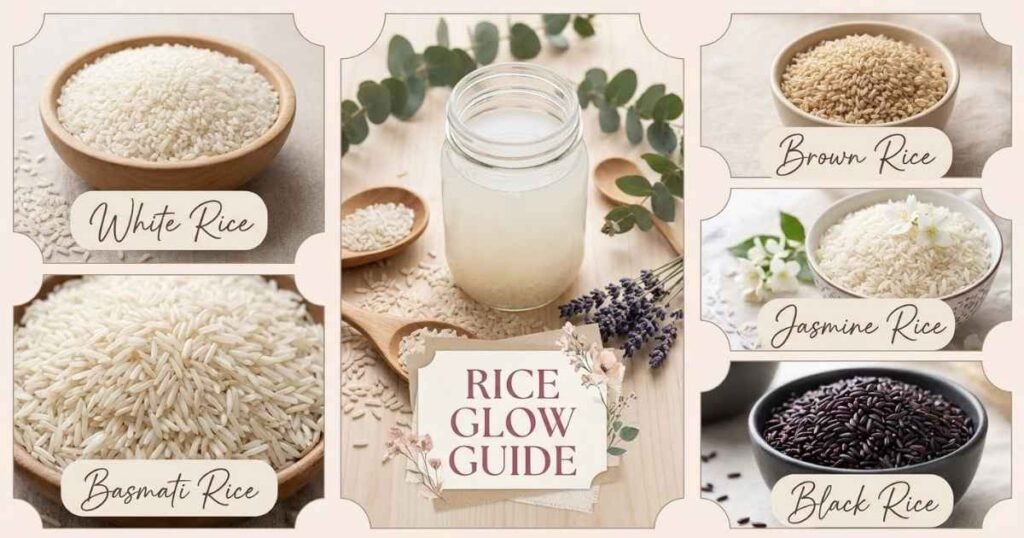
Not all rice varieties contain identical amounts of starch and plant compounds. However, you don’t need an expensive specialty product to prepare a simple rice water rinse.
How to Use Rice Water for Hair? The best rice for making rice water depends on availability and your preferred preparation method.
1. White Rice
White rice is one of the easiest options for homemade rice water.
- Widely available in American grocery stores.
- Produces cloudy, starchy soaking water.
- Works well for beginners.
- Suitable for simple homemade rinses.
2. Brown Rice
Brown rice retains more of its outer grain layers than white rice.
- Contains naturally occurring plant compounds.
- Offers another option for homemade preparations.
- May produce slightly different liquid characteristics.
3. Basmati Rice
Basmati rice has long, slender grains and a mild aroma.
- Easy to find in many supermarkets.
- Works with the soaking method.
- Provides a simple alternative to standard white rice.
4. Jasmine Rice
Jasmine rice is another accessible white rice variety.
- Produces cloudy soaking water.
- Works well for basic hair rinses.
- Has a naturally fragrant grain.
5. Black Rice
Black rice contains naturally occurring anthocyanins, which give it a darker color.
- Offers a different plant-compound profile.
- Creates darker-colored rice water.
- Works for experimental homemade preparations.
Which rice should you choose?
For most beginners, plain white rice offers the easiest starting point. Choose clean, unseasoned rice without added oils, salt, or flavorings.
Fermented Rice Water vs Regular Rice Water
Both regular and fermented rice water appear in traditional hair care routines. However, their preparation methods and characteristics differ.
Understanding the difference helps you choose a treatment that suits your preferences.
| Feature | Regular rice water | Fermented rice water |
| Preparation | Soaking or boiling | Controlled fermentation |
| Preparation time | 15–30 minutes | Approximately 12–24 hours |
| Smell | Mild or neutral | Often sour |
| Composition | Starchy liquid | Starchy liquid altered through fermentation |
| Storage | Refrigeration | Refrigeration |
| Best for | Beginners | Experienced DIY users |
| Application | Usually diluted | Dilution is especially important |
Is Fermented Rice Water Better for Hair?
When learning How to Use Rice Water for Hair, Not necessarily. Fermentation changes the liquid’s composition, but strong clinical evidence doesn’t establish that fermented rice water produces better hair growth.
Some people prefer it because of traditional preparation practices. Others find its smell unpleasant or experience scalp irritation.
Choose regular rice water if:
- You’re trying rice water for the first time.
- You prefer simple preparation.
- You have a sensitive scalp.
- You want an easier-to-manage hair rinse.
Consider fermented rice water if:
- You’re familiar with safe fermentation practices.
- You can prepare and store it hygienically.
- Your scalp tolerates it.
- You dilute it appropriately before use.
For most people, regular rice water provides a simpler starting point.
ALSO READ: 5 Effective Hair Wrap for Sleeping Methods for Better Hair
How Long Should You Leave Rice Water in Your Hair?
Timing can make a noticeable difference in how your hair feels afterward. Leaving rice water longer doesn’t automatically improve its potential benefits.
If you’re learning How to Use Rice Water for Hair, begin with a short application period.
Suggested starting times:
| Hair type or condition | Starting application time |
| Fine hair | 5 minutes |
| Normal hair | 5–10 minutes |
| Dry hair | 3–5 minutes |
| Curly hair | 5 minutes |
| Coarse hair | 5–10 minutes |
| Chemically treated hair | 3–5 minutes, if tolerated |
These times are practical starting points rather than scientifically established treatment durations.
Can You Leave Rice Water in Your Hair Overnight?
No. Overnight application isn’t necessary and may increase dryness, buildup, or irritation.
When learning How to Use Rice Water for Hair, Instead, follow a short treatment followed by thorough rinsing.
Should You Shampoo After Using Rice Water?
It depends on when you apply it.
- Before shampooing: You can shampoo afterward to remove residue.
- After shampooing: Rinse rice water thoroughly and follow with conditioner.
- If buildup develops: Use a suitable cleansing shampoo.
Do You Need to Dilute Rice Water?
Dilution is helpful, particularly when you’re using concentrated or fermented mixtures.
A simple starting ratio is:
- 1 part rice water
- 1 part clean water
Adjust the mixture according to how your hair responds.
Rice Water Rinse for Different Hair Types
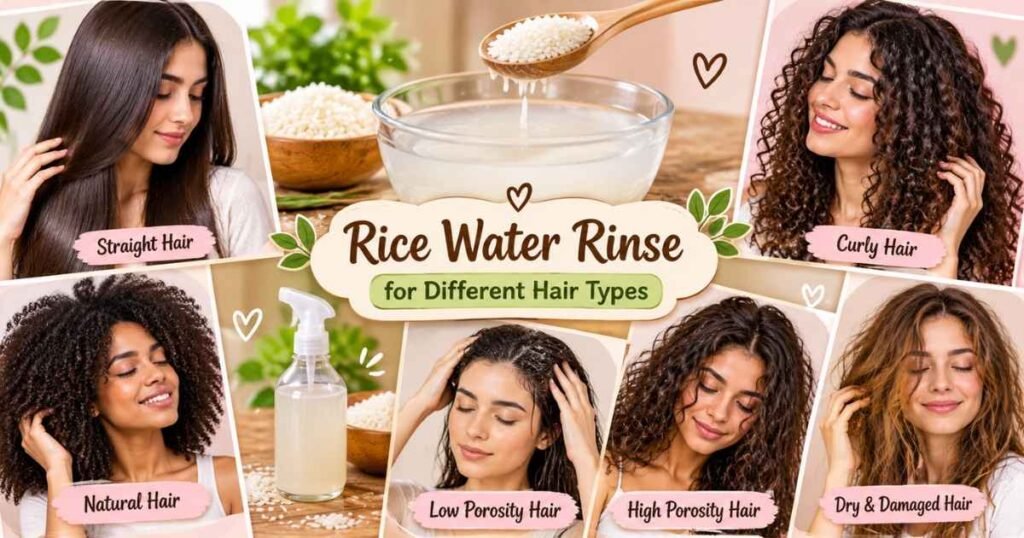
Every hair type has different needs. Fine strands may become weighed down easily while thick curls often need extra moisture.
That’s why your rice water hair care routine should reflect your texture, porosity, and overall condition.
Rice Water for Straight Hair
Straight hair often shows buildup quickly because natural scalp oils travel down the strands more easily.
Helpful tips:
- Use diluted rice water.
- Apply mainly to the lengths.
- Keep application times short.
- Follow with a lightweight conditioner.
Rice Water for Curly Hair
Curly hair often needs extra moisture because its natural oils travel less easily along curved strands.
If you’re wondering, is rice water good for curly hair? The answer depends on your hair’s individual response.
Try these tips:
- Apply diluted rice water to clean curls.
- Avoid excessive scalp application if irritation occurs.
- Rinse thoroughly.
- Follow with a moisturizing conditioner.
- Use your regular leave-in product afterward.
Rice Water for Natural Hair
Natural hair can benefit from gentle handling and consistent moisture.
A rice water rinse may fit into a natural hair care routine when your strands tolerate it.
- Apply to damp hair.
- Work in small sections.
- Avoid rough manipulation.
- Follow with a moisturizing conditioner.
- Seal moisture using your preferred styling product.
Rice Water for Low Porosity Hair
Low-porosity hair has tightly packed cuticles that make moisture absorption more challenging.
Too much rice water may create a coated feeling.
Recommended approach:
- Use a highly diluted mixture.
- Apply for only a few minutes.
- Rinse thoroughly.
- Avoid frequent protein-focused treatments.
Rice Water for High Porosity Hair
High-porosity hair often loses moisture quickly because its cuticles have more openings.
Rice water may temporarily improve how strands feel. However, it shouldn’t replace moisturizing treatments.
- Start with a weak mixture.
- Avoid repeated applications.
- Follow with a rich conditioner.
- Monitor stiffness and dryness.
Rice Water for Dry and Damaged Hair
Dry, brittle hair needs moisture and gentle handling more than frequent strengthening treatments.
When learning How to Use Rice Water for Hair, If you’re searching for a homemade rice water treatment for damaged hair, keep the formula simple.
Use a diluted rinse occasionally. Follow it with a moisturizing mask and avoid excessive heat styling.
Common Mistakes to Avoid When Using Rice Water
Rice water sounds simple, but a few mistakes can turn an enjoyable treatment into an uncomfortable experience.
When practicing How to Use Rice Water for Hair, avoid these common problems.
1. Using Rice Water Too Frequently
Frequent applications can leave some hair types feeling stiff or coated.
Start with occasional use and adjust according to your results.
2. Applying Undiluted Concentrated Rice Water
Strong mixtures may leave excessive starch on your strands.
Dilute concentrated rice water before applying it.
3. Leaving It Overnight
Longer application doesn’t guarantee better results.
Keep your first treatments short and rinse thoroughly.
4. Skipping Conditioner
Rice water doesn’t replace a proper moisturizing conditioner.
Always finish with a suitable conditioning product if your hair needs additional softness.
5. Storing Rice Water Incorrectly
Homemade mixtures can spoil when you leave them at room temperature for extended periods.
Refrigerate fresh rice water promptly and discard questionable batches.
6. Ignoring Hair Porosity
Low- and high-porosity hair can respond differently to the same treatment.
Adjust your application frequency instead of following someone else’s routine blindly.
7. Expecting Instant Hair Growth
Rice water isn’t a scientifically proven treatment for faster hair growth.
Focus on reducing breakage and maintaining a healthy scalp.
8. Using Rice Water on an Irritated Scalp
An already irritated scalp may react poorly to homemade mixtures.
Avoid application if you have itching, inflammation, or open skin.
9. Skipping a Patch Test
Natural ingredients can still trigger unwanted reactions.
Test a small amount on your skin before applying it widely.
10. Using Spoiled Rice Water
An unpleasant smell, visible mold, or unusual discoloration indicates that you should discard the mixture.
Fresh preparation and clean storage matter.
Potential Side Effects of Rice Water for Hair
Although rice water is a popular homemade treatment, it doesn’t suit everyone. Some people experience dryness, stiffness, buildup, or scalp irritation.
When learning How to Use Rice Water for Hair, Understanding potential rice water hair treatment side effects helps you use this ingredient more carefully.
Possible side effects include:
| Side effect | Why it may happen | What to do |
| Dryness | Excessive use or inadequate conditioning | Reduce frequency and moisturize |
| Stiff hair | Starch buildup or poor tolerance | Dilute and rinse thoroughly |
| Rough texture | Repeated treatments without enough moisture | Pause treatment and condition |
| Scalp irritation | Individual sensitivity or contamination | Stop using the mixture |
| Buildup | Residue left on strands | Rinse thoroughly and cleanse |
| Unpleasant odor | Improper storage or spoilage | Discard the mixture |
Can Rice Water Cause Hair Breakage?
Yes, it may contribute to breakage indirectly in some situations.
For example, excessive use can leave certain strands feeling stiff and difficult to manage. Rough detangling can then increase mechanical stress.
However, rice water doesn’t automatically cause breakage. Your hair’s condition, treatment frequency, and response all matter.
How to Prevent Protein Overload From Rice Water
Rice water isn’t a conventional protein treatment, although it contains small amounts of amino acids.
Still, excessive use may leave some hair feeling similar to protein-related stiffness.
Follow these precautions:
- Avoid daily rice water applications.
- Don’t combine multiple strengthening treatments unnecessarily.
- Maintain a moisturizing hair care routine.
- Watch for increased stiffness or tangling.
- Stop using rice water if your hair becomes brittle.
If irritation continues or you experience unexplained hair loss, consult a dermatologist.
Tips to Get the Best Results From Rice Water

A successful rice water hair care routine doesn’t need complicated recipes or expensive accessories. Consistency, moderation, and proper conditioning make a better starting point.
Once you understand How to Use Rice Water for Hair, these practical tips can help you maintain a balanced routine.
1. Choose Fresh Ingredients
Use clean, plain rice and fresh water. Avoid ingredients containing unnecessary additives or strong fragrances.
2. Start With a Diluted Formula
A mild mixture gives you more control over the treatment.
Try equal parts rice water and clean water initially.
3. Follow With Moisture
Conditioner helps improve softness and manageability after rinsing.
Choose a product that matches your hair’s texture and needs.
4. Maintain a Consistent Schedule
Avoid changing your routine every few days.
Give your hair time to show how it responds before increasing application frequency.
5. Protect Your Hair From Heat
Excessive heat can weaken strands and increase dryness.
Use heat protectant products and limit unnecessary hot-tool styling.
6. Handle Wet Hair Carefully
Wet strands can stretch and become more vulnerable to mechanical damage.
Use a wide-tooth comb and detangle gently from the ends upward.
7. Keep Your Scalp Clean
Healthy hair care starts with a comfortable scalp environment.
Wash away excess oil, sweat, and product buildup using a suitable shampoo.
8. Track Your Hair’s Progress
Rice water before and after results can vary considerably.
Take occasional pictures under similar lighting to compare:
- Hair softness
- Shine and smoothness
- Detangling ease
- Visible breakage
- Overall manageability
9. Adjust Your Routine for Seasonal Changes
Cold weather, indoor heating, and dry air can affect hair moisture.
During colder months, prioritize conditioning and reduce treatments if your strands feel dry.
10. Combine Rice Water With Healthy Hair Habits
A homemade treatment works best as one small part of a broader routine.
For healthier-looking hair:
- Eat a balanced diet with sufficient protein.
- Protect your hair from excessive sunlight.
- Avoid tight hairstyles that pull on roots.
- Trim damaged ends when necessary.
- Choose gentle shampoos and conditioners.
- Maintain regular scalp cleansing.
Ultimately, How to Use Rice Water for Hair isn’t about applying as much as possible. It’s about finding a gentle routine that complements your hair’s actual needs.
FAQ’s
Does Rice Water Really Help Hair Growth?
Rice water may reduce friction and breakage, but How to Use Rice Water for Hair doesn’t guarantee faster growth.
How Often Should You Apply Rice Water?
Start every two weeks and adjust How to Use Rice Water for Hair according to your hair’s response.
Can Rice Water Make Hair Thicker?
Rice water may improve texture temporarily, while How to Use Rice Water for Hair supports better manageability.
Is Fermented Rice Water Better Than Regular Rice Water?
Not necessarily; How to Use Rice Water for Hair effectively depends more on preparation and individual hair tolerance.
Can You Leave Rice Water in Your Hair Overnight?
No, avoid overnight application because How to Use Rice Water for Hair works best with short treatments and thorough rinsing.
Conclusion
Adding rice water to your beauty routine can be a simple way to improve hair manageability. Understanding How to Use Rice Water for Hair helps you prepare suitable treatments without complicated ingredients. A properly diluted rice water hair treatment may temporarily improve smoothness and reduce friction during detangling. You can choose regular or fermented rice water depending on your preferences and hair needs. However, excessive applications may leave certain strands feeling stiff or dry.
Pair your treatment with moisturizing conditioners to maintain softness and flexibility. A consistent rice water hair care routine should also include gentle cleansing and careful styling. Remember that How to Use Rice Water for Hair isn’t about promising overnight growth or dramatic transformations. Instead, focus on protecting your existing length and maintaining healthy-looking strands. Start with occasional applications, observe your results, and adjust your routine accordingly.

HairVist is a helpful destination for hair care tips, hairstyle ideas, and beauty inspiration, managed by Ava Reynolds, an SEO content writer with 2 years of experience, focused on creating simple, useful, and engaging content that helps readers learn more about hair care and styling.
1 thought on “How to Use Rice Water for Hair: 10 Benefits, Preparation, and Step-by-Step Guide”